For over long years, we have diligently conducted independent research and product testing. When you make a purchase through our links, we may earn a commission.
Discover the Incredible Benefits of Cycling for Stronger Glutes

Created: 3 weeks ago
81 min Read
🚴♀️**Does cycling build glutes?**🍑
As an SEO expert, I am here to provide you with informative content about the topic of "does cycling build glutes." Cycling has become increasingly popular as a form of exercise for individuals seeking to improve their overall fitness and sculpt their lower body. In this blog post, we will explore the benefits of cycling for glute development, discuss the muscles engaged during cycling, and provide tips on how to maximize your glute gains through cycling.
Understanding the Muscles Engaged During Cycling
Cycling primarily targets the lower body muscles, including the quadriceps, hamstrings, calves, and gluteal muscles. While the quadriceps and hamstrings play a crucial role in pedal propulsion, the gluteal muscles, specifically the gluteus maximus, gluteus medius, and gluteus minimus, also contribute significantly to the cycling motion.
Benefits of Cycling for Glute Development
-
🍑 Activation of Gluteus Maximus: When cycling, the gluteus maximus is responsible for extending the hips during the downward pedal stroke, providing strength and power to the movement. This repeated action helps to build and tone the gluteal muscles.
-
🍑 Engagement of Gluteus Medius and Minimus: The gluteus medius and minimus are also engaged during cycling, as they help stabilize the pelvis and maintain proper alignment throughout the pedal stroke. This contributes to overall gluteal strength and stability.
-
🍑 Endurance and Lean Muscle Development: Regular cycling sessions can increase both the endurance and strength of the gluteal muscles. This can lead to improved muscle definition, reduced body fat, and a more sculpted appearance.
Maximizing Glute Gains Through Cycling
To optimize your glute gains while cycling, consider the following tips:
-
Resistance Training: Incorporate complementary resistance exercises into your fitness routine to further target and strengthen your gluteal muscles. Squats, lunges, and deadlifts are all excellent choices.
-
Interval Training: Alternate between periods of higher intensity cycling, such as sprints or hill climbs, and lower intensity recovery periods. This can help increase the challenge on your gluteal muscles and promote muscle growth.
-
Variety in Terrain: Seek out diverse cycling routes that include hilly terrain and varying degrees of resistance. This will engage your gluteal muscles in different ways and add an extra challenge to your workout.
-
Proper Bike Fit: Ensure that your bike is properly fitted to your body to optimize biomechanics and prevent potential muscle imbalances. Consult with a professional bike fitter if needed.
Conclusion
In conclusion, cycling can be an effective way to build and tone your gluteal muscles while enjoying the benefits of cardiovascular exercise. By engaging the gluteus maximus, gluteus medius, and gluteus minimus, cycling contributes to overall lower body strength, endurance, and muscle definition. Incorporating resistance training, interval training, varying terrain, and proper bike fit into your cycling routine can help maximize your glute gains. So, hop on your bike and pedal your way to stronger glutes! 🚴♀️💪🍑
🏋️♀️ Introduction: Strengthening Glutes for Cycling Performance
When it comes to cycling performance, having strong gluteal muscles is essential. The glutes, consisting of the gluteus maximus, gluteus medius, and gluteus minimus, play a crucial role in generating power and stabilizing the hips while cycling. So, let's explore the question, "Does cycling build glutes?" and understand how strengthening these key muscles can enhance your cycling performance.
Understanding the Role of Gluteal Muscles in Cycling
✅ The gluteus maximus, the largest muscle in the gluteal region, is responsible for hip extension and plays a vital role in generating power during the downstroke of each pedal revolution. Strong gluteus maximus muscles contribute to improved cycling efficiency, speed, and power output.
✅ The gluteus medius and gluteus minimus, located on the sides of the pelvis, are responsible for hip abduction and joint stability. These muscles help maintain proper alignment of the pelvis and prevent excessive lateral movement, thereby increasing pedal efficiency and reducing the risk of injury.
How Cycling Can Strengthen Gluteal Muscles
🚴♀️ Cycling, as a repetitive and resistance-based exercise, engages the gluteal muscles throughout the entire pedal stroke. While it may not be as targeted as isolated glute exercises, such as squats or lunges, cycling can still contribute significantly to gluteal muscle development. Here's how:
-
✅ Glute Activation: The act of pedaling requires constant activation of the gluteal muscles to stabilize the hips and generate power. This repetitive motion strengthens the glutes and helps promote muscle growth over time.
-
✅ Climbing: When cycling uphill or on an incline, the gluteal muscles are engaged more intensely to overcome resistance. This increased effort places a greater demand on the glutes, leading to their strengthening and development.
-
✅ Sprints and Interval Training: Incorporating sprints or intervals of higher intensity into your cycling routine enhances gluteal muscle activation. These bursts of high-intensity effort engage the glutes more intensely, promoting muscle growth and strength.
-
✅ Endurance Rides: Long-distance cycling requires continuous pedaling, which puts a constant demand on the gluteal muscles. This sustained effort helps in developing and strengthening the glutes over time.
Complementing Cycling with Strength Training Exercises
💪 While cycling can contribute to gluteal muscle development, incorporating some targeted strength exercises can further enhance their strength and tone. Consider adding the following exercises to your routine:
-
🏋️♀️ Squats: Squats are a fantastic compound exercise that targets the gluteal muscles along with the quads and hamstrings. They help build overall lower body strength and directly target the gluteal muscles.
-
🏋️♀️ Lunges: Lunges are excellent for targeting the gluteus medius while also working the quads and hamstrings. They help improve stability and balance, which are crucial for cycling.
-
🏋️♀️ Hip Thrusts: Hip thrusts are a highly effective exercise for isolating and activating the gluteus maximus. By driving the hips forward, they mimic the hip extension motion used in cycling, making them a great exercise to complement your cycling routine.
Conclusion
📝 While cycling alone can help strengthen and develop gluteal muscles, combining it with targeted strength training exercises can further enhance their strength and tone. So, the answer to the question, "Does cycling build glutes?" is a resounding yes! By incorporating cycling into your fitness routine and complementing it with targeted exercises, you can strengthen your glutes and improve your overall cycling performance. So get on your bike, feel the burn in those glutes, and enjoy the benefits of stronger cycling muscles!
🏋️♀️ Why Strong Glutes are Important for Cycling Efficiency 💪🚴♀️
When it comes to cycling efficiency, strong glutes play a vital role in optimizing your performance on the bike. The gluteal muscles, consisting of the gluteus maximus, gluteus medius, and gluteus minimus, are some of the largest and most powerful muscles in the body. Having well-developed glutes can improve your overall cycling experience in several ways, including power output, endurance, and injury prevention.
Power Output
One of the key benefits of having strong glutes for cycling is the increased power output. The gluteus maximus, in particular, is responsible for hip extension, which is essential for generating power during the pedal stroke. When your glutes are strong, they can contract more forcefully, allowing you to generate more force against the pedals and propel yourself forward with greater efficiency.
Endurance
Strong glutes also contribute to improved cycling endurance. As the largest muscle in the body, the gluteus maximus has a significant impact on overall lower body strength and stamina. When your glutes are strong, they can sustain prolonged efforts on the bike, preventing fatigue and helping you maintain a steady pace for longer periods. This is particularly beneficial for long-distance or endurance cycling events.
Injury Prevention
In addition to enhancing performance, strong glutes also play a crucial role in injury prevention. Imbalances or weaknesses in the gluteal muscles can lead to a variety of issues, such as knee pain, lower back pain, and hip instability. By regularly incorporating exercises that target the glutes into your training routine, you can strengthen these muscles and improve their stability, reducing the risk of common overuse injuries associated with cycling.
Building Strong Glutes through Cycling
Now that we understand the importance of strong glutes for cycling efficiency, let's explore how cycling itself can help build and strengthen these muscles.
When you pedal on a bike, the gluteal muscles are engaged throughout the entire pedal stroke. The downward phase of the pedal stroke, known as the power phase, relies heavily on the gluteus maximus for hip extension. This repetitive motion helps to activate and develop the glutes over time.
To maximize gluteal engagement during cycling:
-
Focus on the Upstroke: While the downward phase of the pedal stroke primarily engages the gluteus maximus, focusing on pulling up on the pedals during the upstroke can further activate the gluteus medius and minimus. This ensures that all aspects of the gluteal muscles are working together to provide optimal power and stability.
-
Increase Resistance: Riding on flat terrain can be a great cardiovascular workout, but to really challenge your gluteal muscles, consider incorporating hills or using a higher resistance on your stationary bike. The added resistance requires your glutes to work harder, leading to increased strength and development.
-
Sprint Intervals: High-intensity sprint intervals are another effective method for building strong glutes through cycling. These bursts of maximum effort not only elevate your heart rate but also force your gluteal muscles to work at their maximum capacity. Incorporate short, intense sprints into your cycling routine to really target and challenge your glutes.
Conclusion
In conclusion, having strong glutes is essential for optimizing cycling efficiency and performance. Strong glutes contribute to increased power output, improved endurance, and reduced risk of injuries. By regularly engaging your gluteal muscles through cycling and incorporating targeted exercises into your training routine, you can build and strengthen your glutes, leading to enhanced cycling performance and a smoother ride. So, keep pedaling and let your glutes do the work! 🚴♀️💪🍑
Cycling is not only a great cardiovascular activity but also has numerous physical benefits, including toning and shaping your glutes. Let's dive into how cycling can help you achieve your glute goals.
1. Building Muscle Strength
One of the primary benefits of cycling is its ability to build muscle strength, particularly in the glutes. As you push down on the pedals, your gluteal muscles contract to generate power and propel you forward. This repetitive motion effectively targets and engages the glutes, helping to build strength and definition over time.
2. Targeting the Gluteus Maximus
The gluteus maximus is the largest muscle in the gluteal group and plays a key role in cycling. It is responsible for hip extension, which occurs when moving your leg backward during the pedal stroke. This muscle is heavily recruited during cycling, making it an effective way to target and strengthen the glutes.
3. Activating the Gluteus Medius
Another important muscle involved in cycling is the gluteus medius. This muscle is located on the outer side of your hips and plays a crucial role in stabilizing your pelvis during the pedal stroke. By activating and strengthening the gluteus medius through cycling, you can improve your overall stability and reduce the risk of injuries.
4. Sculpting and Toning
Cycling regularly can help tone and shape your glutes, giving them a more defined appearance. As you continue to engage your gluteal muscles during each cycling session, you'll notice an increase in muscle mass and a reduction in body fat. This combination contributes to a sculpted and toned look in the glute area.
5. Enhancing Endurance
In addition to toning and shaping, cycling also helps to improve endurance in the gluteal muscles. By consistently challenging these muscles during longer rides or uphill climbs, you'll increase their stamina, allowing you to cycle for longer periods without fatiguing. This enhanced endurance translates to improved overall performance on the bike.
Conclusion
So, to answer the question "does cycling build glutes?" -- absolutely! Cycling is an effective way to strengthen, sculpt, and tone your gluteal muscles. By incorporating cycling into your fitness routine, you can target the glutes, specifically the gluteus maximus and gluteus medius, to build strength, enhance endurance, and achieve the desired shape. Don't forget to mix up your cycling workouts with interval training and incorporate resistance exercises to maximize your glute-building potential. Get on your bike and start pedaling your way to stronger, more toned glutes! 🚴♀️🍑
🚴♀️Introduction: The Popularity of Cycling and Its Impact on Fitness🌟
Cycling has gained immense popularity as a form of exercise and transportation, with more and more people taking to the saddle to improve their fitness levels. Not only does cycling provide numerous cardiovascular benefits, but it also targets various muscles in the body. One common question that arises among fitness enthusiasts is, "does cycling build glutes?" In this blog post, we will delve into the impact of cycling on glute development and explore how this activity can contribute to building strong and toned gluteal muscles.
The Benefits of Cycling for Glute Development 💪
Cycling and Glute Activation: During cycling, the gluteal muscles play a crucial role in generating power and propelling the body forward. The glutes, including the gluteus maximus, gluteus medius, and gluteus minimus, are engaged when you push down on the pedals, utilizing your hip extension and abduction capabilities. This consistent activation of the glutes during cycling can contribute to muscle growth and development.
Improving Glute Strength and Tone: Regular cycling can yield significant benefits for glute strength and tone. As you cycle, the gluteal muscles are continually contracting and working to propel you forward. Over time, this repetitive action can lead to increased muscle mass and improved tone in the glutes.
Enhancing Endurance and Stamina: Cycling is an excellent aerobic exercise that engages various muscle groups, including the glutes. As you build stamina and endurance through consistent cycling, your glutes will be challenged to withstand prolonged periods of effort, leading to greater overall strength and muscular endurance.
Maximizing Glute Gains Through Cycling 🚴♀️
Vary Your Cycling Intensity: To enhance gluteal development, it is important to vary your cycling intensity. Incorporate both high-intensity intervals and steady-state rides into your routine. The high-intensity intervals, such as sprints or hill climbs, will specifically target your gluteal muscles, while steady-state rides can contribute to endurance and overall conditioning.
Incorporate Hill Climbs: Climbing hills is an excellent way to engage your glutes and further challenge your lower body muscles. The resistance created by uphill cycling forces you to recruit more muscle fibers, including the glutes, to overcome gravity and propel yourself upward. This can be a highly effective method for building strength and muscle definition in the glutes.
Consider Resistance Training: While cycling alone can contribute to glute development, incorporating resistance training into your fitness routine can further enhance your results. Exercises such as squats, lunges, and hip thrusts can complement your cycling efforts by targeting the gluteal muscles from different angles and providing additional overload for muscle growth.
Proper Bike Fit: Ensuring that your bike is properly set up and fits your body dimensions is crucial for optimizing glute engagement and preventing injuries. A bike that is too big or small can lead to poor biomechanics and decreased activation of the gluteal muscles. Seek professional guidance to ensure your bike fit is appropriate for your body.
Conclusion 🏁
In conclusion, cycling can indeed build and strengthen glutes. Through the consistent engagement of the gluteal muscles during cycling, you can expect to experience improvements in both strength and tone. By incorporating various training strategies, such as varying intensity, incorporating hill climbs, and adding resistance exercises, you can maximize your glute gains through cycling. So, hop on your bike, enjoy the many benefits of cycling, and watch your glutes transform into powerful assets! 🚴♀️💪🍑
Cycling is a fantastic form of exercise that offers numerous benefits for both physical fitness and mental well-being. One question that often arises is, "🚲 Does cycling build glutes? 🍑" Many individuals are curious to know if cycling can effectively target and strengthen the gluteal muscles. In this blog post, we will delve into the role of the glutes in cycling and highlight their importance for overall strength and performance.
The gluteal muscles, which include the gluteus maximus, gluteus medius, and gluteus minimus, play a vital role in generating power and stabilizing the hips during the cycling motion. Research has shown that the gluteus maximus, in particular, is highly activated during cycling, making it a key contributor to the pedaling motion. This large muscle group extends the hips and provides the force necessary to propel the bike forward.
While cycling does engage the gluteal muscles, it is important to recognize that the level of gluteal activation can vary depending on factors such as cadence, resistance, and form. Proper technique and positioning are crucial for maximizing gluteal engagement during cycling. When cycling, it is important to keep your hips level and engage your glutes actively throughout the pedal stroke.
In addition to their role in generating power, the gluteal muscles also contribute to overall stability and balance during cycling. The gluteus medius and minimus, located on the side of the hips, help maintain proper alignment and prevent excessive side-to-side movement. These muscles are particularly important when cycling on uneven terrain or during high-intensity efforts.
Now, let's address the question at hand: does cycling build glutes? The answer is a resounding yes. Regular cycling can lead to increased gluteal strength, endurance, and muscle tone. However, it is important to note that cycling alone may not be sufficient for significant muscle growth or hypertrophy. To truly maximize your gluteal development, incorporating additional glute-focused exercises and resistance training into your fitness routine can be beneficial.
By combining cycling with exercises such as squats, lunges, hip thrusts, and glute bridges, you can effectively target and strengthen the gluteal muscles from various angles. These exercises can help to further activate and challenge the glutes, leading to improved muscular development and overall strength.
To summarize, cycling does indeed build glutes. The gluteal muscles are actively engaged during cycling, contributing to power generation, stability, and overall strength. While cycling alone can improve gluteal strength and endurance, incorporating targeted glute exercises and resistance training can further enhance your gluteal development. So, hop on your bike, mix in some glute-focused exercises, and pedal your way to stronger, more sculpted glutes! 🚴♀️💪🍑
Cycling is not only a fun and enjoyable outdoor activity but it also offers numerous benefits for the body, including building strong and toned glutes. Many people wonder, "does cycling build glutes?" The answer is a resounding yes! Cycling is an excellent form of exercise that engages the gluteal muscles and helps to strengthen and tone them over time.
When you pedal while cycling, the gluteal muscles, including the gluteus maximus, gluteus medius, and gluteus minimus, are actively engaged. The gluteus maximus, which is the largest muscle in the buttocks, is particularly involved in the movement. As you push down on the pedals, the gluteus maximus contracts to extend your hip, providing power and strength to the pedal stroke. This repetitive action helps to build and strengthen these muscles, resulting in improved overall gluteal strength and definition.
Furthermore, cycling also activates the gluteus medius and gluteus minimus. These smaller muscles help to stabilize the pelvis and maintain proper alignment during the pedal stroke. By consistently engaging these muscles during cycling, you can improve their endurance and promote an overall balanced development of the gluteal muscles.
In addition to building muscle, cycling also helps in burning calories and reducing body fat. Regular cycling sessions can contribute to overall weight loss and a decrease in excess fat, which can further enhance the appearance of the glutes. However, it's important to note that spot reduction is not possible, and fat loss occurs throughout the body, not just in specific areas. Therefore, combining regular cycling with a balanced diet and other forms of exercise can support overall body fat reduction and reveal your toned glutes.
To maximize the benefits of cycling for glute development, there are a few things to keep in mind. First, consider incorporating resistance training exercises that specifically target the glutes into your fitness routine. Squats, lunges, and hip thrusts are examples of exercises that can complement your cycling workouts and further strengthen and sculpt your gluteal muscles.
Interval training is also a great way to challenge your glutes during cycling. Alternating between periods of high intensity, such as sprints or hill climbs, and lower intensity recovery periods can activate your glutes to a greater extent and promote muscle growth. Varying your cycling routes to include different terrains, such as hills or inclines, can also add variety and challenge the glute muscles in different ways.
Finally, ensure that your bike is properly fitted to your body. This will optimize your biomechanics and prevent potential muscle imbalances. A professional bike fitting can help you adjust the seat height, handlebar position, and other factors to ensure a comfortable and efficient cycling experience.
In conclusion, cycling is an effective way to build and strengthen your gluteal muscles. Through consistent and challenging rides, you can sculpt and tone your glutes while enjoying the benefits of cardiovascular exercise. Incorporating resistance training, interval training, and proper bike fit can further enhance your glute gains. So, hop on your bike, pedal away, and let cycling help you achieve strong and beautiful glutes.
Cycling is a fantastic form of exercise that can help improve muscle tone and definition in the gluteal area. So, let's answer the burning question: does cycling build glutes? 🍑
When you hop on a bike and start pedaling, you're engaging a variety of muscles, including the gluteal muscles. The gluteus maximus, gluteus medius, and gluteus minimus all come into play during cycling, making it an excellent workout for your derriere. 💪
The gluteus maximus, the largest of the three gluteal muscles, works hard during cycling to extend the hips during the downward pedal stroke. This action helps build strength and power in your glutes, contributing to better muscle definition. 🔥
But it's not just the gluteus maximus that benefits from cycling. The gluteus medius and gluteus minimus are also engaged to a certain extent. These muscles are responsible for stabilizing the pelvis and maintaining proper alignment while you pedal. By working on these smaller gluteal muscles, cycling helps improve overall gluteal strength and stability. 💯
Regular cycling sessions can lead to both increased endurance and lean muscle development in the gluteal area. As you challenge your muscles with each pedal stroke, you're promoting muscle growth and toning. The repetitive motion of cycling helps to sculpt and shape your glutes, giving them a firmer and more defined appearance. 🚴♀️
To maximize your glute gains through cycling, it's important to incorporate a few key strategies into your routine:
-
Resistance Training: While cycling alone can help build your glutes, combining it with resistance exercises like squats, lunges, and deadlifts can provide an extra boost. These exercises specifically target the gluteal muscles, helping to further strengthen and define them.
-
Interval Training: Incorporate high-intensity intervals into your cycling workouts to challenge your gluteal muscles even more. Alternate between periods of intense effort and active recovery, pushing yourself to pedal faster or tackle steep inclines. This variation in intensity will help build strength and endurance in your glutes.
-
Variety in Terrain: Seek out a variety of cycling routes that include different terrains. Cycling on flat surfaces, uphill, and downhill will engage your gluteal muscles in different ways, providing a well-rounded workout.
-
Proper Bike Fit: Ensure your bike is properly fitted to your body to optimize your cycling form and prevent muscle imbalances. A bike that fits you well will allow for better recruitment of the gluteal muscles and enhance your overall cycling performance.
So, if you're wondering if cycling can build your glutes, the answer is a resounding yes! By regularly incorporating cycling into your exercise routine and following the strategies mentioned above, you can strengthen, tone, and define those glutes while enjoying the many benefits cycling has to offer. Get on your bike and start pedaling towards stronger glutes today! 🍑🚴♀️💪
🚴♀️ Cycling for Weight Loss and Its Impact on Gluteal Muscles 🍑
When it comes to weight loss, cycling is a highly effective and enjoyable exercise option. Not only does it help to burn calories and shed unwanted pounds, but it also has a significant impact on the development and strengthening of the gluteal muscles. In this blog post, we will explore the relationship between cycling, weight loss, and gluteal muscle development, and provide tips on how to maximize your results.
The Calorie-Burning Benefits of Cycling
Cycling is a fantastic cardiovascular exercise that can greatly contribute to weight loss. Depending on factors such as intensity, duration, and body weight, cycling can burn a significant amount of calories. Studies have shown that an hour of moderate cycling can burn anywhere from 400 to 600 calories. This calorie deficit is essential for weight loss as it helps to create an energy imbalance, forcing the body to utilize stored fat as a source of fuel.
Impact on Gluteal Muscles
Now, let's dive into the impact of cycling on the gluteal muscles. Cycling is primarily a lower body exercise that heavily engages the gluteal muscles, including the gluteus maximus, gluteus medius, and gluteus minimus. These muscles play a crucial role in pedaling motion, contracting to propel the legs forward and generate power. As a result, regular cycling helps to strengthen and tone the gluteal muscles, leading to enhanced muscle definition and increased strength.
Maximizing Your Results
Here are some tips to maximize your weight loss and gluteal muscle development through cycling:
-
🍑 Increase Intensity: To challenge your glutes and maximize calorie burn, incorporate high-intensity interval training (HIIT) into your cycling routine. This involves alternating between periods of intense effort and recovery.
-
🍑 Climb Uphill: Cycling uphill naturally increases the resistance on your gluteal muscles, making them work harder. Seek out routes with inclines or use stationary bikes with adjustable resistance settings to simulate uphill climbs.
-
🍑 Mix Up Your Terrain: Vary your cycling routes to include different terrains such as flat roads, hills, and off-road trails. This will engage your glutes in different ways and provide a well-rounded workout.
-
🍑 Incorporate Strength Training: While cycling primarily targets the lower body, incorporating strength training exercises such as squats, lunges, and hip thrusts can further enhance gluteal muscle development.
-
🍑 Fuel Your Body Properly: To support weight loss and muscle development, ensure that you are consuming a balanced and nutritious diet. Opt for whole foods, lean proteins, and plenty of fruits and vegetables to fuel your cycling sessions and aid in muscle recovery.
Conclusion
In conclusion, cycling is not only an effective exercise for weight loss but also a great way to strengthen and tone your gluteal muscles. By consistently cycling at a moderate to high intensity, you can create a calorie deficit, resulting in weight loss while simultaneously working your glutes. Remember to vary your terrain, incorporate strength training, and fuel your body properly to maximize your results. So, hop on your bike, pedal away, and watch those pounds melt away while sculpting the glutes you desire! 🚴♀️💪🍑
Cycling is not only a great exercise for building and toning the gluteal muscles, but it is also a low-impact workout that reduces strain on the glutes. This makes cycling an excellent choice for individuals with sensitive or injured glutes. Unlike high-impact activities like running or jumping, cycling provides a smooth and controlled motion that minimizes excessive stress on the gluteal muscles.
🔎 Does cycling build glutes?
Cycling is a highly effective exercise for building and strengthening the gluteal muscles. When you pedal, the gluteus maximus, gluteus medius, and gluteus minimus are engaged to extend and flex the hips. This repeated motion works the glutes and helps develop muscle strength, endurance, and definition.
🚴♀️ Benefits of Cycling for Glute Development
One of the main benefits of cycling for glute development is that it allows you to target and activate the glutes without putting excessive strain on the muscles and joints. The low-impact nature of cycling makes it an ideal exercise for individuals with gluteal injuries or those looking for a less stressful workout option.
💪 Engagement of Gluteal Muscles During Cycling
Cycling engages not only the gluteal muscles but also other lower body muscles such as the quadriceps, hamstrings, and calves. The gluteus maximus, being the largest muscle in the gluteal group, plays a significant role in the pedal stroke, providing power and propulsion. The gluteus medius and minimus, on the other hand, help stabilize the pelvis during the cycling motion.
👉 How Cycling Reduces Strain on the Glutes
Because cycling is a low-impact exercise, it reduces the strain on the gluteal muscles compared to high-impact activities like running. When you cycle, your body weight is supported by the bike and the seat, which helps to distribute the load and minimize the impact on the glutes. This makes cycling an excellent option for individuals recovering from gluteal injuries or those who want to avoid excessive strain on the muscles.
⚙️ Maximizing Glute Gains with Cycling
To maximize your glute gains through cycling, consider incorporating the following tips into your routine:
-
Vary Your Intensity - Alternate between high-intensity intervals and moderate or low-intensity periods during your cycling workouts. This variation will challenge the gluteal muscles in different ways and promote muscle growth.
-
Incorporate Hill Climbs - Seek out routes with inclines or simulate hill climbs on a stationary bike. This will engage the glutes more intensely, providing an extra challenge and helping to build strength in the muscles.
-
Focus on Form and Technique - Ensure that you have proper cycling form and technique to effectively engage and activate the gluteal muscles. This includes maintaining a strong core, driving through the pedals using your glutes, and avoiding excessive reliance on the quads.
-
Add Strength Training - Supplement your cycling workouts with targeted strength training exercises for the gluteal muscles. Squats, lunges, and hip thrusts are all excellent choices to further develop and strengthen your glutes.
🏁 Conclusion
In conclusion, cycling is a fantastic exercise for building and strengthening the gluteal muscles while offering low-impact benefits. Whether you're a professional cyclist or someone looking for an effective and enjoyable way to tone your glutes, cycling can provide the results you desire. Remember to vary your intensity, incorporate hill climbs, focus on proper form, and complement your cycling workouts with strength training for maximum glute gains. So, hop on your bike and start pedaling your way to stronger, sculpted glutes! 🚴♀️💪🍑
🏥Rehabilitation and Injury Prevention: Cycling for Gluteal Muscle Recovery🚴♀️💪
When it comes to recovering from gluteal muscle injuries or preventing them altogether, cycling can be an effective rehabilitation and injury prevention tool. In this blog post, we will explore how cycling can aid in the recovery and prevention of gluteal muscle-related issues.
Recovering from Gluteal Muscle Injuries through Cycling
If you have experienced a gluteal muscle injury, such as a strain or tear, cycling can play a significant role in your rehabilitation process. Here's how:
-
Low-Impact Exercise: Cycling provides a low-impact form of exercise that minimizes stress on the gluteal muscles while still engaging and strengthening them. This can be particularly beneficial during the early stages of recovery when high-impact activities may be too intense.
-
Increased Blood Flow: When you cycle, the repetitive movement of the legs stimulates blood flow to the gluteal muscles, supplying them with oxygen and nutrients necessary for healing. This increased blood flow can help accelerate the recovery process.
-
Range of Motion: Cycling involves a full range of motion for the hips and gluteal muscles, promoting flexibility and preventing stiffness during the healing process. This can help restore normal function and prevent future injuries.
Preventing Gluteal Muscle Injuries through Cycling
In addition to aiding in recovery, cycling can also help prevent gluteal muscle injuries from occurring in the first place. Here's how:
-
Strengthening: Regular cycling helps to strengthen the gluteal muscles, making them more resilient and capable of handling the demands of physical activity. Strong gluteal muscles provide stability and support for the hips, reducing the risk of injury.
-
Cross-Training: Cycling is an excellent form of cross-training for individuals involved in other sports or activities that require gluteal muscle engagement. By incorporating cycling into your training regimen, you can improve muscular balance and reduce the risk of overuse injuries.
-
Proper Technique and Form: Cycling with proper technique and form is essential to prevent unnecessary strain on the gluteal muscles. It is important to maintain a neutral spine, engage the core, and use the proper gear ratios to ensure optimal muscle engagement and reduce the risk of injury.
Conclusion
Cycling can be a valuable tool for both gluteal muscle recovery and injury prevention. Whether you are recovering from a gluteal muscle injury or looking to prevent future issues, cycling provides a low-impact, full-range-of-motion exercise that strengthens the gluteal muscles and promotes blood flow, flexibility, and stability. Remember to always consult with a healthcare professional or physical therapist before starting any exercise program, especially if you have a pre-existing injury or condition. So, hop on your bike and pedal your way towards healthier and stronger gluteal muscles! 🚴♀️💪
Combining cycling with other exercises can be an effective strategy to maximize your gluteal strength. While cycling itself does engage the gluteal muscles, incorporating targeted exercises can provide additional stimulation and help you achieve even better results. Let's explore some exercises that can complement your cycling routine and further build your glutes.
-
Squats: Squats are a compound exercise that targets multiple muscle groups, including the glutes. With proper form, squats can effectively activate and strengthen the gluteal muscles. When performing squats, focus on pushing through your heels and maintaining a proper squatting technique to fully engage your glutes.
-
Lunges: Lunges are another excellent exercise that targets the glutes while also engaging the quadriceps and hamstrings. Forward lunges, reverse lunges, and lateral lunges all work the gluteal muscles from different angles, promoting overall strength and development.
-
Hip Thrusts: Hip thrusts specifically target the gluteus maximus and provide a powerful stimulus for gluteal growth. While lying on your back with your knees bent, lift your hips off the ground, squeezing your glutes at the top of the movement. You can add resistance by using a barbell or dumbbells across your hips.
-
Deadlifts: Deadlifts primarily target the hamstrings and lower back, but they also activate the glutes as stabilizing muscles. By incorporating deadlift variations, such as Romanian deadlifts or sumo deadlifts, into your routine, you can further strengthen your gluteal muscles.
-
Step-ups: Step-ups are a functional exercise that simulates the motion of climbing stairs. This exercise engages the glutes, quadriceps, and hamstrings. Step up onto a platform or bench, focusing on using your gluteal muscles to power the movement. Alternate legs for a more even workout.
-
Glute Bridges: Glute bridges isolate and activate the gluteal muscles while also engaging the core. Lie on your back with your knees bent and feet flat on the ground. Lift your hips off the ground, squeezing your glutes at the top. You can add resistance by placing a barbell or using resistance bands across your hips.
By incorporating these exercises into your training routine, you can target and strengthen your gluteal muscles in addition to the benefits gained from cycling. Aim to perform these exercises 2-3 times per week, focusing on proper form and gradually increasing the weight or resistance as your strength improves.
Remember, consistency is key when it comes to building gluteal strength. Be patient and give your body time to adapt and grow stronger. With a well-rounded approach that includes cycling and targeted exercises, you'll be on your way to achieving stronger, more toned glutes and enhancing your cycling performance.
Tips and Techniques for Maximizing Gluteal Engagement during Cycling
If you're looking to maximize the engagement of your gluteal muscles during cycling, here are some tips and techniques to incorporate into your cycling routine:
-
Focus on Proper Form: Pay attention to your posture and form while cycling. Engage your glutes by consciously pushing down through the pedals, utilizing the power of your gluteal muscles for each pedal stroke.
-
Incorporate Hill Climbs: Cycling uphill requires more effort from your glutes, making it an excellent way to target and strengthen these muscles. Find hilly routes to incorporate into your cycling routine or use a stationary bike with incline settings to simulate uphill climbs.
-
Interval Training: Incorporating high-intensity interval training (HIIT) into your cycling workouts can be an effective way to engage your glutes. Alternate between periods of intense pedaling and periods of active recovery to challenge your gluteal muscles and improve their strength and endurance.
-
Single-Leg Drills: Try incorporating single-leg drills into your cycling routine to specifically target each gluteal muscle individually. Pedal with one leg at a time, focusing on pushing down through the pedal and engaging your glute muscles to propel the bike forward. Alternate between legs for an effective glute workout.
-
Add Resistance: Increase the resistance on your bike, either by adjusting the gears or using a stationary bike with adjustable resistance settings. This will require your glutes to work harder and build strength and endurance.
-
Cross-Training: Strengthening your glutes through cross-training exercises can support your cycling performance. Incorporate exercises such as squats, lunges, and glute bridges into your fitness routine to further target and strengthen your gluteal muscles.
-
Proper Bike Fit: Ensuring that your bike is properly fitted to your body can optimize your biomechanics and effectively engage your gluteal muscles during cycling. Consider seeking the advice of a professional bike fitter to ensure your bike fit is optimized for glute engagement.
By implementing these tips and techniques into your cycling routine, you can maximize the engagement of your gluteal muscles and enhance your cycling performance. Remember to listen to your body, gradually increase the intensity of your workouts, and always prioritize proper form to prevent injury. So hop on your bike, put these tips into action, and enjoy the benefits of stronger and more engaged glutes while cycling! 🚴♀️💪🍑
In conclusion, embracing cycling as a tool for building stronger and healthier glutes can be a game-changer in your fitness journey. Cycling offers a low-impact yet highly effective way to target and engage the gluteal muscles, including the gluteus maximus, gluteus medius, and gluteus minimus. By regularly incorporating cycling into your fitness routine and implementing strategies like resistance training, interval training, and varied terrain, you can maximize your glute gains and achieve the sculpted, toned look you desire.
Remember, building glutes through cycling is not a quick fix, but rather a gradual process that requires consistency and dedication. Over time, you will notice improvements in your glute strength, endurance, and overall muscle definition.
So, hop on your bike, explore scenic routes, challenge yourself with interval training, and watch your glutes transform. Cycling not only offers physical benefits but also allows you to enjoy the outdoors, boost your cardiovascular health, and relieve stress. Embrace the pedal-powered journey towards stronger, healthier glutes, and let cycling take you to new heights in your fitness and wellness goals. 🚴♀️💪🍑
Introduction: The Power of Cycling for Stronger Glutes
Cycling is not only a great way to stay active and explore the outdoors, but it can also be a powerful tool for building stronger glutes. Many people wonder, "Does cycling build glutes?" In this article, we will delve into the benefits of cycling for glute development and explain why it is a fantastic exercise for sculpting and toning your gluteal muscles.
Understanding the Glute Muscles
Before we dive into the effects of cycling on the glutes, let's take a moment to understand the key muscles involved. The gluteal muscles, consisting of the gluteus maximus, gluteus medius, and gluteus minimus, are one of the largest muscle groups in the body. They play a crucial role in maintaining posture, stabilizing the pelvis, and providing power during lower body movements.
The Mechanics of Cycling and Glute Engagement
Cycling engages the gluteal muscles throughout the entire pedal stroke. During the downstroke, the gluteus maximus, the largest muscle in the gluteal group, contracts to extend the hips and generate power. Simultaneously, the gluteus medius and minimus work to stabilize the pelvis and maintain proper alignment.
Benefits of Cycling for Glute Development
Now that we understand how cycling engages the glutes, let's explore the benefits it offers for glute development:
-
Strength and Endurance: Regular cycling can strengthen and tone the gluteal muscles, improving their ability to generate power and endure prolonged exercise.
-
Muscle Activation: The cycling motion targets the gluteal muscles, activating them and promoting muscle growth over time.
-
Cardiovascular Health: Cycling is an excellent cardiovascular exercise that increases blood flow and oxygen delivery to the gluteal muscles, supporting their growth and overall health.
-
Low Impact: Unlike high-impact exercises like running, cycling is a low-impact activity that places less stress on the joints while still providing an effective glute workout.
Maximizing Glute Engagement During Cycling
To maximize your glute gains while cycling, consider the following tips:
-
Vary Your Terrain: Incorporate different terrains into your cycling routine, such as hills or inclines. This will challenge your gluteal muscles in new ways and contribute to their strength development.
-
Focus on Proper Technique: Maintain the correct cycling posture and pedal mechanics to ensure optimal glute engagement. Push down through your heel on the downstroke and focus on activating the glutes throughout each pedal rotation.
-
Interval Training: Incorporate intervals into your rides, alternating between high-intensity sprints and recovery periods. This will increase the intensity of your glute workout and enhance muscle growth.
-
Strength Training: Supplement your cycling routine with targeted strength exercises for the glutes, such as squats, lunges, and hip thrusts. This will further strengthen and tone the gluteal muscles.
Conclusion
So, does cycling build glutes? The answer is a resounding yes. Cycling is an effective form of exercise for strengthening and sculpting your gluteal muscles. With regular cycling, proper technique, and a well-rounded training approach that includes strength exercises, you can expect to see noticeable improvements in your glute development. So hop on that bike, enjoy the ride, and watch your glutes get stronger and more toned with every pedal stroke!
🏋️♀️ Strengthening and Toning: How Cycling Targets the Glute Muscles💪🚴♀️
Cycling is a fantastic form of exercise that not only improves cardiovascular health but also provides a great workout for the lower body, including the glutes. Many people wonder, "Does cycling build glutes?" The answer is a resounding yes! Cycling engages and targets the glute muscles, helping to strengthen and tone them over time.
🍑 Muscles Engaged During Cycling
When you pedal on a bike, several muscles in your lower body work together to generate power and propel you forward. The primary muscles targeted during cycling include the quadriceps, hamstrings, calves, and the glutes.
🍑 Activation of the Glutes
While cycling primarily involves the legs, the glute muscles play a significant role in the pedaling motion. The gluteus maximus, the largest muscle in the glute group, is particularly active during cycling. It works to extend the hips during the downward pedal stroke, providing power and stability.
🍑 Building Strength and Definition
Regular cycling can help build strength and definition in the glutes. When you cycle, the repeated contraction of the glute muscles leads to hypertrophy, which is the growth and development of muscle fibers. This results in stronger and more toned glutes over time.
🍑 Intensifying Your Glute Workout
If you're specifically looking to target and build your glutes through cycling, there are some strategies you can implement to intensify your workout:
-
Increase Resistance: Gradually increase the resistance on your bike, such as by cycling uphill or using a higher gear. This adds more challenge to your glute muscles and stimulates further growth.
-
Incorporate Sprints: Periods of high-intensity sprinting during your cycling session can effectively target and engage your glutes. Alternate between bursts of maximum effort and recovery periods for a thorough glute workout.
-
Interval Training: Implement interval training, which involves alternating between periods of high-intensity cycling and periods of lower intensity or rest. This technique boosts overall calorie burn and engages the glutes in different ways, promoting muscle growth.
🍑 Complementary Exercises
While cycling is an excellent way to target the glutes, incorporating complementary exercises into your fitness routine can further enhance your results. Consider adding exercises such as squats, lunges, hip thrusts, and step-ups to specifically target and strengthen the glute muscles.
🍑 Proper Form and Bike Fit
To maximize the benefits of cycling for your glutes, it's vital to maintain proper form and ensure your bike is correctly fitted to your body. A professional bike fitting can help you optimize your biomechanics and prevent potential muscle imbalances.
**So, hop on your bike and start pedaling towards stronger and more toned glutes! Remember, consistency is key, and with time, patience, and proper training strategies, cycling can indeed build and sculpt your glute muscles. Enjoy the journey and the benefits of this fantastic exercise!**💪🚴♀️🍑
Cycling is a great exercise for building endurance and can have a positive impact on glute strength. When it comes to building endurance, cycling is a top choice for many fitness enthusiasts. But does cycling really build glutes? Let's dive deeper into the subject and explore the relationship between cycling and glute strength.
Cycling is a low-impact cardiovascular exercise that primarily targets the lower body muscles, including the quadriceps, hamstrings, calves, and gluteal muscles. While the quadriceps and hamstrings play a crucial role in pedal propulsion, the gluteus maximus, gluteus medius, and gluteus minimus also contribute significantly to the cycling motion. These muscles are responsible for hip extension, thigh abduction, and overall stability during the pedaling motion.
🚴♀️ Cycling itself can provide a moderate level of resistance and engage the gluteal muscles. The repetitive motion of pushing down on the pedals activates the glutes, particularly the gluteus maximus, which is the largest muscle in the gluteal group. This repeated activation helps strengthen and tone the glutes over time, leading to improved gluteal function and overall strength.
Additionally, cycling requires muscular endurance to maintain a steady pace for an extended period. As you cycle for longer durations, the gluteal muscles are continuously engaged and challenged. This sustained effort helps build endurance in the glutes, allowing them to perform more efficiently during longer rides or other physical activities.
🚴♀️ To further enhance glute strength and endurance through cycling, it can be beneficial to incorporate interval training into your cycling routine. Interval training involves alternating between periods of higher intensity and lower intensity effort. During the high-intensity intervals, such as sprint intervals or climbing steep hills, the gluteal muscles are engaged more forcefully, resulting in increased muscle strength and power.
🚴♀️ Another way to boost glute strength while cycling is by incorporating resistance training exercises into your workout routine. Strength training exercises such as squats, lunges, and step-ups target the gluteal muscles directly, complementing the benefits of cycling. By combining cycling with resistance exercises, you can maximize your glute gains and achieve even greater strength and muscle definition.
🚴♀️ It is worth noting that the effectiveness of cycling as a glute-building exercise can vary depending on factors such as the intensity and duration of your rides, as well as your overall fitness level. If your goal is to specifically focus on glute development, incorporating targeted glute exercises into your routine, in addition to cycling, may yield better results.
In conclusion, cycling can indeed contribute to glute strength and endurance. The regular engagement of the gluteal muscles during cycling helps to build and tone the glutes over time. Incorporating interval training and resistance exercises into your cycling routine can further enhance gluteal development. However, it's important to remember that individual results may vary, and a well-rounded fitness routine that includes a variety of exercises is key to overall strength and muscular development. So, hop on your bike, push those pedals, and enjoy the benefits of building both endurance and glute strength through cycling! 🚲💪🍑
🏋️♀️ Improving overall lower body strength: The ripple effect of strong glutes 💪🍑
When it comes to strengthening our lower bodies, building strong gluteal muscles plays a significant role. But does cycling build glutes? Let's delve into the advantages of cycling for improving overall lower body strength and the ripple effect it has on our fitness.
The Gluteal Muscles: Powerhouse of the Lower Body
Before we explore the benefits of cycling, let's understand the importance of the gluteal muscles. The glutes, consisting of the gluteus maximus, gluteus medius, and gluteus minimus, are the largest muscles in our buttocks. They are responsible for various movements, such as hip extension, hip abduction, and hip rotation.
Cycling: A Comprehensive Lower Body Workout
One incredible benefit of cycling is that it engages multiple muscle groups, including the glutes. As you pedal, the gluteus maximus, in particular, works hard to extend your hips, propelling you forward. This repetitive motion helps to build and strengthen the gluteal muscles effectively.
Building Lean Muscle and Enhancing Endurance
Regular cycling not only targets the glutes, it also contributes to the development of lean muscle throughout the lower body. Through consistent cycling sessions, your glutes will become stronger, more defined, and toned. Additionally, the endurance required for cycling effectively enhances the overall fitness level of your lower body.
The Ripple Effect of Strong Glutes
-
Improved Posture: Strong glutes provide stability to the pelvis and lower back, promoting better posture during cycling and daily activities. This can reduce the risk of lower back pain and improve overall body alignment.
-
Enhanced Power and Performance: Strong glutes generate power and explosiveness during cycling movements. When the glutes are properly activated, it can lead to increased speed, efficiency, and overall cycling performance.
-
Injury Prevention: Weak glutes can lead to imbalances in the lower body, which may result in knee, hip, or lower back pain. By strengthening the glutes through cycling, you can help prevent these injuries and maintain optimal joint health.
Optimizing Glute Development Through Cycling
To ensure you are maximizing your glute gains through cycling, consider incorporating the following tips into your routine:
-
Intervals and Hill Training: Incorporate intervals and hill climbs into your cycling workouts to increase resistance and challenge your glutes more intensively. These variations in terrain will engage your glutes in different ways, leading to further strength development.
-
Cross-Training with Strength Exercises: Supplement your cycling routine with targeted strength exercises to further enhance glute development. Squats, lunges, and hip thrusts are excellent exercises that can specifically target the glutes and complement your cycling workouts.
-
Proper Bike Fit and Technique: Ensure your bike is properly fitted to your body and adopt the correct cycling technique. This will optimize muscle recruitment and avoid unnecessary strain on the glutes. Consulting a professional bike fitter or taking a cycling technique class can be immensely beneficial.
Conclusion
So, does cycling build glutes? Absolutely! By regularly incorporating cycling into your fitness routine and focusing on proper technique, you can strengthen your glutes and enhance your overall lower body strength. As a result, you'll experience improved posture, increased power and performance, and a decreased risk of injury. Get on your bike and start pedaling towards stronger glutes and a fitter, healthier you! 🚴♀️💪🍑
🔥 Burning Calories and Promoting Weight Loss: Cycling as a Glute-Focused Cardio Exercise 🚴♀️
Cycling not only strengthens and tones the gluteal muscles but also serves as an excellent form of cardio exercise that can help burn calories and promote weight loss. Let's delve into how cycling can be a glute-focused cardio exercise and its effectiveness for calorie burning and achieving weight loss goals.
🍑 Glute Engagement during Cycling
Cycling involves continuous pedaling, which requires the engagement of various muscle groups, including the gluteal muscles. As you pedal, your glutes, particularly the gluteus maximus, contract to extend your hips and propel the bike forward. This repetitive motion activates and strengthens the gluteal muscles, contributing to their development and toning.
🔥 Calorie Burning Potential of Cycling
To understand the calorie burning potential of cycling, we must consider factors such as intensity, duration, and personal characteristics. On average, a person weighing 155 pounds (70 kg) can burn approximately 260-590 calories per hour of cycling, depending on the intensity level. Intensifying your cycling sessions by incorporating uphill climbs or increasing speed can further elevate calorie burn.
📈 Comparing Calorie Burn: Cycling vs. Other Cardio Exercises
When it comes to burning calories, cycling can be a highly efficient cardio exercise. Let's compare cycling's calorie burn with other popular activities:
| Activity | Calories Burned (per hour) |
|---|---|
| Cycling (Moderate) | 390-520 |
| Running (7.5 mph) | 590-780 |
| Swimming (Freestyle) | 420-560 |
| Aerobics (High Impact) | 480-640 |
As shown in the comparison chart, moderate-intensity cycling falls within a similar calorie burn range as other popular cardio exercises. However, it's worth noting that cycling is a low-impact exercise, making it gentle on the joints and suitable for individuals of all fitness levels.
🎯 Weight Loss Potential through Cycling
Cycling, along with a balanced diet and lifestyle, can be a valuable tool for weight loss. To effectively lose weight, you need to maintain a calorie deficit, which means burning more calories than you consume. By incorporating cycling into your fitness routine and pairing it with a healthy eating plan, you can create the necessary calorie deficit.
Remember that weight loss is a gradual process, and consistency is key. Aim to incorporate cycling into your routine regularly, gradually increasing the duration, intensity, and frequency of your rides. Additionally, combining cycling with resistance training exercises that target multiple muscle groups, including the glutes, can help boost your metabolism and further support weight loss efforts.
💪 Maximizing Glute Development and Calorie Burn
To maximize glute development and calorie burn during your cycling sessions, consider the following tips:
-
Interval Training: Incorporate intervals of high-intensity cycling into your workouts, alternating between periods of increased effort and active recovery. This method elevates the heart rate, increases calorie burn, and further engages the glutes.
-
Resistance Training: Supplement your cycling routine with targeted glute strengthening exercises, such as squats, lunges, or hip thrusts. By building muscle in the gluteal region, you enhance both the aesthetics and functional strength of your glutes.
-
Longer Distance Rides: Plan longer rides that challenge your endurance and require sustained effort. This not only boosts calorie expenditure but also develops the gluteal muscles through extended engagement.
-
Proper Bike Fit: Ensure your bike is properly fitted to your body to optimize your cycling form and reduce the risk of injury. This enables you to generate more power and efficiently engage your glutes during each pedal stroke.
🚴♀️ Conclusion: Cycling as a Glute-Focused Cardio Exercise
In conclusion, cycling is a fantastic form of cardio exercise that engages and strengthens the glutes while providing a means for burning calories and promoting weight loss. By regularly incorporating cycling into your fitness routine, you can achieve a more sculpted and toned gluteal region while enjoying the numerous physical and mental health benefits that cycling offers. So, hop on your bike, pedal away, and watch your glutes and overall fitness flourish! 🌟🍑🚴♀️
When it comes to improving posture and alignment, cycling can greatly enhance glute activation. One of the reasons why cycling is considered beneficial for glute development is because it promotes proper alignment of the pelvis and spine. This alignment is crucial for maximizing the engagement of the gluteal muscles during the pedal stroke.
Cycling requires a strong and stable core, and maintaining a proper posture while riding is essential for efficient glute activation. When you sit correctly on the bike, your hips are positioned to generate power and your glutes are engaged throughout the full range of motion.
In addition, cycling also helps to strengthen the muscles that support the pelvis and spine, such as the lower back and abdominal muscles. These muscles work in synergy with the glutes to maintain stability and alignment, further enhancing the activation and effectiveness of the gluteal muscles.
By regularly participating in cycling activities, you can improve your overall posture and alignment, leading to better glute activation. Cycling not only builds cardiovascular endurance, but it also strengthens the glutes and improves posture. When your glutes are properly activated, it can have a positive impact on your cycling performance, as well as your overall strength and functionality.
To further enhance glute activation while cycling, it is beneficial to focus on a few key techniques:
-
Maintain proper form: Ensure that you have the correct bike fit and body positioning to optimize glute activation. This includes keeping your back straight, engaging your core, and maintaining a consistent cadence.
-
Adjust resistance: Incorporate hill climbs or increase the resistance on your stationary bike to challenge your glutes and promote muscle growth.
-
Incorporate interval training: Alternate between periods of high-intensity cycling and recovery intervals to maximize glute activation and calorie burn.
-
Include strength training: Incorporating targeted glute exercises, such as squats, lunges, and hip thrusts, into your fitness routine can further enhance glute activation and strength.
By implementing these techniques and being consistent with your cycling routine, you can effectively build and strengthen your glutes, resulting in improved posture, alignment, and overall performance. Remember, cycling is a great activity for glute development and overall fitness. So hop on your bike and start pedaling your way to stronger glutes! 🚴♀️💪🍑
🚴♀️ Injury Prevention and Rehabilitation: Cycling's Role in Preventing and Recovering from Glute-Related Injuries 💪🏻💥
Cycling not only helps in building and toning the gluteal muscles but also plays a significant role in injury prevention and rehabilitation. In this blog post, we will explore how cycling can help prevent and recover from glute-related injuries, including strains, sprains, and overuse injuries. We will also provide tips on incorporating cycling into your injury prevention and rehabilitation routine. By understanding the benefits of cycling for injury prevention and rehabilitation, you can keep your glutes healthy and strong while enjoying the many perks of cycling.
Preventing Glute-Related Injuries through Cycling
-
🚲 Building Muscular Strength and Endurance: Cycling helps build the strength and endurance of your gluteal muscles. Strong and well-conditioned glutes are more resistant to injuries caused by overuse or weakness. As you pedal, the glutes are continually engaged, leading to improved muscle strength and stability.
-
🚲 Low-Impact Exercise: Unlike high-impact activities such as running, cycling is a low-impact exercise that minimizes stress on the joints and reduces the risk of injury. This makes it an excellent choice for individuals with pre-existing gluteal injuries or those looking to prevent further damage.
-
🚲 Balanced Muscle Activation: Cycling promotes balanced muscle activation between the glutes and other lower body muscles, such as the quadriceps and hamstrings. This balanced activation helps reduce the strain on any one muscle group and lowers the risk of muscle imbalances, which can contribute to injuries.
Rehabilitating Glute-Related Injuries through Cycling
-
🚲 Controlled and Controlled Movement: Cycling allows for controlled and gradual movement of the gluteal muscles during the pedal stroke. This controlled movement is essential during the rehabilitation process as it ensures controlled strengthening and avoids re-injury.
-
🚲 Low-Impact Recovery: Following an injury, it is crucial to engage in low-impact activities that promote blood flow to the injured area without exacerbating the injury. Cycling provides a low-impact option for cardiovascular exercise, promoting healing while protecting the gluteal muscles.
-
🚲 Gradual Progression: Cycling offers the flexibility to gradually increase the intensity and duration of your workouts during the rehabilitation process. This gradual progression helps prevent further injury and allows the gluteal muscles to regain strength and function.
Tips for Incorporating Cycling into Injury Prevention and Rehabilitation
-
🚲 Consult with a Healthcare Professional: Before starting a cycling routine for injury prevention or rehabilitation, consult with a healthcare professional or physical therapist. They can provide personalized guidance based on your specific injury or condition.
-
🚲 Proper Bike Fit: Ensure that your bicycle is properly fitted to your body to avoid placing unnecessary strain on your gluteal muscles. A professional bike fitting can help optimize your riding position and prevent potential injuries.
-
🚲 Gradual Progression: Start with shorter cycling sessions and gradually increase the duration and intensity as your gluteal muscles strengthen. Listen to your body and avoid pushing yourself too quickly, as this can lead to overuse injuries.
-
🚲 Supplement with Strength Training: Consider supplementing your cycling routine with targeted strength training exercises for the gluteal muscles. This can help further strengthen and stabilize the glutes, reducing the risk of future injuries.
Conclusion
Cycling not only helps build and tone the gluteal muscles but also plays a vital role in injury prevention and rehabilitation. It provides low-impact exercise, builds muscular strength and endurance, and promotes balanced muscle activation. Whether you are looking to prevent glute-related injuries or recover from an existing one, incorporating cycling into your fitness routine can be highly beneficial. Remember to consult with a healthcare professional, focus on proper bike fit, gradually progress your workouts, and consider complementing cycling with targeted strength training. With these tips in mind, you can leverage the benefits of cycling to prevent and recover from glute-related injuries. 🚴♀️💪💥
🚴♀️ Enhancing Athletic Performance: The Role of Cycling in Enhancing Glute Power for Sports 💪🍑
As an SEO expert, I am here to provide you with valuable insights into the role of cycling in enhancing glute power for sports performance. Whether you're a runner, soccer player, or any other athlete looking to improve your game, developing strong gluteal muscles is crucial. In this blog post, we will explore the connection between cycling and glute power, discuss the specific benefits for athletes, and provide tips on incorporating cycling into your training regimen.
Understanding the Connection: Cycling and Glute Power
Cycling is an excellent activity for improving glute strength and power, making it a valuable addition to any athlete's training routine. The sustained effort required to pedal a bike engages the gluteal muscles, specifically the gluteus maximus, to generate force and power throughout the pedal stroke. This constant activation of the glutes can lead to significant improvements in gluteal strength and athletic performance.
Benefits of Cycling for Athletes
-
Improved Power Output: The gluteus maximus is the largest muscle in the body and plays a central role in generating power during athletic movements such as running, jumping, and kicking. By strengthening the glutes through cycling, athletes can enhance their overall power output and explosiveness, leading to improved performance in their respective sports.
-
Increased Speed and Acceleration: Strong glutes contribute to faster running speeds and quicker accelerations. As cyclists regularly engage their gluteal muscles during the pedal stroke, this can translate into enhanced speed and acceleration on the field or track.
-
Injury Prevention: Well-developed gluteal muscles play a crucial role in stabilizing the hips, knees, and ankles, which can help reduce the risk of common athletic injuries, such as strains, sprains, and imbalances.
Incorporating Cycling into your Training Regimen
To effectively incorporate cycling into your training regimen and reap the benefits for glute power and athletic performance, consider the following tips:
-
Cross-Training: Cycling can be a form of cross-training that complements your primary sport. By incorporating regular cycling sessions into your training schedule, you can target and strengthen the gluteal muscles in a way that complements your sport-specific movements.
-
Interval Training: Integrate interval training into your cycling sessions by alternating between periods of high-intensity sprints and recovery periods. This type of training can help improve the power output of your glutes and mimic the demands of sports that require bursts of speed.
-
Hill Climbs: Seek out hilly terrains or use a stationary bike with resistance settings to simulate uphill climbs. Uphill cycling activates the gluteal muscles even more intensely, providing an additional challenge and improved strength gains.
-
Proper Technique: Ensure proper cycling technique, such as maintaining a good posture, engaging your glutes during the entire pedal stroke, and pushing through the heels. This will optimize glute activation and maximize the benefits of your cycling workouts.
Conclusion
Cycling can be a valuable tool in enhancing glute power for athletes seeking to improve their performance. By engaging and strengthening the gluteal muscles, cyclists can experience improvements in power output, speed, acceleration, and injury prevention. Incorporating cycling into your training regimen through cross-training, interval training, hill climbs, and proper technique will help unlock the full potential of your gluteal muscles and take your athletic performance to the next level. So, hop on your bike, pedal strong, and unleash the power of your glutes! 🚴♀️💪🍑
🚴♀️ Challenge yourself: Incorporating Uphill Cycling for Maximum Glute Activation 🍑
To take your glute activation during cycling to the next level, it's time to hit the hills. Uphill cycling not only adds a challenging element to your rides but also provides a significant boost in glute activation. Let's explore why uphill cycling is beneficial for building glutes and how you can incorporate it into your cycling routine.
Benefits of Uphill Cycling for Glutes 🍑💪
-
Increased Resistance: When cycling uphill, you face increased resistance against your pedaling motion. This resistance puts more demand on your gluteal muscles, forcing them to work harder to maintain a steady and efficient pedal stroke. As a result, the gluteal muscles get a more intense workout and are stimulated for growth.
-
Engages Gluteus Maximus: Uphill cycling requires you to generate more power from your gluteus maximus, which is the largest muscle in your glutes. The constant contraction and extension of this muscle to overcome the incline strengthens and tones it, leading to better glute development.
-
Targets Gluteus Medius and Minimus: The gluteus medius and minimus play a critical role in stabilizing the pelvis and maintaining balance during uphill efforts. As you navigate the hills, these muscles are continuously engaged to keep you stable, promoting their strength and endurance over time.
Tips for Incorporating Uphill Cycling into Your Routine 🗻🚴♀️
-
Seek Out Hilly Routes: Look for cycling routes or trails with significant inclines to challenge your gluteal muscles. Research local or nearby areas known for their hills, and plan rides that incorporate these elevation changes.
-
Start with Short Intervals: If you're new to uphill cycling, start with shorter intervals to build up your strength and endurance gradually. Alternate between uphill sections and flat or downhill sections to allow for recovery while still reaping the benefits of uphill cycling.
-
Use Proper Gear Selection: When cycling uphill, it's essential to shift into a lower gear that allows for a higher cadence. This helps prevent excessive strain on your joints and muscles, including your glutes. Experiment with different gear ratios to find the most comfortable and efficient option for uphill efforts.
-
Maintain Proper Form: As you tackle uphill sections, focus on maintaining proper form to maximize glute activation. Keep your body upright, engage your core muscles, and push through the pedals using the power of your glutes. Avoid leaning too far forward or relying solely on your quadriceps for propulsion.
-
Progressively Increase the Challenge: As you gain strength and confidence, gradually increase the intensity and duration of your uphill efforts. Aim to tackle steeper hills or extend the length of uphill segments during your rides. Remember to listen to your body and adjust the challenge based on your fitness level.
Incorporating uphill cycling into your routine is an effective way to enhance glute activation and build strength in your gluteal muscles. By embracing hilly routes, using proper gear selection, maintaining proper form, and gradually increasing the challenge, you can take your glute gains to new heights. So, get ready to conquer those hills and enjoy the rewards of stronger and more sculpted glutes! 🚵♀️💪🍑
In conclusion, the answer to the question "does cycling build glutes" is a resounding yes! Cycling is not only an enjoyable and efficient mode of transportation but also a fantastic way to strengthen and tone your gluteal muscles. By regularly engaging in cycling activities, you can effectively target and develop your glutes while reaping numerous other health and fitness benefits.
Not only does cycling activate the gluteus maximus, gluteus medius, and gluteus minimus, but it also engages other lower body muscles such as the quadriceps, hamstrings, and calves. This comprehensive engagement of the lower body muscles contributes to improved muscle strength, endurance, and overall physical fitness.
Furthermore, the consistent pedal strokes involved in cycling provide an excellent workout for the glutes. This repetitive motion helps to build and tone the gluteal muscles, ultimately resulting in stronger, more defined glutes.
By incorporating resistance training exercises, interval training, and varying terrains into your cycling routine, you can further maximize your glute gains. These additional strategies challenge your gluteal muscles in different ways, promoting muscle growth and development.
It is crucial to emphasize that while cycling is effective for strengthening glutes, it should be complemented with a well-rounded fitness routine. Including other exercises that specifically target the glutes, such as squats, lunges, and deadlifts, can further enhance your gluteal strength and definition.
In addition to building glutes, cycling offers a range of other benefits. It is a low-impact form of exercise, reducing the strain on joints and minimizing the risk of injuries. Cycling also helps improve cardiovascular health, tone other muscle groups, and burn calories, making it an excellent option for weight loss and weight management.
To conclude, embracing cycling as part of your fitness regimen can undoubtedly contribute to stronger glutes and overall physical fitness. Whether you cycle outdoors or on a stationary bike, make sure to incorporate different techniques, terrains, and intensities into your workouts to continuously challenge your glutes.
So, hop on your bike, enjoy the fresh air, and pedal your way towards stronger glutes and a healthier, fitter you! 🚴♀️💪🍑
🚴♂️ The Rise of Cycling as a Popular Exercise Choice 🚴♀️
In recent years, cycling has experienced a significant rise in popularity as a preferred exercise choice. With its numerous physical and mental health benefits, it's no wonder that more and more individuals are hopping on their bikes to get their daily dose of fitness. But beyond the cardiovascular advantages and calorie-burning potential, an often-discussed question that arises is: does cycling build glutes? Let's delve deeper into this topic and explore the impact of cycling on glute development.
Cycling, whether done outdoors or on stationary bikes indoors, provides an excellent opportunity to engage the lower body muscles, including the glutes. When you pedal, different muscle groups work together to generate movement, and the gluteal muscles play a crucial role in this process. However, it's important to note that while cycling can help tone and strengthen the glutes, it may not solely be responsible for significant gluteal muscle growth.
✨ Understanding the Role of Glutes in Cycling ✨
The gluteal muscles, including the gluteus maximus, gluteus medius, and gluteus minimus, are some of the largest and strongest muscles in the human body. They are responsible for hip extension, stabilization, and balance. When you cycle, these muscles are activated to varying degrees depending on factors such as cycling intensity, incline, and pedal stroke technique.
While cycling primarily focuses on rhythmic leg movements and cardiovascular endurance, it also engages the glutes to a certain extent during each pedal stroke. The gluteus maximus, the largest muscle of the gluteal group, particularly comes into play during the downward phase of pedal propulsion, aiding in hip extension. The gluteus medius and minimus, on the other hand, contribute to hip stabilization and maintaining proper alignment throughout the pedal stroke, especially during standing climbs or high-intensity efforts.
🔥 The Glute-Building Potential of Cycling 🔥
Cycling alone may not lead to significant gluteal muscle growth, like specialized resistance exercises such as squats or lunges. However, it can still contribute to overall glute development, particularly for individuals who are new to exercise or transitioning from a sedentary lifestyle. Regular cycling can result in improved musculature, shaping, and muscle tone in the glutes.
The repetitive nature of cycling, combined with longer rides or challenging terrains, can provide a moderate form of resistance training for the glutes. As you push against the pedals, your gluteal muscles are activated and engaged, leading to enhanced strength and endurance over time. Additionally, cycling can help create a leaner overall physique by burning calories and reducing body fat, which can further enhance the appearance of the gluteal muscles.
💪 Maximizing Glute Benefits from Cycling 💪
If you're aiming to prioritize glute development through cycling, there are several strategies you can incorporate:
-
Varying Intensity and Terrain: To optimize gluteal engagement, mix up your cycling routine by including intervals of higher intensity bursts, such as sprints or uphill climbs, followed by recovery periods. This variation challenges the glutes and stimulates muscle growth.
-
Climbing Challenges: Seek out hilly routes or use cycling machines with incline settings to increase the resistance faced by your gluteal muscles. Climbing requires strong hip extension and places greater demands on the glutes.
-
Pedal Technique and Focus: Pay attention to your pedal stroke technique and aim to consciously engage and activate your gluteal muscles throughout each revolution. Focus on driving the pedals down using your glutes rather than solely relying on your quadriceps and hamstrings.
-
Complementary Exercises: Support your cycling routine with targeted glute-strengthening exercises, such as squats, lunges, hip thrusts, or glute bridge variations. These exercises specifically isolate and overload the gluteal muscles, contributing to muscle growth and enhancing gluteal strength.
🌟 Conclusion 🌟
While cycling is primarily considered a cardiovascular exercise, it can still play a role in gluteal muscle development. Incorporating cycling into your fitness routine, along with targeted glute-strengthening exercises, can enhance your overall lower body strength, endurance, and muscle tone. Remember that individual results may vary, and combining cycling with other resistance exercises is key for significant gluteal muscle growth. So, enjoy the benefits of cycling while keeping your glutes active and engaged! 🚴♀️💪🍑
🏋️♀️ The Anatomy of the Glutes: Understanding the Importance of Strong Glute Muscles 💪
Having a well-developed set of glute muscles is not only beneficial for aesthetic purposes but also plays a crucial role in our overall movement and functionality. The gluteal muscles, composed of the gluteus maximus, gluteus medius, and gluteus minimus, are known as the powerhouse muscles of the lower body. Understanding their anatomy and the importance of their strength will shed light on why building glutes through cycling is beneficial.
The Gluteus Maximus
The gluteus maximus is the largest and most powerful muscle in the gluteal group. It is responsible for hip extension, which is vital for movements like walking, running, and cycling. When the gluteus maximus contracts, it pulls the leg backward, propelling our bodies forward during pedaling motions. By cycling, you are consistently activating and strengthening the gluteus maximus, leading to enhanced power and endurance.
The Gluteus Medius
The gluteus medius plays a crucial role in stabilizing the pelvis during dynamic movements. It helps to control hip adduction and abduction, which are essential for maintaining balance and proper alignment. While cycling, the gluteus medius aids in maintaining stability and preventing unnecessary movements in the hips. Strengthening this muscle through cycling can help improve overall pelvic stability and reduce the risk of injury.
The Gluteus Minimus
The gluteus minimus, located underneath the gluteus medius, also contributes to hip stability and alignment. It works in synergy with the gluteus medius to assist in abduction and internal rotation of the hip joint. By strengthening the gluteus minimus through cycling, you can improve the overall strength and stability of your hips, leading to better performance and reduced discomfort.
Does Cycling Build Glutes?
Now that we understand the anatomy and importance of the glute muscles, let's address the question: does cycling build glutes? The answer is a resounding yes! Cycling is a low-impact, high-cardiovascular exercise that engages the gluteal muscles throughout the entire pedaling motion. By repeatedly contracting and engaging these muscles, cycling can lead to significant glute development and toning.
🔥 Cycling for Glute Building Tips 🚴♀️
-
🚴♀️ Vary the Resistance: To maximize glute gains, include different levels of resistance in your cycling routine. Increase the resistance when climbing hills or doing sprints to challenge your glutes even further.
-
🚴♀️ Focus on the Upward Motion: During the pedal stroke, pay attention to the upward pull of the pedal. This action engages the glutes more fully and helps build strength in these muscles.
-
🚴♀️ Stand Up and Sprint: Incorporate standing sprints into your cycling routine. This position places greater emphasis on the glutes, helping to build strength and power.
-
🚴♀️ Incorporate Hill Climbs: Seek out hilly routes or use stationary bikes with incline settings to simulate uphill climbs. This challenging terrain will engage and strengthen your glutes effectively.
-
🚴♀️ Add Strength Training: Supplement your cycling routine with targeted glute strengthening exercises like squats, lunges, and step-ups. These exercises will further enhance your glute development and performance on the bike.
🏋️♀️ Conclusion: Pedal to Stronger Glutes 🍑
In conclusion, cycling is an excellent way to build and strengthen your glutes. With the gluteus maximus, gluteus medius, and gluteus minimus working synergistically during the pedaling motion, cycling engages these muscles, leading to improved power, endurance, and stability. By incorporating resistance, focusing on the upward pull, adding sprints and hill climbs, and including targeted strength training exercises, you can maximize your glute gains and pedal your way to stronger, sculpted glutes. So, hop on your bike and start pedaling towards a stronger posterior chain! 🚴♀️💪🍑
Cycling is a fantastic exercise for targeting and strengthening the glutes. By understanding the biomechanics of cycling, we can better comprehend how this activity specifically engages and benefits the gluteal muscles.
The Push-Pull Motion: Igniting the Glutes
When cycling, the gluteal muscles play a major role in the push and pull motion of the pedal stroke. As the rider pushes down on the pedal, the gluteus maximus, the largest muscle in the gluteal group, is activated. This action allows for extension at the hip joint, generating power and propelling the cyclist forward.
The Engagement of the Gluteus Medius and Minimus
The gluteus medius and gluteus minimus, located on the sides of the gluteus maximus, also play a significant role in cycling. These muscles work together to stabilize the pelvis during the pedal stroke, maintaining proper alignment and preventing any unnecessary compensations or imbalances. This stability is crucial for efficient and effective cycling performance.
Glute activation during ascending and descending
When cycling on hilly terrains, the gluteal muscles are further targeted and engaged. During uphill climbs, the glutes are heavily involved in generating the power and strength necessary to conquer the incline. Conversely, during downhill descents, the glutes are required for stability and control, as they help to control the speed and maintain balance.
Maximizing Glute Activation during Cycling Sessions
To optimize glute activation and strengthen these muscles during your cycling sessions, consider the following tips:
-
Include Resistance: Introduce resistance training exercises, such as squats and lunges, into your fitness routine. These exercises help to further target and strengthen the glutes, complementing the benefits gained from cycling.
-
Vary Intensity: Incorporate interval training into your cycling workouts. Alternate between higher intensity intervals, such as fast sprints, and lower intensity recovery periods. This variation in intensity challenges the glutes, promoting growth and strength development.
-
Focus on Form: Pay attention to your cycling form and technique. Proper alignment and a smooth pedal stroke will ensure that you are effectively engaging the gluteal muscles and maximizing their activation.
-
Consider Hill Training: Seek out cycling routes that include inclines and hilly terrains. Climbing uphill forces the glutes to work harder, contributing to increased glute strength and endurance.
-
Maintain Consistency: Consistency is key when it comes to building and strengthening muscles. Aim for regular cycling sessions to continuously engage and challenge your glutes.
Conclusion
In conclusion, cycling is an excellent exercise for building and strengthening the glutes. Through the push and pull motion of the pedal stroke, the gluteal muscles are actively engaged. Additionally, the gluteus medius and gluteus minimus contribute to stability and balance during cycling. Incorporating resistance training, interval training, focusing on form, and incorporating hill training can maximize glute activation and development. So, hop on your bike and enjoy the benefits of cycling for stronger glutes! 🚴♀️💪🍑
🏋️♀️ Introduction: Strengthening Glutes for Cycling Performance
When it comes to cycling performance, many athletes wonder: does cycling build glutes? Having strong gluteal muscles is essential for increased power, endurance, and overall cycling performance. In this blog post, we will explore how cycling improves glute strength and discuss the benefits it brings to your cycling journey.
The Role of Glute Muscles in Cycling
Before we dive into how cycling builds glutes, it's important to understand the role of the gluteal muscles during cycling. The glutes, consisting of the gluteus maximus, gluteus medius, and gluteus minimus, are responsible for:
-
Generating Power: The gluteus maximus, the largest muscle in the gluteal group, is activated during the downward pedal stroke. It helps extend the hips, generating power to propel the bike forward.
-
Stabilizing the Pelvis: The gluteus medius and gluteus minimus are smaller muscles that help stabilize the pelvis during cycling. They assist in maintaining proper alignment and balance throughout the pedal stroke.
Building Glute Strength through Cycling
Now that we understand the role of the glute muscles in cycling, let's explore how cycling can effectively build glute strength:
-
Engaging the Glutes: Cycling primarily targets the gluteal muscles, particularly during uphill climbs and high-intensity sprints. The repetitive action of pushing down on the pedals activates and strengthens the gluteal muscles over time.
-
Endurance Training: Cycling is a form of endurance training that gradually increases the workload on the glutes. Longer rides or interval training sessions can challenge the glutes and improve their endurance, resulting in stronger muscles.
-
Hill Climbing: Climbing hills on your bike requires greater effort from the gluteal muscles. The continuous resistance offers a significant challenge and helps build strength in the glutes. Incorporating hill climbs into your cycling routine can yield excellent results.
-
Variety of Terrains: Cycling on a variety of terrains, such as flat roads, hilly routes, or off-road trails, engages different aspects of the gluteal muscles. This variety ensures that all areas of the glutes are targeted, leading to overall strength development.
Benefits of Strong Glutes for Cycling Performance
Having strong gluteal muscles offers several benefits for cycling performance:
-
Increased Power: Strong glutes provide more power during pedal strokes, allowing you to generate greater force and speed on your bike.
-
Improved Endurance: Strong glutes help you maintain a steady pedal stroke for longer periods, reducing fatigue and improving overall endurance.
-
Enhanced Stability: Well-developed glutes stabilize the pelvis, preventing excessive side-to-side movement and maintaining proper form during cycling.
-
Injury Prevention: Strong glutes help to stabilize the hips and knees, reducing the risk of common overuse injuries in cyclists.
-
Efficient Technique: With strong glutes, you can achieve a more efficient pedal stroke, maximizing energy transfer and improving overall cycling efficiency.
Conclusion: Cycling for Stronger Glutes and Better Performance
To answer the question "does cycling build glutes?" - Yes, it certainly does! Cycling is an effective way to strengthen your gluteal muscles, resulting in increased power, endurance, and overall cycling performance. Engaging the gluteal muscles through regular cycling, endurance training, hill climbs, and varied terrains can lead to significant gluteal strength development. The benefits of strong glutes extend beyond cycling, offering improved stability, injury prevention, and efficient technique. So hop on your bike, hit the road, and let your glutes propel you to new heights in your cycling journey! 🚴♀️💪🍑
🛠️ Injury Prevention and Rehabilitation: The Role of Cycling in Preventing and Recovering from Glute-Related Injuries 💪
Whether you're an avid cyclist or a recreational rider, the last thing you want is to be sidelined by a glute-related injury. Fortunately, cycling can play a significant role in both preventing and rehabilitating such injuries. In this section, we will explore the benefits of cycling for injury prevention, discuss how it can aid in the recovery process, and provide tips on incorporating cycling into your injury prevention and rehabilitation routine.
Preventing Glute-Related Injuries through Cycling
Cycling can be an excellent way to strengthen your glutes and lower body, which can help prevent injuries. By regularly engaging in cycling activities, you can:
-
💪 Build Gluteal Strength: Cycling involves continuous and repetitive movements that target the gluteal muscles, including the gluteus maximus, medius, and minimus. As you pedal, these muscles are activated, helping to strengthen and tone them over time.
-
💪 Improve Muscular Endurance: Cycling is an endurance-based activity that requires consistent effort over an extended period. This can help improve the endurance of your gluteal muscles, reducing the risk of fatigue-related injuries.
-
💪 Enhance Joint Stability: Cycling engages multiple joints, including the hips, knees, and ankles. By regularly cycling, you can improve joint stability and reduce the risk of glute-related injuries associated with joint instability.
Cycling as a Rehabilitation Tool for Glute-Related Injuries
If you've experienced a glute-related injury, cycling can also play a vital role in your rehabilitation process. Here are the ways in which cycling can aid in your recovery:
-
💪 Low-Impact Exercise: Cycling is a low-impact activity that puts minimal stress on the joints, making it an ideal choice for rehabilitation. It allows you to engage your gluteal muscles in a controlled manner without exacerbating your injury.
-
💪 Increased Blood Flow and Healing: When you cycle, your heart rate increases, promoting blood flow to the injured area. This increased blood flow can help deliver oxygen and nutrients to the damaged tissues, aiding in the healing process.
-
💪 Gradual Strength Building: Cycling allows you to progressively increase your effort and resistance over time. This gradual progression can help rebuild your gluteal strength while minimizing the risk of re-injury.
Tips for Incorporating Cycling into Injury Prevention and Rehabilitation
To make the most of cycling for injury prevention and rehabilitation, consider the following tips:
-
💪 Consult a Healthcare Professional: Before starting any exercise routine, especially if you are recovering from an injury, it is crucial to consult with a healthcare professional or physical therapist. They can provide personalized guidance and ensure that cycling is suitable for your specific condition.
-
💪 Gradual Progression: If you are recovering from an injury, start slowly and gradually increase your cycling intensity and duration. Listen to your body and take breaks or modify your routine if needed.
-
💪 Proper Bike Fit: Ensure that your bike is properly fitted to your body to avoid unnecessary strain or discomfort. Make adjustments as needed to promote proper alignment and biomechanics.
-
💪 Cross-Training: Consider incorporating other forms of exercise into your routine, such as strength training, stretching, or swimming, to provide a well-rounded approach to injury prevention and rehabilitation.
Conclusion
Cycling can be a valuable tool in both preventing and recovering from glute-related injuries. By incorporating cycling into your routine, you can strengthen your gluteal muscles, improve endurance, enhance joint stability, and facilitate the rehabilitation process. Remember to start slowly, consult a healthcare professional, and listen to your body throughout the process. With proper care and consideration, cycling can serve as a valuable asset in your injury prevention and rehabilitation journey. 💪🚴♀️
🔥 Weight Loss and Body Sculpting: Cycling as an Effective Tool for Toning and Shaping the Glutes 💪🏻🍑
If you're looking to shed those extra pounds and sculpt your glutes, cycling can be the perfect workout for you. Not only does cycling help with weight loss but it also engages and strengthens the gluteal muscles. In this blog post, we will explore how cycling can aid in weight loss, tone and shape the glutes, and share some tips to maximize your results.
The Calorie-Burning Benefits of Cycling
When it comes to weight loss, burning calories is key, and cycling is an excellent way to achieve that. Depending on your intensity and duration, cycling can help you burn a significant amount of calories. In fact, a 160-pound person can burn approximately 500-700 calories per hour of moderate cycling. By consistently including cycling in your fitness routine, you can create a calorie deficit and promote weight loss.
Engaging the Gluteal Muscles
One of the major benefits of cycling is its ability to engage the gluteal muscles. As you pedal, your gluteus maximus, gluteus medius, and gluteus minimus are all actively involved. The gluteus maximus, in particular, is responsible for extending the hips during the downward pedal stroke, providing strength and power to the movement.
Toning and Shaping the Glutes
Regular cycling can lead to the toning and shaping of the gluteal muscles. When you pedal, the gluteal muscles are repeatedly activated, which stimulates muscle growth. This can result in firmer, more defined glutes over time. Additionally, cycling helps improve overall lower body strength and endurance, contributing to a more sculpted appearance.
Tips to Maximize Your Results
To make the most of your cycling workouts and maximize your glute-building potential, consider these tips:
-
Vary Your Intensity: Incorporate intervals of high-intensity cycling, such as sprints or hill climbs, followed by periods of recovery. This can help increase the challenge on your glutes and promote muscle growth.
-
Incorporate Resistance Training: Include strength training exercises targeting the gluteal muscles, such as squats, lunges, and hip thrusts, into your fitness routine. This will complement your cycling workouts and further enhance glute development.
-
Maintain Proper Form: Pay attention to your cycling posture and form. By engaging your glutes throughout the pedal stroke and maintaining correct alignment, you can optimize glute activation and results.
-
Increase Distance and Duration: Gradually increase the distance and duration of your cycling sessions as your fitness level improves. This progressive overload will help to continuously challenge your glutes and promote further development.
Conclusion
Cycling not only aids in weight loss but also serves as an effective tool for toning and shaping the glutes. By burning calories, engaging the gluteal muscles, and incorporating the right strategies, you can achieve the desired results. So, hop on your bike, incorporate these tips, and pedal your way to a fitter, sculpted lower body. 🚴♀️💥🍑
🌞 Mental Health Benefits: Exploring the Positive Impact of Cycling on Overall Well-Being and Self-Confidence 🚴♀️
In addition to its physical benefits, cycling has been shown to have a positive impact on mental health and overall well-being. The combination of fresh air, physical exertion, and the freedom of movement can greatly contribute to a sense of positivity, reduced stress levels, and increased self-confidence. In this blog post, we will delve into the mental health benefits of cycling and explore how it can help improve your overall well-being.
Improved Mood and Reduced Stress Levels
Cycling is known to release endorphins, also known as the "feel-good" hormones, in the brain. These endorphins help improve mood and can reduce feelings of stress, anxiety, and depression. Regular cycling can provide a consistent release of endorphins, creating a positive cycle of mood improvement over time.
Boost in Self-Confidence
Engaging in regular cycling can boost self-confidence in several ways. Firstly, cycling can help improve physical fitness and body image, which can lead to increased self-esteem. As you witness your own improvement in stamina and strength through cycling, your confidence in your physical abilities will also grow. Furthermore, conquering challenging routes or achieving personal cycling goals can provide a sense of accomplishment and enhance overall self-confidence.
Opportunity for Mindfulness and Mental Clarity
Cycling allows for an opportunity to practice mindfulness and focus on the present moment. As you pedal through scenic routes or explore new areas, you can immerse yourself in the beauty of nature and fully engage with your surroundings. This can provide a break from daily stresses and worries, promoting mental clarity and a sense of peace.
Social Connection and Community
Cycling can also foster social connection and a sense of community. Participating in group rides or cycling clubs provides opportunities to meet like-minded individuals with similar interests. The camaraderie and support from fellow cyclists can create a sense of belonging and support, which is essential for overall well-being.
Conclusion
In conclusion, cycling not only provides physical health benefits but also has a positive impact on mental well-being. The combination of improved mood, reduced stress levels, boosted self-confidence, mindfulness opportunities, and social connection make cycling an effective activity for overall mental wellness. So, hop on your bike and embrace the mental health benefits this exhilarating sport has to offer! 🌞🚴♀️💪
When it comes to maximizing the benefits of cycling for glute engagement, choosing the right bike and gear can make a significant difference. Let's explore some tips to ensure you have the optimal setup for building those strong glutes.
-
Bike fit: Ensuring your bike is properly fitted to your body is key. A bike that is too small or too large can result in improper alignment and inefficient muscle engagement. Consulting with a professional bike fitter can help you find the right fit for your body and optimize glute activation during your rides.
-
Gearing: Playing around with your bike's gear ratio can enhance glute engagement. Opt for a higher gear, which requires more force to pedal, to specifically target the glutes. This will challenge and strengthen those muscles as you cycle.
-
Climbing: Incorporating hill climbs into your cycling routine is an excellent way to intensify glute activation. Cycling uphill requires more power from your lower body, particularly the glutes, as you push against the resistance. Make sure to maintain proper form and engage your glutes throughout the climb.
-
Interval training: Incorporating interval training into your cycling workouts can help maximize glute gains. Alternating between high-intensity bursts and recovery periods challenges your gluteal muscles in different ways, promoting muscle growth and strength development.
-
Resistance training: Supplement your cycling routine with resistance exercises that specifically target the glutes. Squats, lunges, and hip thrusts are examples of exercises that can help strengthen and tone your glutes, leading to improved cycling performance.
-
Proper gear: Wearing appropriate cycling gear can also enhance glute engagement. Invest in padded cycling shorts to provide comfort and reduce friction, allowing you to focus on engaging your glutes rather than discomfort.
By implementing these tips and adjustments in your cycling routine, you can maximize glute engagement and build strong, toned glutes. Remember to listen to your body, gradually increase the intensity of your workouts, and always prioritize proper form for optimal results.
🚴♀️🍑🚵♂️
Incorporating Cycling for Stronger Glutes with Other Forms of Exercise
Cycling is a fantastic way to strengthen your glutes and improve overall lower body strength. However, integrating cycling with other forms of exercise can further enhance your glute-building efforts and provide a well-rounded fitness routine. In this section, we will explore different ways to incorporate cycling into your fitness regimen and maximize the benefits for your glutes.
1. Combine Cycling with Strength Training
Strength training exercises such as squats, lunges, and deadlifts are excellent for targeting and strengthening the gluteal muscles. By incorporating these exercises into your routine, you can complement the glute-building benefits of cycling. For example:
-
Cycling + Squats: After a cycling session, perform a set of squats to target the glutes and add an additional challenge to your workout.
-
Cycling + Lunges: Incorporate walking lunges or stationary lunges into your fitness routine on days when you're not cycling. This will engage the gluteal muscles in a different way and promote overall lower body strength.
2. Try Interval Training
Interval training involves alternating periods of high-intensity exercise with lower-intensity recovery periods. This type of training has been shown to be highly effective for building strength and endurance. To incorporate intervals with cycling and target your glutes, follow these steps:
-
Cycling Intervals: During your cycling workout, alternate between periods of cycling at a high intensity and slower recovery periods. For example, cycle at high intensity for 1 minute, followed by 2 minutes of slower pedaling. Repeat this cycle for a set number of rounds.
-
Mix it Up: Experiment with different interval lengths and intensity levels to continuously challenge your gluteal muscles and improve their strength and endurance.
3. Cross-Train with Other Cardio Activities
While cycling is a great cardiovascular exercise, incorporating other forms of cardio can add variety to your routine and work different muscle groups. Consider including activities such as running, swimming, or rowing into your fitness schedule. These activities engage different muscle groups, including the glutes, and provide a well-rounded workout.
-
Swimming: Swimming is an excellent low-impact exercise that works the entire body, including the glutes. Consider adding swimming sessions to your weekly routine to give your gluteal muscles a break from the repetitive motion of cycling.
-
Running: Incorporate running into your fitness routine on days when you're not cycling. Running engages the glutes more intensively due to the greater impact and single-leg focus. This will provide additional stimulus to your gluteal muscles and help strengthen them.
4. Take Active Recovery Days
Recovery is just as important as exercise when it comes to building stronger glutes. On rest days, engage in active recovery activities that promote blood flow and help in muscle repair. Some options include:
-
Walking: Go for brisk walks to keep your gluteal muscles active while allowing them to recover from intense workouts.
-
Yoga or Pilates: Incorporate yoga or Pilates sessions into your routine to improve flexibility, core strength, and glute activation. These practices can complement your cycling efforts by targeting different muscle groups.
Remember to always listen to your body and give yourself adequate rest and recovery time. Overtraining can hinder your progress and increase the risk of injury.
Conclusion
By incorporating cycling into your fitness routine and combining it with other forms of exercise, you can optimize your glute-building efforts and achieve stronger, more defined gluteal muscles. Whether it's through strength training, interval training, cross-training, or active recovery days, finding a balance between cycling and other exercises will provide a comprehensive approach to improving your glute strength and overall fitness. So, lace up your cycling shoes and explore the world of glute-building possibilities!
Cycling has proven to be an effective way to build and sculpt your glute muscles. By regularly incorporating cycling into your fitness routine, you can engage the gluteus maximus, gluteus medius, and gluteus minimus, leading to increased strength, endurance, and overall muscle definition in the gluteal region.
In conclusion, cycling is an exciting and versatile form of exercise that offers numerous benefits, including strengthening and building the glute muscles. By implementing proper techniques, varying the intensity and terrain, and complementing your cycling routine with targeted resistance training, you can maximize your glute gains and achieve the sculpted look you desire. So, hop on your bike, enjoy the ride, and watch your glutes transform with each pedal stroke! 🚴♀️💪🍑
Content You May Be Interested In
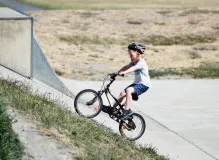 Productivity