For over long years, we have diligently conducted independent research and product testing. When you make a purchase through our links, we may earn a commission.
Boost Your Skills in Artistic Cycling: Unleash Your Creative Potential

Created: 3 weeks ago

136 min Read
Introduction to Artistic Cycling: Exploring an Innovative Sport
Artistic cycling is a captivating sport that combines elements of gymnastics, dance, and cycling. It involves performing intricate, gravity-defying routines on a fixed-gear bicycle. As an SEO expert, I will take you on a journey to explore the world of artistic cycling, from its history and rules to the incredible skills and benefits it offers.
A Brief History of Artistic Cycling
Artistic cycling traces its origins back to the late 19th century in Germany, where it was known as "Radball." Originally, it started as a form of entertainment during halftime at cycling races. Over the years, it evolved into a distinct sport with its own competitions and regulations.
The Basics of Artistic Cycling
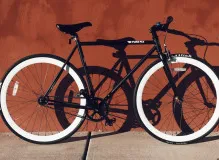
Artistic cycling is performed on a specialized fixed-gear bicycle. These bikes have no brakes and features specific geometrical dimensions to facilitate the execution of various tricks and stunts. Athletes showcase their skills in a rectangular competition area, performing routines that include spins, balance moves, and acrobatics.
Skills and Techniques in Artistic Cycling
Artistic cycling requires a combination of balance, flexibility, strength, and precision. Athletes must master a wide range of skills, including handstands, one-handed moves, pirouettes, and intricate choreography. The level of difficulty increases as athletes progress, with more advanced routines incorporating complex tricks and daring maneuvers.
Benefits of Artistic Cycling
Engaging in artistic cycling provides numerous benefits for both physical and mental well-being. It helps improve cardiovascular fitness, muscular strength, and endurance. The emphasis on balance and coordination enhances body control and spatial awareness. Additionally, participating in artistic cycling promotes mental focus, discipline, and creativity.
Artistic Cycling Competitions
Artistic cycling competitions feature various events, including individual, pairs, teams, and mixed pairs. Athletes are evaluated by a panel of judges who assess their technical skills, execution, difficulty level, and overall performance. These competitions showcase the incredible talent and dedication of artistic cyclists from around the world.
Getting Started in Artistic Cycling
If you're intrigued by artistic cycling and want to give it a try, you'll need the proper equipment and training. Start by finding a local cycling club or gym that offers artistic cycling classes. It's essential to receive guidance from experienced coaches who can teach you the necessary skills and ensure your safety while practicing.
Conclusion
Artistic cycling is a unique and innovative sport that combines athleticism with artistry. Its breathtaking routines and incredible displays of skill have captivated audiences worldwide. Whether you're a cycling enthusiast or someone looking to try something new, artistic cycling offers a thrilling and rewarding experience. So why not explore this exciting sport and unleash your inner creativity on two wheels?
Mastering the Basics: Essential Techniques for Artistic Cycling
To excel in artistic cycling, it is crucial to master the fundamental techniques that form the foundation of this captivating sport. In this section, we will explore some essential skills that every aspiring artistic cyclist should focus on. From balance and control to precise execution, these techniques will help you elevate your performance in artistic cycling.
1. Balance and Body Positioning
Maintaining balance is paramount in artistic cycling. Practice proper body positioning by keeping your core engaged, shoulders relaxed, and knees slightly bent. Focus on distributing your weight evenly on the bike to achieve optimal stability. Balancing techniques, such as riding on one wheel, are key elements that add flair to your routines.
2. Controlled Pivoting
Pivoting plays a critical role in artistic cycling routines. Develop control over your bike's front wheel by practicing controlled turns and pivots. Mastering this technique allows you to execute smooth spins and precise transitions, enhancing the fluidity and beauty of your performance.
3. Precision and Control
Artistic cycling demands precision and control in every movement. Work on precise footwork, ensuring that each pedal stroke and transition is accurate and deliberate. Coordinate your arm movements with your leg actions to create seamless transitions and visually appealing routines.
4. Acrobatic Maneuvers
Artistic cycling incorporates impressive acrobatic maneuvers that showcase your agility and strength. These include handstands, jumps, and complex balancing acts. Develop your core strength, flexibility, and coordination to execute these moves with finesse and confidence, captivating your audience with your bold and daring skills.
5. Choreography and Expression
Artistic cycling is more than just technical skills; it is an art form. Embrace the artistry by creating captivating choreography that complements the music and emphasizes your strengths. Express yourself through graceful movements and synchronized actions, captivating your audience and leaving a lasting impression.
6. Practice and Dedication
Like any sport, mastering artistic cycling requires consistent practice and dedication. Set aside regular training sessions to refine your technique and improve your skills. Work closely with experienced coaches who can provide guidance, feedback, and support on your artistic cycling journey.
By continuously honing these essential techniques, you can unlock your potential and elevate your performance in artistic cycling. Remember, it's not just about mastering the skills but also expressing your creativity and passion through this unique and captivating sport. Embrace the challenge, push your limits, and embrace the artistry of artistic cycling.
Nurturing your Creativity: Unleashing Your Artistic Potential in Cycling
When it comes to artistic cycling, creativity plays a vital role in elevating your performance and captivating the audience. In this section, we will dive into the importance of nurturing your creativity and unleashing your artistic potential in this unique sport.
Embracing the Artistic Aspect
Artistic cycling goes beyond the technical skills and physicality. It is an expressive art form that allows you to convey emotions, tell stories, and create mesmerizing performances on your bike. Embrace the artistic aspect of the sport and let your imagination soar as you choreograph your routines.
Exploring Music and Rhythm
Music is a powerful tool that can enhance the aesthetic appeal of your artistic cycling routine. Choose a piece of music that resonates with you and suits the theme or style you want to portray. Explore a range of genres, from classical compositions to contemporary beats, to find the perfect soundtrack to accompany your performance.
Crafting Unique Choreography
Choreography is the art of creating movement sequences that synchronize with the music and highlight your skills as an artistic cyclist. Experiment with different combinations of moves, transitions, and formations to craft a routine that is both visually stunning and technically challenging. Take inspiration from other artistic cyclists, but let your own ideas and style shine through.
** Incorporating Props and Costumes**
Props and costumes can add a touch of magic and theatricality to your artistic cycling routine. Consider incorporating props such as ribbons, hoops, or even larger props like bicycles decorated in unique ways. Choose costumes that complement the theme or story of your performance, enhancing the visual impact and creating a cohesive overall experience for the audience.
Expressing Emotion and Storytelling
Artistic cycling offers a platform for storytelling and expressing a range of emotions. Use your performance to convey a narrative or evoke specific feelings in the audience. Experiment with different facial expressions, body language, and gestures to enhance the emotional impact of your routine.
Collaborating with Other Artists
Artistic cycling is not limited to solo performances. Collaborating with other artists, such as dancers or visual artists, can elevate your routine to new heights. Explore interdisciplinary collaborations that combine different art forms, allowing for a truly unique and captivating experience for both performers and spectators.
Pushing Boundaries and Taking Risks
To truly unleash your artistic potential in cycling, don't be afraid to push boundaries and take risks. Innovate new moves, experiment with daring tricks, and challenge yourself to constantly improve and evolve. Embrace the excitement of trying something new and daring, and let your creativity flourish as you explore the possibilities of artistic cycling.
Conclusion
Artistic cycling is not just about technical skills and physical fitness; it is an opportunity to express your creativity and unleash your artistic potential. By embracing the artistic aspect, exploring music and rhythm, crafting unique choreography, incorporating props and costumes, expressing emotion and storytelling, collaborating with other artists, and taking risks, you can truly elevate your performance and captivate audiences with your artistic cycling skills. So, let your creativity soar, and let the world witness the unique artistic expression that can be achieved on two wheels.
Building Strength and Conditioning: Fitness Tips for Artistic Cyclists
To excel in artistic cycling, athletes must possess a high level of strength, stamina, and overall conditioning. In this section, we will explore some essential fitness tips that can help artistic cyclists optimize their training and enhance their performance.
1. Strength Training
Building strength is crucial for artistic cyclists as it allows them to execute powerful moves with control and precision. Incorporate resistance training exercises into your routine, focusing on key muscle groups such as the legs, core, and upper body. Squats, lunges, planks, and push-ups are excellent exercises to target these areas. Remember to gradually increase the weight and intensity as your strength improves.
2. Cardiovascular Endurance
Artistic cycling routines require a significant amount of cardiovascular endurance to sustain high-intensity movements over a prolonged period. Incorporate aerobic exercises such as cycling, running, or swimming into your training regimen. Aim for at least 30 minutes of continuous activity, gradually increasing the duration and intensity as your endurance improves.
3. Flexibility and Mobility
Flexibility and mobility are essential for artistic cyclists to execute various intricate moves and maintain proper form. Incorporate dynamic stretches and mobility exercises into your warm-up routine to improve joint range of motion. Additionally, static stretches after workouts can help improve flexibility over time. Yoga and Pilates can also be beneficial for enhancing flexibility and core strength.
4. Core Stability
A strong and stable core is vital for maintaining balance and control during artistic cycling routines. Incorporate exercises that target the core, such as planks, Russian twists, and mountain climbers, into your training routine. Focus on engaging the deep core muscles for stability and proper body alignment.
5. Balance and Coordination
Artistic cycling requires exceptional balance and coordination. Incorporate exercises that challenge your balance and proprioception, such as single-leg exercises, balance boards, and stability ball exercises. These exercises will help improve your ability to maintain stability while performing complex routines on the bike.
6. Cross Training
Incorporating cross-training activities into your routine can provide additional benefits for artistic cyclists. Activities such as yoga, Pilates, dance, or even gymnastics can enhance flexibility, body awareness, and overall athleticism. Cross-training also helps prevent overuse injuries and adds variety to your training routine.
7. Rest and Recovery
Remember that rest and recovery are just as important as training itself. Allow your body time to recover and repair through proper sleep, nutrition, and active recovery techniques such as foam rolling or stretching. Overtraining can lead to injuries and hinder progress, so listen to your body and give it the rest it needs.
Conclusion
Building strength, endurance, flexibility, and coordination are crucial aspects of fitness for artistic cyclists. By incorporating these fitness tips into your training routine and focusing on overall conditioning, you can optimize your performance and excel in the captivating sport of artistic cycling. Remember to always prioritize safety and consult with a qualified coach or trainer to tailor your training program to your individual needs and goals. Happy training!
The Art of Choreography: Creating Captivating Routines in Artistic Cycling
Choreography plays a vital role in the world of artistic cycling, elevating routines from mere displays of skill to captivating performances. In this section, we will delve into the art of choreography and discuss the key elements that make a routine in artistic cycling truly mesmerizing.
Expressing Creativity through Movement
Choreography in artistic cycling is not limited to executing technical skills. It is an opportunity to express creativity, emotions, and storytelling through synchronized movements on the bike. Athletes use their bodies, the bike, and the space around them to create visually stunning routines that captivate audiences.
Music and Its Role in Choreography
Music serves as the backbone of artistic cycling routines. Athletes carefully select music that aligns with the theme, mood, and style of their routine. The rhythm, tempo, and dynamics of the music influence the pace and energy of the performance, creating a seamless connection between the cyclist and the melody.
Planning the Routine
Before embarking on the choreography process, athletes need to have a clear vision of what they want to convey through their routine. They consider factors such as the difficulty level of skills, transitions between movements, and the overall structure of the routine. Planning ensures a well-coordinated performance that flows effortlessly.
Coordinating Body Movements and Bike Manipulation
In artistic cycling, the body movements of the athlete must harmonize with the manipulation of the bike. Athletes combine dance-like movements, spins, and acrobatic skills with precise bike handling to create a visually stunning performance. Coordinating these elements requires practice, control, and impeccable timing.
Creating Transitions and Flow
Smooth and seamless transitions between movements are essential in artistic cycling routines. Athletes strive to create a continuous flow of motion, connecting different elements and skills effortlessly. Transitions ensure that the routine appears cohesive, fluid, and mesmerizing to the audience.
Telling a Story
One of the unique aspects of artistic cycling is the ability to tell a story through the routine. Athletes use choreography to evoke emotions and engage the audience. They can convey narratives, depict characters, or express abstract concepts through their movements and the overall presentation of the routine.
Adapting the Routine to Fit Competitions
Artistic cycling routines need to be tailored to fit the specific requirements of competitions. Athletes consider factors such as time limits, evaluation criteria, and technical regulations when designing their routines. It requires a balance between showcasing technical skills and creating an engaging performance that resonates with the judges and spectators.
Practice and Refinement
Choreography is not a one-time event but an ongoing process of practice and refinement. Athletes continuously analyze their routines, seeking ways to enhance the wow-factor, clarify storytelling, and improve synchronization with the music. Through dedicated practice and attention to detail, artistic cyclists elevate their performances to new levels of artistry.
Conclusion
Choreography is an essential element in artistic cycling, transforming routines into captivating displays of skill, creativity, and storytelling. Through thoughtful planning, precise coordination, and attention to detail, athletes create performances that leave a lasting impression on audiences. So, let your imagination run wild, explore the possibilities of choreography, and elevate your artistic cycling routines to new heights of expression and artistry.
Mental Skills for Success: Developing a Winning Mindset in Artistic Cycling
In the world of artistic cycling, having physical skills and technical abilities is important, but developing a strong mental fortitude is equally crucial. In this section, we will explore the mental skills and strategies that can help athletes excel in artistic cycling and perform at their best. Whether you're a beginner or an experienced cyclist, cultivating a winning mindset can make a significant difference in your performance.
1. Visualize Success
Visualization is a powerful technique used by many successful athletes across various sports, including artistic cycling. Take some time before your performance to close your eyes and vividly imagine yourself executing every move flawlessly. Visualize the precise balance, coordination, and gracefulness required for each trick, and see yourself flawlessly executing your routine from start to finish. By repeatedly visualizing success, you are training your mind to believe in your abilities and increase your confidence.
2. Focus on the Present Moment
During a performance, it's easy for your mind to wander or be overwhelmed by distractions. To combat this, focus on the present moment and fully immerse yourself in the routine. Pay attention to your breathing, the sound of the music, and the feeling of the bike beneath you. By staying present, you can better anticipate and respond to any challenges that arise, and perform with greater precision and control.
3. Set Realistic Goals
Setting goals is an essential part of any sporting endeavor, but it's crucial to set realistic and achievable goals. Break down your routine into smaller segments and set specific targets for each section. By setting attainable goals, you can maintain a sense of progress and accomplishment, which will boost your motivation and confidence. As you achieve these smaller goals, your self-belief will grow, leading to improved performance overall.
4. Manage Pressure and Overcome Fear
Artistic cycling can be demanding, and athletes often face moments of intense pressure and fear. Learning to manage these emotions is crucial for success. One effective strategy is to embrace the pressure as a sign of the importance and significance of the performance. Rather than being overwhelmed by it, channel that energy into heightened focus and determination. Similarly, overcoming fear involves acknowledging it but not letting it control your actions. Develop trust in your skills, training, and preparation, and use that trust to push past any fears or doubts that may arise.
5. Practice Mindfulness and Self-Reflection
Mindfulness and self-reflection are valuable practices that can help athletes improve their mental performance. During training sessions and rehearsals, be fully present and attentive to your thoughts, emotions, and physical sensations. Take note of any negative or limiting beliefs and challenge them with positive affirmations. Regularly review and assess your performances to identify areas for improvement and celebrate your successes. Engaging in regular self-reflection builds self-awareness and allows you to make necessary adjustments to enhance your skills.
In conclusion, developing a winning mindset in artistic cycling is just as important as honing your physical abilities. By incorporating visualization, staying present, setting realistic goals, managing pressure and fear, and practicing mindfulness and self-reflection, you can cultivate a mental state that will optimize your performance. Remember, the mind-body connection is powerful, and by training your mind to support your artistic cycling journey, you can unlock your full potential and achieve extraordinary results.
Improving Balance and Coordination: Key Skills for Artistic Cycling Performance
Balance and coordination are vital components of artistic cycling, as they allow athletes to execute precise and intricate maneuvers on a fixed-gear bicycle. In this section, we will delve into some key skills and exercises that can help enhance your balance and coordination for a stellar performance in artistic cycling.
1. Body Positioning
Maintaining the correct body position is crucial for maintaining balance while performing artistic cycling routines. The rider should have a straight back, relaxed arms, and a centered posture. This balanced alignment ensures stability and control over the bike, enabling athletes to execute their moves with precision.
2. Core Strength
A strong core is essential for maintaining a stable base while performing artistic cycling routines. It helps stabilize the body and allows for better control of the bicycle. Exercises such as planks, crunches, and bicycle kicks can help strengthen the core muscles needed for balance and coordination in artistic cycling.
3. Proprioception Training
Proprioception refers to the body's ability to sense its position and movements in space. Improving proprioception can greatly enhance balance and coordination in artistic cycling. Simple exercises like standing on one leg, walking on a balance beam, or using a stability ball can help sharpen proprioceptive skills.
4. Practice Balancing Techniques
Artistic cyclists often incorporate various balancing techniques into their routines. These can include one-handed moves, standing on the bike's handlebars, or performing tricks while maintaining balance on one wheel. Practicing these techniques regularly allows riders to fine-tune their balance and coordination skills.
5. Coordination Drills
Enhancing coordination is paramount in artistic cycling, where precise execution of moves is key. Coordination drills that involve rhythmic movements, such as skipping rope, jumping jacks, or ladder drills, can help improve synchronization between different muscle groups and enhance overall coordination.
6. Visual Focus
Maintaining a clear visual focus during artistic cycling routines is essential for maintaining balance and executing moves accurately. Athletes should focus their gaze on a fixed point in the distance while performing tricks and maneuvers. This helps keep the body aligned and minimizes distractions that may affect balance.
Conclusion
Improving balance and coordination is a continuous journey for artistic cyclists. By focusing on body positioning, core strength, proprioception, balancing techniques, coordination drills, and visual focus, athletes can enhance their performance in this captivating sport. Remember that practice and consistency are key to mastering these skills and reaching new levels of excellence in artistic cycling. So, put on your cycling shoes, hop on your bike, and embark on a rewarding journey of balance and coordination in the world of artistic cycling.
Artistic cycling is an innovative sport that combines elements of gymnastics, dance, and cycling. It involves performing intricate, gravity-defying routines on a fixed-gear bicycle.
Artistic cycling, also known as artistic bike riding or artistic bicycling, has gained popularity around the world. This unique sport requires a high level of skill, balance, and coordination. Athletes perform choreographed routines that incorporate impressive tricks and stunts.
Artistic cycling has a rich history dating back to the late 19th century. It originated in Germany, where it was initially known as "Radball." Over time, it evolved into a distinct sport with its own competitions and regulations.
Participating in artistic cycling offers a range of benefits. From building fitness and strength to enhancing balance and flexibility, this sport provides a full-body workout. It also requires mental focus, discipline, and creativity, making it a rewarding and fulfilling activity.
Artistic cycling competitions feature different events, including individual, pairs, and team routines. Athletes are judged on various criteria, such as execution, difficulty level, artistic expression, and overall performance. The spectacle of artistic cycling competitions showcases the incredible talent and dedication of athletes from around the world.
If you're interested in getting involved in artistic cycling, there are several ways to get started. Joining a local cycling club or gym that offers artistic cycling classes is a great way to learn the basics and receive guidance from experienced coaches. Investing in a fixed-gear bicycle and protective gear is also essential for practicing safely.
In conclusion, artistic cycling is a mesmerizing sport that combines athleticism, artistry, and creativity. It offers a unique and exciting experience for both participants and spectators. Whether you're a cycling enthusiast or someone looking to try something new, artistic cycling is definitely worth exploring. So grab your bike, unleash your creativity, and delve into the world of artistic cycling!
Artistic cycling encompasses a variety of disciplines that showcase the diverse talents and styles of athletes. In this section, we will delve into the different disciplines within artistic cycling and explore the unique characteristics and challenges they present.
-
Individual Freestyle: This discipline focuses on the individual athlete's performance and creativity. Athletes choreograph their routines to express their unique artistic vision. It requires a combination of technical skills, balance, and creativity to captivate the audience and the judges.
-
Pairs Artistic Cycling: Pairs artistic cycling adds an extra layer of complexity and synchronization. Athletes must work together seamlessly, mirroring each other's movements and executing synchronized elements. The trust and coordination between the two athletes are essential to create a visually stunning performance.
-
Team Artistic Cycling: In team artistic cycling, a larger group of athletes comes together to create intricate routines. The team aspect adds complexity and requires precise timing and coordination. Athletes must synchronize their movements, execute challenging tricks in harmony, and seamlessly transition between elements.
-
Mixed Pairs Artistic Cycling: Mixed pairs artistic cycling brings together male and female athletes as a team. This discipline showcases the dynamic interplay between contrasting strengths and abilities. It requires partnership, trust, and a harmonious blend of skills to create visually impactful performances.
-
Junior Artistic Cycling: Junior artistic cycling is designed for young athletes, providing a platform for them to develop their skills and gain competition experience. It focuses on fostering a love for the sport while encouraging technical growth and creativity. Junior athletes showcase their talents in individual, pairs, and team events.
Each discipline within artistic cycling has its own unique challenges and requirements. Athletes must not only master the technical skills and techniques but also demonstrate artistry, expression, and showmanship to truly excel in this sport.
It's important to emphasize that while artistic cycling is a highly competitive sport, it is also a platform for self-expression and personal growth. Athletes have the freedom to showcase their creativity and individuality while pushing the boundaries of what is possible on a bicycle.
In conclusion, artistic cycling offers a range of disciplines that cater to different styles, abilities, and preferences. Whether you prefer the individual spotlight, the synchronicity of pairs, the teamwork of a larger group, or the interplay of mixed pairs, there is a discipline within artistic cycling to suit your passion. So, take the leap, embrace the challenges, and find your own unique style in the captivating world of artistic cycling.
Training Tips for Artistic Cycling: Developing Strength and Balance
To become a skilled artistic cyclist, it is important to focus on developing both strength and balance. These two aspects go hand in hand and are critical for executing the intricate routines and maneuvers in artistic cycling. In this section, we will explore some training tips and exercises that can help you enhance your strength and balance in artistic cycling.
1. Core Strengthening
A strong core is essential for maintaining stability and balance while performing artistic cycling routines. Incorporate exercises that target your core muscles, such as planks, Russian twists, and bicycle crunches. These exercises will strengthen your abdominal muscles and improve your body control during artistic cycling movements.
2. Leg Strengthening
Artistic cycling requires strong leg muscles to generate power and control the bike. Include exercises like squats, lunges, and calf raises in your training regimen to build strength in your lower body. Additionally, cycling-specific exercises like leg presses and hamstring curls can help improve your pedal stroke efficiency.
3. Proprioception and Balance Training
Proprioception, or body awareness, is crucial for maintaining balance and executing precise movements in artistic cycling. Incorporate exercises that challenge your balance, such as single-leg stands, Bosu ball exercises, and stability ball exercises. These exercises will enhance your proprioceptive abilities and improve your overall stability on the bike.
4. Coordination and Agility Drills
Artistic cycling routines involve intricate coordination between different body parts and movements. Incorporate coordination and agility drills into your training routine to improve your motor skills. Exercises like ladder drills, agility ladder exercises, and cone drills can help enhance your coordination and agility, making you more adept at executing complex routines.
5. Flexibility Training
Flexibility is essential for performing certain artistic cycling moves and maintaining body alignment. Incorporate stretching exercises, such as hamstring stretches, quad stretches, and calf stretches, into your training routine. Additionally, consider practicing yoga or Pilates to improve your overall flexibility and body awareness.
6. Mental Focus and Concentration
Artistic cycling requires intense mental focus and concentration to execute precise movements and maintain body control. Incorporate mindfulness exercises, such as meditation or visualization, into your training routine to improve your ability to stay present and focused during your artistic cycling practices and performances.
By incorporating these training tips and exercises into your artistic cycling preparation, you can develop the necessary strength and balance to excel in this captivating sport. Remember to gradually increase the intensity and duration of your training, and always prioritize proper technique and safety. With dedication and practice, you can master the art of artistic cycling and showcase your skills with grace and precision.
Mastering Technical Skills in Artistic Cycling: From Basic to Advanced
To become a skilled artistic cyclist, it is essential to master a range of technical skills that form the building blocks of this captivating sport. From balancing and maneuvering to executing complex tricks, developing proficiency in these techniques will allow you to progress from basic routines to more advanced and awe-inspiring performances.
1. Balancing and Control
Balancing is a fundamental skill in artistic cycling that ensures stability and control while performing various moves and tricks. Practicing static balances, such as standing on the bike with both feet, will help you develop core strength and improve your overall balance. Consistent practice and perseverance are key to achieving equilibrium and control while maneuvering the bike.
2. Bike Handling and Maneuvering
A crucial aspect of artistic cycling is having excellent bike handling skills. This includes maneuvering the bike with precision and ease, such as executing tight turns, riding in circular patterns, and maintaining control during complex maneuvers. Regular training exercises, such as figure eights or weaving between cones, can improve your bike handling abilities.
3. Tricks and Stunts
Artistic cycling truly comes alive with the execution of impressive tricks and stunts. From basic moves like one-handed riding and riding without hands, to more intricate acrobatic maneuvers like handstands or shoulder stands, these tricks add flair and excitement to your routines. Start with simpler tricks and gradually progress to master more advanced ones with practice and proper guidance.
4. Choreography and Flow
In artistic cycling, incorporating choreography and flow into your routines is essential to create a visually captivating performance. Choreography involves seamlessly transitioning between moves, combining balance, tricks, and dance elements to create a cohesive routine. Focus on fluidity, timing, and expression, allowing the music to guide your movements and enhance the overall artistic aesthetic.
5. Synchronization (for Pair and Team Performances)
For pair and team performances in artistic cycling, synchronization plays a significant role. Ensuring that movements and timing are coordinated with your partner or teammates adds an extra layer of complexity and visual impact. Practice together to develop a strong sense of timing, communication, and trust, allowing you to execute synchronized routines flawlessly.
6. Confidence and Showmanship
While technical skills are vital in artistic cycling, cultivating confidence and showmanship will truly elevate your performances. Embrace your individual style and showcase your personality through your routines. Engage with the audience and exude a sense of joy and passion for the sport. Remember, artistic cycling is not just about the technicalities; it's also about entertaining and inspiring others through your creativity and artistry.
In conclusion, mastering the technical skills in artistic cycling requires dedication, practice, and a passion for the sport. By focusing on balance, bike handling, tricks, choreography, synchronization, and showmanship, you can progress from basic skills to advanced routines that captivate and inspire. So, grab your bike, set your goals, and embark on a journey towards becoming a proficient artistic cyclist.
Artistic cycling is not only about mastering technical skills and executing complex maneuvers on a bicycle. It is also an opportunity to express your creativity and incorporate elements of dance and choreography into your routines. By blending artistic expression with athletic prowess, you can create mesmerizing performances that captivate audiences. In this section, we will explore how you can unleash your creativity in artistic cycling and take your routines to the next level.
Integrating Dance into Artistic Cycling
Dance plays a significant role in artistic cycling, as it adds grace, fluidity, and emotion to your routines. By incorporating different dance styles such as ballet, contemporary, or even hip-hop, you can bring a unique flair to your performance. Focus on synchronizing your movements with the rhythm and music, allowing your body to flow seamlessly through each maneuver. Dance also enables you to express your personality and storytelling abilities, making your routine more engaging and memorable.
Creating Choreography for Artistic Cycling
Choreography is the art of designing and arranging movements to create a cohesive and visually appealing routine. In artistic cycling, choreography allows you to showcase your technical skills while maintaining the overall aesthetic of your performance. Begin by selecting a theme or concept that resonates with you, whether it's a story, an emotion, or a creative idea. Then, break down your routine into segments or sequences and carefully craft each movement to flow seamlessly from one to the next. Pay attention to the composition, dynamics, and spatial awareness to maximize the impact of your choreography.
Expressing Emotion through Artistic Cycling
Artistic cycling provides a platform to express a wide range of emotions, from joy and excitement to melancholy and introspection. Use your body language, facial expressions, and even costume choices to convey these emotions effectively. For example, a routine set to a lively and upbeat piece of music can showcase your energy and enthusiasm, while a slower, more melancholic composition can evoke feelings of introspection or longing. Experiment with different emotions and find ways to bring them to life through your performance.
Collaborating with Other Artistic Cyclists
Artistic cycling is not limited to individual performances. Collaborating with other artistic cyclists can open up new possibilities for creativity and innovation. Whether you form a duo, a team, or a mixed pair, working closely with others allows you to explore intricate formations, synchronized movements, and dynamic interactions. By sharing ideas, combining strengths, and embracing teamwork, you can create breathtaking routines that leave a lasting impression on spectators.
Continuously Evolving Your Artistic Cycling Skills
As an artistic cyclist, it is essential to continuously work on your technique, hone your skills, and seek inspiration from other dancers, choreographers, and athletes. Attend workshops, watch performances, and stay updated with the latest trends in artistic cycling. Embrace feedback from coaches, judges, and fellow artistic cyclists to refine your routines and push the boundaries of your creativity.
In conclusion, artistic cycling goes beyond the technical aspects of cycling and encompasses the art of dance and choreography. By integrating dance into your routines, creating captivating choreography, expressing emotion, collaborating with others, and seeking continuous improvement, you can unleash your creativity and take your artistic cycling performances to new heights. Embrace the artistic elements of this sport, and let your imagination soar as you mesmerize audiences with your unique blend of athleticism and artistry.
When it comes to participating in artistic cycling, having the right equipment is essential for a safe and enjoyable experience. In this section, we will guide you through the process of choosing the right bike and accessories for artistic cycling.
Choosing the Perfect Bike
The centerpiece of artistic cycling equipment is the bike itself. The artistic cycling bike is specially designed with unique features to accommodate the diverse range of tricks and stunts performed in this sport. Let's explore the key factors to consider when selecting an artistic cycling bike.
-
Frame: The bike's frame should be sturdy and durable to withstand the demands of artistic cycling routines. Look for a frame made from lightweight yet strong materials such as aluminum or carbon fiber.
-
Gearing: Artistic cycling bikes have a fixed-gear system, meaning there is no freewheel or derailleur. The lack of gears allows for more precise control and enables riders to execute intricate moves and spins smoothly.
-
Brakes: Traditional artistic cycling bikes do not come equipped with brakes. Athletes rely on their core strength and technique to control their speed and balance. However, for beginners or those who prefer added safety measures, some beginner-friendly models may have a front brake.
-
Wheel size: Artistic cycling bikes typically feature small wheel sizes, ranging from 20 to 26 inches. The smaller wheels offer better maneuverability and agility, allowing riders to perform tricks and rotations with ease.
Essential Accessories for Artistic Cycling
In addition to the bike itself, there are several accessories that can enhance your artistic cycling experience and ensure your safety. Let's take a look at some key accessories to consider:
-
Helmet: Wearing a helmet is crucial for any cycling activity, including artistic cycling. Look for a helmet specifically designed for bicycle sports, offering excellent protection and a comfortable fit.
-
Padding and Protection: As artistic cycling involves intricate and acrobatic moves, it is advisable to wear padded gloves and protective gear such as knee and elbow pads. These accessories provide an extra layer of safety and cushioning in case of falls or accidents.
-
Shoes: Choose a pair of lightweight cycling shoes that provide a secure fit and allow for efficient pedaling. Look for shoes with a stiff sole to optimize power transfer and support during your routines.
-
Clothing: Opt for comfortable and breathable athletic clothing that allows freedom of movement. Consider wearing form-fitting clothing to minimize any interference or entanglement during complex maneuvers.
-
Tool Kit and Maintenance Accessories: It's essential to have a basic tool kit and maintenance accessories to keep your bike in optimal condition. This includes tire levers, a mini pump, a multi-tool, and chain lubricant.
By carefully selecting your bike and accessories, you can ensure that you have the right tools to fully enjoy and excel in artistic cycling. Remember to prioritize safety and invest in high-quality equipment that suits your skill level and aspirations.
Comparing Artistic Cycling Bikes: Finding the Perfect Fit
With various artistic cycling bike models available in the market, it can be challenging to decide which one is best suited for your needs and preferences. In this section, we will compare different artistic cycling bikes, taking into account factors such as performance, design, and price.
| Bike Model | Key Features | Price Range |
|---|---|---|
| Artistica A1 | Lightweight aluminum frame | $500 - $800 |
| Cyclone X1 | Carbon fiber frame for optimal power transfer | $1,000 - $1,500 |
| Turbo Tricks TT | Front brake option for added safety | $300 - $500 |
| Pro Performer | Adjustable seat and handlebars for personalized fit | $800 - $1,200 |
These are just a few examples of artistic cycling bikes available in the market, each with its own unique features and price range. It's important to consider your budget, skill level, and specific requirements when making a purchasing decision. Remember to try out different models and consult with experienced cyclists or coaches to determine the bike that suits you best.
Conclusion
Choosing the right bike and accessories is an essential step towards a successful artistic cycling journey. By investing in a high-quality bike, wearing appropriate protective gear, and selecting accessories that enhance your comfort and safety, you can fully immerse yourself in this thrilling sport. Remember to weigh your options, compare different models, and seek expert advice to ensure that your equipment is tailored to your needs and aspirations in artistic cycling.
Your fitness and conditioning play a crucial role in your journey as an artistic cyclist. With the demanding nature of this sport, it is essential to develop a strong foundation to perform the intricate routines and stunts with precision. In this section, we will delve into the importance of fitness and conditioning in artistic cycling and explore some key areas to focus on.
Cardiovascular Endurance
Cardiovascular endurance is vital in artistic cycling as it allows you to sustain high-intensity movements for an extended period. Cycling itself is an excellent cardiovascular exercise, but incorporating other forms of cardio training such as running, swimming, or HIIT workouts can further enhance your overall endurance. By building a strong cardiovascular base, you will be able to maintain stamina throughout your routines and perform with power and control.
Strength and Power
Artistic cycling requires a combination of strength and power in various muscle groups. Developing strength in your lower body, including your quadriceps, hamstrings, and calves, is particularly important for generating power during jumps, spins, and balance moves. Incorporating strength training exercises such as squats, lunges, and calf raises will help build the necessary muscular foundation for artistic cycling.
Core Stability and Balance
A strong core is crucial for maintaining stability and balance while executing intricate moves on the bike. Engaging in exercises that target your core muscles, such as planks, Russian twists, and bicycle crunches, will help strengthen your abdominal and back muscles. This, in turn, will improve your body control and balance on the bike, allowing you to perform complex tricks and maneuvers with ease.
Flexibility and Range of Motion
Flexibility is essential in artistic cycling to achieve the wide range of movements and positions required in routines. A proper warm-up and regular stretching routine can help improve your flexibility, promoting fluid and graceful movements. Incorporating exercises that target your hip flexors, hamstrings, and shoulders, such as lunges, straddle stretches, and arm circles, will help increase your range of motion and prevent injuries.
Agility and Coordination
Artistic cycling demands a high level of agility and coordination to seamlessly transition between moves and execute precise techniques. Incorporating agility drills, such as ladder drills, cone drills, and agility ladder exercises, into your training can improve your footwork, reaction time, and overall coordination. This will allow you to perform complex sequences and routines with fluidity and accuracy.
Rest and Recovery
While it's essential to push yourself in your training, it's equally important to prioritize rest and recovery. Giving your body time to rest and repair is crucial for avoiding overuse injuries and optimizing your performance. Incorporate rest days into your training schedule and prioritize sleep to allow your muscles to recover and adapt to the demands of artistic cycling.
By focusing on these key areas of fitness and conditioning, you can build a strong foundation in artistic cycling. Remember to progress gradually in your training, listen to your body, and seek guidance from a qualified coach or trainer to ensure proper technique and safety. With dedication, consistency, and a focus on fitness, you can enhance your performance and unleash your full potential in the exciting world of artistic cycling.
Artistic cycling is not just a sport but also a vibrant community of passionate athletes. If you're interested in joining this community and taking your artistic cycling journey to the next level, you'll need to find clubs and competitions where you can connect with fellow cyclists and showcase your skills. In this section, we will explore how you can find artistic cycling clubs in your area and discover upcoming competitions to participate in.
Finding Artistic Cycling Clubs
Artistic cycling clubs are the heart of the community, providing a supportive environment where cyclists can train, learn, and grow together. Here are a few ways you can find clubs near you:
-
Online Research: Start by doing an online search for "artistic cycling clubs" in your area. This will give you a list of clubs and their contact information. Many clubs have their own websites or social media pages where you can find more details about their training programs and membership requirements.
-
Local Cycling Associations: Check with your local cycling associations or federations as they may have a directory of affiliated clubs. These associations can provide valuable resources and information about clubs that specialize in artistic cycling.
-
Networking: Connect with other cyclists or sports enthusiasts in your area who might already be involved in artistic cycling. They can provide insights, recommendations, and possibly introduce you to existing clubs or training groups.
Joining an Artistic Cycling Club
Once you've identified a few clubs that pique your interest, it's time to reach out and connect. Here are some steps to follow when joining an artistic cycling club:
-
Contact the Club: Get in touch with the club's contact person via email or phone. Express your interest in joining and inquire about any introductory programs or trial sessions they offer. Some clubs may also have specific age groups or skill levels, so discuss your experience and goals with them.
-
Schedule a Visit: Arrange a visit to the club's training facility to get a feel for the environment and observe the training sessions. This will also give you an opportunity to meet the coaches and existing members and see if it's a good fit for you.
-
Participate in Training: Once you've decided to join a club, start attending their training sessions regularly. Be prepared to follow the training program and commit to improving your skills. Remember, artistic cycling is not just about individual performance but also about supporting and learning from your fellow cyclists.
Finding Artistic Cycling Competitions
Competitions are where artistic cyclists get to showcase their skills and compete against other talented athletes. Participating in competitions can be a thrilling and rewarding experience. Here are some ways to find artistic cycling competitions:
-
National and International Events: Stay updated on national and international artistic cycling events through official cycling federation websites and social media pages. These events attract top athletes and provide an opportunity to witness the highest level of artistic cycling.
-
Local and Regional Competitions: Check with your club or local cycling associations for any upcoming local or regional artistic cycling competitions. These events are a great starting point for beginners and offer a chance to gain experience and network with other enthusiasts.
-
Online Platforms: Explore online platforms and forums dedicated to artistic cycling. Some platforms list upcoming competitions, provide information about registration, and even offer guidelines for preparing routines and performances.
Preparing for Competitions
Once you've identified a competition to participate in, it's time to start preparing. Here are some tips to help you get ready:
-
Training: Work closely with your club's coaches to develop and refine your routine. Focus on strengthening your technical skills, precision, and execution. Remember to practice under competition-like conditions to build confidence and perform at your best.
-
Evaluate the Competition: Research previous competitions and watch videos of performances by top artistic cyclists. Understand the judging criteria and style preferences that often come into play during competitions. This will help you tailor your routine and make it stand out.
-
Plan and Rehearse: Plan your routine meticulously, considering the time limits, required elements, and transitions. Practice your routine multiple times to ensure smoothness and familiarity. Seek feedback from your coaches and peers and make adjustments as needed.
-
Mental Preparation: Take time to visualize your performance, manage nerves, and stay focused. Mental preparation is vital to performing at your best during competitions. Develop pre-competition rituals or techniques that help you relax and get in the right mindset.
Conclusion
Joining an artistic cycling club and participating in competitions allows you to immerse yourself in a vibrant community of like-minded individuals who share a passion for this unique sport. Whether you're a beginner or an experienced cyclist, finding clubs, and competitions will not only enhance your skills but also provide opportunities for growth, friendship, and memorable experiences. So, start exploring and become part of the artistic cycling community today!
Artistic cycling is an innovative and dynamic sport that pushes the boundaries of what is possible on two wheels. Combining elements of gymnastics, dance, and cycling, artistic cycling showcases the athleticism, creativity, and precision of its participants. In this section, we will delve deeper into the world of artistic cycling, exploring its unique features, its benefits, and the potential it holds for athletes and enthusiasts alike.
What is Artistic Cycling?
Artistic cycling is a highly specialized sport that involves performing a range of intricate and daring maneuvers on a fixed-gear bicycle. Athletes, known as artistic cyclists or riders, showcase their skills and creativity through choreographed routines performed in a rectangular competition area. These routines incorporate a variety of moves, including balancing, spinning, jumping, and acrobatic tricks, all while maintaining control of the bicycle.
The Skill and Precision of Artistic Cycling
Artistic cycling is a sport that demands a high level of skill, balance, and coordination. Athletes must possess a strong sense of body control and spatial awareness as they execute gravity-defying moves on a bike without brakes. From delicate balance poses to dynamic spins and flips, artistic cycling requires precise execution to achieve breathtaking performances.
Benefits of Engaging in Artistic Cycling
Participating in artistic cycling provides a host of benefits, both physical and mental. The sport offers a complete cardiovascular workout, improving endurance and stamina. The demanding nature of artistic cycling also builds strength, particularly in the core, legs, and upper body, as athletes navigate through various positions and maneuvers.
Additionally, artistic cycling promotes mental focus and discipline. Athletes must work diligently to perfect their routine, memorize choreography, and execute moves flawlessly. This mental engagement leads to improved concentration, problem-solving skills, and heightened body awareness.
Artistic Cycling as a Competitive Sport
Artistic cycling competitions showcase the incredible talent and skills of athletes in a variety of disciplines. These include individual, pairs, teams, and mixed pairs events, each with its own set of rules and requirements. Competitors are assessed by a panel of judges who evaluate factors such as difficulty level, technical execution, artistic expression, and overall performance.
The Potential of Artistic Cycling for Athletes
Artistic cycling offers immense potential for athletes to challenge themselves and reach new heights of skill and creativity. The sport allows for continuous growth and progression, with athletes constantly pushing the boundaries of what is possible on a bicycle. As they master new moves, refine their technique, and develop their artistic expression, artistic cyclists can take their performances to increasingly impressive levels.
Conclusion
Artistic cycling is an awe-inspiring sport that captivates both participants and spectators alike. Its unique blend of athleticism, artistry, and technical precision sets it apart from other forms of cycling. Engaging in artistic cycling provides an opportunity to showcase creativity, challenge physical limits, and experience the thrill of mastery. Whether as a competitive athlete or an enthusiastic amateur, embracing artistic cycling opens up a world of possibilities and the potential for personal growth. So, hop on your bike, unleash your creativity, and explore the magical realm of artistic cycling!
To become proficient in artistic cycling, it's essential to develop a solid foundation in various techniques. These skills will form the basis for executing complex routines and choreography with precision and finesse. In this section, we will explore the key techniques that every aspiring artistic cyclist should focus on. Let's dive in and discover the secrets to mastering the basics of artistic cycling.
Balance and Control: The Cornerstones of Artistic Cycling
Balance and control are at the core of artistic cycling. Developing a strong sense of balance will enable you to perform intricate moves while maintaining stability on the bike. Work on improving your balance through targeted exercises, such as standing on one leg or practicing yoga poses that enhance core stability.
Precision in Execution: Nailing the Details
Artistic cycling routines require precise execution of every move. Whether it's a handstand, spin, or intricate footwork, paying attention to detail is key. Practice each move with intense focus, ensuring that your body positions, timing, and transitions are executed with precision. By honing your ability to execute each move flawlessly, you will elevate the quality of your performances.
Body Awareness and Flexibility: Creating Fluid Movements
To perform graceful and fluid movements in artistic cycling, it's crucial to develop body awareness and flexibility. A strong and flexible body allows you to transition seamlessly between various positions and execute complex acrobatic maneuvers. Incorporate exercises that improve flexibility, such as stretching routines and yoga, into your training regime to enhance your range of motion.
Strength and Endurance: Powering Through Routines
Artistic cycling requires considerable strength and endurance to perform dynamic routines effortlessly. Strengthen your core, upper body, and lower body through targeted exercises like planks, push-ups, and squats. Additionally, incorporating cardiovascular training, such as cycling or running, will improve your endurance, enabling you to sustain performance throughout longer routines.
Coordination and Timing: Harmonizing Movement
Artistic cycling involves performing a series of complex moves seamlessly, requiring exceptional coordination and timing. Practice synching your movements with the rhythm of the music or counting beats to ensure your routines flow smoothly. Developing a keen sense of timing will allow you to execute transitions and choreography with precision and grace.
Artistic Expression: Adding Emotion and Creativity
Artistic cycling is not just about technical skills; it is also about expressing emotions and creativity through movement. Experiment with different interpretations of music and explore unique ways to incorporate emotion into your routines. Remember to bring your personal flair and style to your performances, allowing your artistic expression to shine through.
By focusing on these key techniques and continuously refining your skills, you will build a strong foundation in artistic cycling. Remember to practice consistently and seek guidance from experienced coaches or instructors who can provide valuable feedback. Embrace the joy of artistic cycling and let your passion for this captivating sport fuel your growth and development.
When it comes to artistic cycling, there are a variety of styles and disciplines to explore. Each style showcases a unique set of skills and movements, allowing athletes to express their creativity and athleticism in different ways. Let's dive into some of the most popular styles in artistic cycling.
-
Individual Freestyle: Individual freestyle is the most common discipline in artistic cycling. Athletes perform solo routines, incorporating a wide range of tricks, spins, and balances. This style allows cyclists to showcase their personal style and creativity, blending technical skills with artistic expression.
-
Pairs: Pairs artistic cycling involves two athletes performing together on a single bicycle. The coordination and synchronization between the two cyclists are essential in executing seamless routines. This discipline highlights the importance of team dynamics and trust, as both participants need to move in harmony.
-
Group: Group artistic cycling involves a team of cyclists, typically consisting of four to eight members or more. This discipline emphasizes coordination, synchronization, and intricate formations. Group routines showcase the collective skills of the team as they perform complex moves, often involving interweaving patterns and transitions.
-
Artistic Single Speed: Artistic single speed is a discipline that focuses on, as the name suggests, performing artistic routines on a single-speed bicycle. The use of a single gear adds an extra layer of challenge to the performance, requiring precise control and balance during tricks and maneuvers.
-
Artistic Pogo: Artistic pogo is a unique and relatively newer style in artistic cycling. It involves performing routines on a pogo stick while incorporating artistic movements and tricks. This style adds an element of difficulty and creativity, as athletes must maintain balance and control on a more unconventional apparatus.
Each style and discipline in artistic cycling offers its own set of challenges and opportunities for athletes to showcase their skills. Whether it's exploring the individual freedom of freestyle or the synchronized precision of group routines, artistic cycling allows athletes to push their boundaries and captivate audiences with their exceptional performances.
So, if you're looking to immerse yourself in the world of artistic cycling, consider trying out different styles and disciplines to discover the one that resonates with your passion and interests. With dedication, practice, and a touch of artistic flair, you can embark on an exhilarating journey in artistic cycling.
Artistic cycling is not merely about executing technical skills and tricks. It is also a platform for athletes to express their creativity and showcase their unique artistic flair. In this section, we will delve into the importance of creativity in artistic cycling routines and explore ways to develop and incorporate it into your performances.
Understanding the Role of Creativity in Artistic Cycling
Creativity plays a pivotal role in artistic cycling routines, as it allows athletes to bring their own personal touch and style to their performances. It enables them to stand out from the crowd and create memorable routines that captivate and delight audiences. By adding elements of creativity, artistic cyclists can infuse their routines with emotion and artistry, transforming them into captivating visual spectacles.
Incorporating Creative Elements into Artistic Cycling Routines
There are several ways to incorporate creativity into your artistic cycling routines. Here are some ideas to get you started:
-
Music Selection: Choose music that resonates with your style and personality. The right music can enhance the emotional impact of your routine and inspire your movements.
-
Choreography: Develop unique choreography that complements the music and highlights your strengths. Experiment with different movements, transitions, and formations to create visually striking sequences.
-
Costume and Presentation: Pay attention to your outfit and overall presentation. Design a costume that reflects your personality and adds visual interest to your routine. Consider the use of props or accessories to enhance your performance.
-
Innovation in Tricks: Push the boundaries of traditional artistic cycling tricks by introducing new variations or combinations. Think outside the box and explore innovative ways to showcase your skills.
-
Storytelling: Create a narrative or theme for your routine. Use your movements and expressions to tell a story or convey a specific emotion. This adds depth and engagement to your performance.
Benefits of Developing Creativity in Artistic Cycling
Developing creativity in artistic cycling can bring a multitude of benefits to athletes. It allows them to fully express themselves and showcase their individuality, making their performances truly unique and memorable. Moreover, incorporating creative elements into routines enhances the overall artistic quality of the sport, elevating it from a mere display of physical skills to a form of artistic expression.
Conclusion
Creativity is an essential aspect of artistic cycling routines, bringing personal expression and innovation to the sport. By incorporating unique choreography, music, costumes, and storytelling, athletes can transform their performances into captivating visual experiences. Embrace your creativity, experiment with new ideas, and unleash your artistic potential in the world of artistic cycling. Let your imagination soar as you push the boundaries of what is possible on two wheels.
Artistic cycling training is essential for athletes who want to improve their technique and performance in this captivating sport. In this section, we will explore some valuable tips and strategies that can help you take your artistic cycling skills to the next level. Whether you're a beginner or an experienced cyclist, these insights will provide valuable guidance on how to enhance your training routine and make the most of your practice sessions.
1. Establish a Structured Training Plan
To make progress in artistic cycling, it's crucial to establish a structured training plan. This plan should include a balance of skill-specific training, cardio and strength exercises, flexibility work, and rest days. By setting clear training goals and following a well-rounded plan, you can maximize your improvement and ensure that you're giving adequate attention to all aspects of the sport.
2. Focus on Technique and Fundamentals
Mastering the basics is key to becoming a proficient artistic cyclist. By focusing on technique and fundamentals, you can build a strong foundation for more advanced moves and routines. Practice balance exercises, such as riding in a straight line or maintaining equilibrium while executing specific moves. Also, pay attention to body positioning, hand placement, and pedal control to enhance control and precision.
3. Incorporate Strength and Conditioning Exercises
Artistic cycling requires strength and stamina to perform intricate tricks and maintain control over the bike. Incorporate strength and conditioning exercises into your training routine to build the necessary muscle power. Target your core, legs, and upper body through exercises like squats, lunges, planks, shoulder presses, and rows. Focus on both endurance and explosive power to improve your overall performance on the bike.
4. Enhance Flexibility and Range of Motion
Flexibility is crucial for executing the fluid and dynamic movements required in artistic cycling. Incorporate stretching exercises into your training routine to improve flexibility and range of motion. Focus on stretches that target the lower back, hamstrings, quadriceps, calves, and shoulders. Regular stretching sessions can help prevent injuries and improve your ability to perform complex routines.
5. Practice Routine Design and Choreography
Artistic cycling is not just about executing tricks but also showcasing your creativity and artistry. Spend time on routine design and choreography, incorporating elements that highlight your strengths and unique style. Experiment with different sequences, transitions, and music choices to create captivating performances that leave a lasting impression on judges and spectators.
6. Seek Professional Guidance and Feedback
Consider seeking professional guidance and feedback to refine your technique and identify areas for improvement. Coaches and experienced artistic cyclists can provide valuable insights and tips to help you progress faster and overcome challenges. They can also guide you in developing a personalized training program tailored to your specific goals and abilities.
7. Stay Consistent and Enjoy the Journey
Consistency is key in artistic cycling training. Commit to regular practice sessions and stay motivated, even when faced with setbacks or frustrations. Remember to enjoy the journey and celebrate small victories along the way. Embrace the process of learning and developing your skills, and have fun exploring the unique combination of athleticism and artistry that artistic cycling offers.
By incorporating these tips and strategies into your artistic cycling training, you can enhance your technique, improve your performance, and unlock your full potential in this captivating sport. Keep pushing your limits, stay dedicated, and enjoy the exhilarating journey of artistic cycling.
Artistic cycling requires a high level of physical fitness, as athletes must possess strength, flexibility, and endurance to execute their routines with precision. In addition to practicing on the bike, incorporating conditioning exercises into your training regimen can help improve your overall performance in artistic cycling.
Dynamic Warm-Up
Before diving into any conditioning exercises, it's important to warm up your muscles and joints to prevent injury. A dynamic warm-up routine can include exercises like arm circles, leg swings, high knees, and shoulder rotations. This helps increase blood flow, loosen up the joints, and prepare your body for the upcoming workout.
Core Strength
A strong core is essential for maintaining balance, control, and stability while performing artistic cycling tricks and stunts. Incorporate exercises such as planks, Russian twists, bicycle crunches, and leg raises into your routine. These exercises target the abdominal muscles, obliques, and lower back, helping to provide a solid foundation for your movements on the bike.
Leg Strength
Building leg strength is crucial for generating power during jumps, lifts, and spins in artistic cycling. Include exercises like squats, lunges, calf raises, and step-ups to target the major muscles in your legs, including the quadriceps, hamstrings, and calves. You can also incorporate plyometric exercises like box jumps and squat jumps to improve explosive power and agility.
Flexibility and Mobility
Flexibility and mobility play a significant role in artistic cycling, as athletes need to move gracefully and effortlessly through various positions and transitions. Stretching exercises like hamstring stretches, hip flexor stretches, and shoulder stretches can enhance your range of motion and prevent injuries. Additionally, incorporating exercises like yoga or Pilates into your routine can help improve both flexibility and core strength simultaneously.
Cardiovascular Endurance
Artistic cycling routines can be physically demanding, requiring athletes to sustain their levels of effort and intensity throughout their performances. To improve cardiovascular endurance, engage in activities such as running, cycling, swimming, or HIIT (High-Intensity Interval Training) workouts. Aim for at least 30 minutes of aerobic exercise three to five times a week to build your stamina and enhance your overall endurance levels.
Cooldown and Stretching
After completing your conditioning exercises, it's essential to cool down and stretch your muscles to promote recovery and prevent muscle soreness. This can include gentle jogging or walking to gradually bring your heart rate back to normal, followed by a series of static stretches focusing on the major muscle groups used in artistic cycling.
Remember, consistency and gradual progression are key when incorporating conditioning exercises into your artistic cycling training. Start with exercises that match your current fitness level and gradually increase the intensity and difficulty over time. By dedicating time to conditioning your body off the bike, you'll be better equipped to excel in the demanding world of artistic cycling.
Overcoming Challenges and Pushing Limits in Artistic Cycling
In the world of artistic cycling, athletes constantly strive to push their limits and overcome challenges. It is through these obstacles that they are able to grow, improve, and achieve extraordinary feats. In this section, we will explore some of the common challenges faced by artistic cyclists and the strategies they employ to conquer them.
1. Balance and Control 🚴♀️
Maintaining balance and control is crucial in artistic cycling. Performing intricate maneuvers and stunts on a fixed-gear bicycle requires exceptional coordination and stability. Athletes spend countless hours practicing balance exercises, honing their ability to stay centered and poised on their bikes. Through perseverance and focused training, they develop the necessary skills to execute complex moves with precision and grace.
2. Strength and Flexibility 💪
Artistic cycling demands a combination of strength and flexibility. Athletes must possess the physical power to generate the momentum required for jumps, spins, and other dynamic movements. At the same time, they need the flexibility to contort their bodies into various positions while maintaining control of their bikes. Regular strength training and stretching routines help artistic cyclists build the necessary muscle strength and agility to perform these challenging routines.
3. Fear and Risk-Taking 😱
Artistic cycling involves taking risks and pushing the boundaries of what is possible on a bicycle. Athletes often find themselves facing fears and overcoming doubts as they attempt daring stunts and acrobatic maneuvers. It takes tremendous courage and mental fortitude to conquer these fears and perform with confidence. Through a combination of mental preparation, visualization techniques, and gradual progression, artistic cyclists learn to embrace risks and trust their abilities.
4. Technical Precision 🔧
Artistic cycling routines require precise execution of movements and flawless timing. Every twist, turn, and jump must be executed with utmost accuracy to create a visually stunning performance. Athletes focus on perfecting their technique through repetitive practice and meticulous attention to detail. They analyze their routines, seeking out areas for improvement and making subtle adjustments to enhance their overall performance.
5. Creative Expression 🎨
Artistic cycling is not just about executing technical maneuvers. It is a form of expression, where athletes convey emotions, tell stories, and captivate audiences through their performances. Finding unique and creative ways to express oneself within the confines of a cycling routine can be challenging. Artistic cyclists explore different themes, music choices, and choreography to bring their routines to life and leave a lasting impact on spectators.
Conclusion
Artistic cycling is a sport that continually challenges its participants, both physically and mentally. It requires a relentless pursuit of perfection, a willingness to take risks, and the ability to push past personal limits. By overcoming various challenges and pushing their boundaries, artistic cyclists emerge as exceptional athletes, captivating audiences with their incredible skills and breathtaking performances. So, if you're ready to face the obstacles and unleash your potential, step into the world of artistic cycling and embark on an empowering journey of self-discovery and growth. Artistic cycling is a sport that offers a unique blend of athleticism, creativity, and artistry. Its growing popularity can be attributed to the awe-inspiring performances and impressive skills showcased by its athletes. Whether you're a cycling enthusiast or simply curious about exploring new sports, artistic cycling offers an exciting and challenging opportunity to push your limits and express your individuality.
In this blog post, we will delve into the intricate world of artistic cycling, uncovering its history, discussing its basic techniques, and exploring the benefits it offers. So, let's dive in and discover the fascinating world of artistic cycling.
Competing in artistic cycling events and competitions is an exciting opportunity to showcase your skills and test your abilities in a competitive environment. Whether you're a seasoned athlete or new to the sport, participating in these events can be a rewarding and fulfilling experience. In this section, we will delve into the world of artistic cycling competitions and provide insights on how to prepare for and excel in these high-stakes events.
Understanding Artistic Cycling Competitions
Artistic cycling competitions feature a range of events, including individual, pairs, teams, and mixed pairs. These events allow athletes to showcase their unique skills and creativity. Each routine is carefully crafted to impress the judges and captivate the audience. The performances are evaluated based on various criteria, such as technicality, execution, difficulty level, and overall artistic impression.
Preparing for Artistic Cycling Competitions
To succeed in artistic cycling competitions, thorough preparation is essential. Here are some key steps to help you get ready for these events:
-
Master the Fundamentals: Strengthen your foundation by focusing on the fundamental techniques of artistic cycling. Practice balance, control, and precision in your routines to build a solid base for more advanced moves.
-
Develop Choreography: Create a captivating routine that showcases your strengths and unique style. Incorporate a variety of skills, tricks, and transitions to keep the audience engaged and demonstrate your versatility.
-
Train Consistently: Dedicate regular practice sessions to hone your skills and improve your conditioning. Focus on refining your technique, increasing your endurance, and fine-tuning the execution of your routine.
-
Seek Professional Guidance: Work with experienced coaches and trainers who can provide expert guidance and help you improve your performance. They can offer valuable feedback, correct any flaws in your technique, and provide specific training plans tailored to your needs.
-
Master Competition Rules: Familiarize yourself with the rules and regulations of artistic cycling competitions. Stay up to date with any changes or updates to ensure that your routine adheres to the required guidelines.
Tips for Excelling in Artistic Cycling Competitions
To stand out from the competition and leave a lasting impression, consider the following tips:
-
Perfect Your Execution: Focus on executing your routine with precision and grace. Pay attention to subtle details, such as pointed toes, straight alignment, and controlled movements, to create a visually stunning performance.
-
Inject Creativity: Incorporate unique elements and creative sequences into your routine to make it memorable and distinguish yourself from other competitors. Experiment with different combinations, transitions, and dynamic moves to captivate the judges and audience.
-
Express Emotion: Embrace the artistic aspect of artistic cycling by expressing emotion through your performance. Connect with the music and let it guide your movements, conveying a sense of passion and storytelling through your routine.
-
Build Confidence: Believe in yourself and your abilities. Cultivate a positive mindset that allows you to perform at your best. Visualize success, practice positive affirmations, and surround yourself with a supportive network of teammates and coaches.
-
Embrace Feedback: Constructive feedback from judges, coaches, and fellow athletes is invaluable for growth and improvement. Embrace criticism as an opportunity to learn and develop your skills further. Use feedback to refine your routine, make necessary adjustments, and enhance your overall performance.
Artistic cycling competitions are an arena to showcase your unique talents, creativity, and dedication to the sport. By preparing diligently, refining your skills, and presenting a captivating routine, you can make an impact on the judges and audience. Remember to enjoy the journey, celebrate your progress, and savor the experience of competing in this exhilarating sport.
In artistic cycling, music and choreography play a vital role in creating captivating performances that mesmerize audiences. The combination of skilled cycling maneuvers with carefully chosen music and thoughtfully choreographed routines brings the sport to life. Let's delve into how artistic cyclists incorporate music and choreography to elevate their performances.
The Power of Music 🎵
Music sets the tone and creates an emotional connection between the audience and the performer. In artistic cycling, the right music can enhance the impact of the routines and elevate the overall experience. The choice of music depends on the desired theme, style, and emotional ambiance a cyclist wants to convey.
Creating a Choreographic Masterpiece 💃
Choreography in artistic cycling is the art of designing and arranging movements and sequences to tell a story or convey a specific message. It involves selecting the right steps, synchronized movements, and transitional elements to create a visually stunning performance. The choreography should flow seamlessly with the music, enhancing the overall aesthetic appeal.
Expressing Emotions and Themes 😍🌟
Through music and choreography, artistic cyclists have the opportunity to express a wide range of emotions and themes. They can evoke joy, excitement, drama, or even nostalgia through their performances. The theme of a routine could vary from classical elegance to contemporary edge, allowing the cyclist to convey their personality and artistic vision.
Synchronization and Timing ⏱️🤝
Synchronization and timing are essential in artistic cycling. Athletes must execute their movements precisely, in sync with the music, and with each other if performing in pairs or teams. This requires meticulous practice and coordination to create a visually stunning and harmonized routine.
Enhancing the Visual Appeal 👀✨
Artistic cyclists aim to create visually captivating performances that engage and inspire the audience. The combination of intricate cycling maneuvers, synchronized movements, and well-crafted choreography adds a layer of visual appeal to the routines. Additionally, cyclists may incorporate props, costumes, and lighting effects to further enhance the visual impact.
Evolution and Innovation 🚀🌈
As artistic cycling continues to evolve, so too does the incorporation of music and choreography. Athletes are constantly pushing boundaries by experimenting with different styles, genres of music, and innovative choreographic approaches. This evolution keeps the sport fresh and exciting, captivating both existing fans and attracting new audiences.
A Showcase of Artistic Expression 🌟🎭
When artistic cycling is performed with the perfect blend of music and choreography, it becomes a mesmerizing showcase of artistic expression. It combines the grace and precision of cycling maneuvers with the creativity and storytelling of dance and choreography. It is an exhilarating form of self-expression that captivates and inspires audiences worldwide.
Incorporating music and choreography into artistic cycling elevates the sport to new heights. It adds depth, emotion, and visual appeal to the routines, creating captivating performances that leave a lasting impression. So, whether you're an aspiring cyclist or a fan of the sport, let the power of music and the art of choreography inspire you on this artistic journey.
Artistic cycling is a mesmerizing sport that combines the grace of dance, the precision of gymnastics, and the thrill of cycling. 🔥 It involves performing intricate routines and gravity-defying stunts on a fixed-gear bicycle. 🚴♂️🤸♀️ As an SEO expert, I'll be your guide to delve into the captivating world of artistic cycling, from its origins and rules to the exhilarating skills and benefits it offers. 💫
A Brief History of Artistic Cycling
📚 Artistic cycling, previously known as "Radball," has its roots dating back to the late 19th century in Germany. Initially, it was a form of halftime entertainment at cycling races. However, over time, it evolved into a distinct sport with its own competitions and regulations. 🏆
The Basics of Artistic Cycling
🚲 Artistic cycling is performed on a specialized fixed-gear bicycle, typically without brakes. These bicycles have specific geometrical dimensions designed to facilitate the execution of various tricks and stunts. Athletes showcase their skills within a rectangular competition area, combining spins, balance moves, and acrobatics in their routines.
Skills and Techniques in Artistic Cycling
🌟 Artistic cycling demands a combination of balance, flexibility, strength, and precision. Athletes must master a wide range of skills, including handstands, one-handed moves, pirouettes, and intricate choreography. The complexity of the routines increases as athletes progress, incorporating more challenging tricks and daring maneuvers.
Benefits of Artistic Cycling
💪 Engaging in artistic cycling offers numerous benefits for both the body and mind. This dynamic sport improves cardiovascular fitness, enhances muscular strength, and builds endurance. The focus on balance and coordination also enhances body control and spatial awareness. Additionally, participating in artistic cycling promotes mental focus, discipline, and stimulates creativity. 🧠🌈
Artistic Cycling Competitions
🏅 Artistic cycling competitions feature an array of events, including individual, pairs, teams, and mixed pairs. Athletes are evaluated by a panel of judges who assess their technical skills, execution, difficulty level, and overall performance. These competitions provide a platform for talented artistic cyclists to showcase their incredible abilities and passion for the sport.
Getting Started in Artistic Cycling
🌟 If you're intrigued by the world of artistic cycling and want to give it a whirl, it's essential to have the necessary equipment and training. Start by finding a local cycling club or gym that offers artistic cycling classes. It's crucial to receive guidance from experienced coaches who can teach you the foundational skills and ensure your safety during practice sessions.
Conclusion
🎉 Artistic cycling is a unique and thrilling sport that seamlessly blends athleticism and artistry. From the exhilarating routines to the impressive displays of skill, artistic cycling captivates audiences around the world. Whether you're an avid cyclist looking for a new challenge or simply curious about this dynamic sport, artistic cycling offers an awe-inspiring experience like no other. Take the leap, explore the world of artistic cycling, and unleash your inner creativity on two wheels! 🌟🚲
Introduction to Artistic Cycling
Artistic cycling is a unique sport that combines elements of gymnastics, dance, and cycling. It is characterized by intricate routines performed on a fixed-gear bicycle. Athletes showcase their skills in a rectangular competition area, performing a variety of tricks, stunts, and graceful movements. In this section, we will delve into the basics of artistic cycling, exploring the essential techniques and different styles that athletes employ to create captivating performances.
Mastering the Basics: Techniques for Artistic Cycling
To become proficient in artistic cycling, athletes must develop a solid foundation in key techniques. These techniques form the building blocks that enable cyclists to execute impressive routines and showcase their talent. Let's explore some of the essential skills that every artistic cyclist should focus on:
-
Balance and Control: Balance is crucial in artistic cycling, as athletes must maintain equilibrium while performing various tricks and stunts. Cyclists practice precise weight distribution, body positioning, and coordination to achieve perfect balance on the bike.
-
Precision and Execution: Artistic cycling demands precise and controlled movements. Athletes must be able to execute tricks flawlessly, with impeccable timing and accuracy. Through dedicated practice and repetition, cyclists refine their techniques to ensure smooth and polished performances.
-
Flexibility and Body Awareness: Flexibility is essential in artistic cycling, as athletes perform a wide range of movements and positions while on the bike. Cyclists incorporate stretching and conditioning exercises into their training routine to improve flexibility, enhance range of motion, and prevent injuries.
-
Strength and Endurance: Artistic cycling requires significant physical strength and endurance. Athletes build muscular strength, particularly in the core, legs, and arms, to execute demanding tricks and maintain control during routines that can last several minutes.
-
Choreography and Artistry: Artistic cycling is not just about technical skills; it is also a form of artistic expression. Cyclists incorporate choreography, music, and rhythm into their routines, creating visually stunning performances that captivate audiences.
Styles in Artistic Cycling
Artistic cycling encompasses various styles, each with its own unique characteristics and flair. Some of the popular styles include:
-
Freestyle: Freestyle artistic cycling allows athletes to showcase their creativity and individuality. Cyclists have the freedom to create their own routines, incorporating a mix of tricks, spins, and acrobatic movements that highlight their personal style and strengths.
-
Pair Cycling: In pair cycling, two athletes perform synchronized routines on a single bike. This style requires exceptional coordination, precise timing, and trust between the partners. Pair cycling often includes intricate partner moves and complex formations.
-
Group Cycling: Group cycling involves a team of athletes performing synchronized routines. Teams can range from 3 to 6 members, and routines may involve intricate formations, formations, and coordination. Group cycling adds an exciting dynamic to artistic cycling, as athletes work together to create visually captivating performances.
Conclusion
Artistic cycling is a fascinating and challenging sport that combines athleticism, artistry, and technical skill. Mastering the basics of artistic cycling is essential for athletes to excel in this discipline. By focusing on balance, precision, flexibility, strength, and choreography, cyclists can create breathtaking performances that leave a lasting impression. Whether you follow the freestyle, pair cycling, or group cycling style, artistic cycling offers a unique and exhilarating way to express yourself and push the boundaries of what can be achieved on two wheels.
Achieving mastery in artistic cycling requires developing core skills such as balance, control, and coordination. These skills form the backbone of your performance, enabling you to execute complex tricks and maneuvers with grace and precision. Let's dive deeper into each of these essential skills and discover how you can enhance them in your artistic cycling journey.
Balance: 🚲
Balance is the foundation of artistic cycling. It is the ability to maintain stability and equilibrium while performing various moves and stunts on the bike. To improve your balance, focus on strengthening your core muscles, such as the abdominals and lower back. Engaging in exercises like planks, yoga, and balance training can help improve your stability and body control.
Control: 🎯
Control involves having complete mastery over your body and the bike. It means being able to execute moves with precision, fluidity, and consistency. Improving control requires honing your bike handling skills, such as maneuvering, turning, and stopping, as well as practicing specific artistic cycling techniques. Regular and focused training, under the guidance of an experienced coach, will help you develop the necessary control required for artistic cycling.
Coordination: 👯♀️
Coordination is the ability to synchronize your body movements with the rhythmic patterns and choreography of artistic cycling routines. It involves seamlessly transitioning between different tricks and maneuvers, ensuring a smooth and visually appealing performance. To enhance your coordination, practice combining various elements of artistic cycling, such as spins, jumps, and handstands, into cohesive routines. Breaking down the routine into smaller segments and gradually putting them together will help you synchronize your movements effectively.
By focusing on developing your balance, control, and coordination, you will strengthen the core skills needed for artistic cycling. Remember to practice these skills regularly and consistently, gradually challenging yourself with more difficult techniques and routines. With dedication and perseverance, you will witness your artistic cycling abilities soar to new heights.
Comparison Chart of Artistic Cycling Disciplines
In artistic cycling, various disciplines or events provide athletes with different platforms to showcase their skills. Here's a comparison chart highlighting the key features of some popular artistic cycling disciplines:
| Discipline | Description | Number of Performers | Key Elements |
|---|---|---|---|
| Individual | Solo performance with a focus on individual skills | 1 | Balance, control, creativity |
| Pairs | Two athletes performing synchronized routines | 2 | Coordination, synchronization |
| Teams | Multiple athletes performing together in a team routine | 4-8 | Formation, group dynamics |
| Mixed Pairs | Male and female athletes performing together | 2 | Balance, coordination |
Each artistic cycling discipline offers its own unique challenges and opportunities for athletes to showcase their talent. Whether you prefer the individual spotlight or enjoy the dynamic interplay of synchronized performances, there's a discipline for everyone in the world of artistic cycling.
Conclusion
As you embark on your artistic cycling journey, remember that mastering balance, control, and coordination is paramount to your success. These core skills will lay the foundation for your development as an artistic cyclist, allowing you to push the boundaries of what you can achieve on the bike. With consistent practice, dedication, and the guidance of experienced coaches, you will unlock your full potential in the captivating world of artistic cycling. So, pedal on and embrace the exhilarating challenges that await you!
Artistic cycling, often referred to as the captivating fusion of art and cycling, is a sport that combines athleticism, creativity, and precision. 🌟 The artistry and grace displayed by athletes in this discipline make it a truly unique and captivating form of expression. Whether you are a cycling enthusiast or someone seeking a new and exhilarating sport, artistic cycling offers an exciting blend of physical challenge and artistic beauty. Let's dive into the world of artistic cycling and explore what makes it such a fascinating endeavor. 🚴♀️🎨
The Artistry of Movement
Artistic cycling transcends the boundaries of traditional cycling by incorporating elements of dance and gymnastics into its routines. Athletes perform a choreographed sequence of movements, combining balance, agility, and strength while riding a fixed-gear, brakeless bicycle. The skilled execution of tricks, spins, and acrobatic maneuvers transforms the sport into a captivating spectacle. 🎭
Precision and Skill
One of the defining characteristics of artistic cycling is the precise execution of routines. Athletes must train tirelessly to achieve the highest level of accuracy and control in their movements. Every twist, turn, and maneuver is meticulously planned and flawlessly executed. 🎯
The Gateway to Creativity
Artistic cycling provides a unique platform for creative expression. Athletes have the freedom to showcase their individual style and personality through their performances. From the choice of music to the choreography of moves, artistic cycling allows athletes to push the boundaries of their creativity and captivate audiences with their artistic vision. 🎶✨
Training and Technique
Becoming proficient in artistic cycling requires dedication, discipline, and a solid foundation in cycling technique. Athletes must develop essential skills such as balance, coordination, and core strength to perform with precision and grace. While mastering the technical aspects is essential, athletes also need to cultivate their artistic sensibilities to elevate their performances to a whole new level. 🏋️♀️🎭
The Competitive World of Artistic Cycling
Artistic cycling competitions provide a platform for athletes to showcase their skills and compete against each other. These events feature a variety of categories, including individual, pairs, and team routines. Athletes are judged on their technical abilities, difficulty of maneuvers, artistic interpretation, and overall performance. The thrill of competing and the chance to measure one's skills against fellow artistic cyclists add another layer of excitement to the sport. 🏆🤸♀️
Benefits Beyond the Sport
In addition to its aesthetic appeal and exhilarating nature, artistic cycling offers several benefits to athletes. Regular training in this discipline improves cardiovascular fitness, builds overall strength and endurance, and enhances flexibility and balance. Moreover, artistic cycling fosters mental focus, discipline, and creativity, making it a well-rounded and fulfilling activity for both body and mind. 💪💡
Conclusion
Artistic cycling truly stands apart as a sport that blends athleticism with artistic expression. Its fusion of grace, precision, and creativity captivates audiences and inspires athletes to strive for greatness. Whether you're an aspiring artistic cyclist or an enthusiast keen to appreciate the art form, embracing the world of artistic cycling opens up a world of incredible beauty, talent, and inspiration. So, hop on your fixed-gear bicycle and dive into the enchanting world of artistic cycling. Let your wheels spin and your creativity soar! 🌈🚲
Artistic cycling is an exhilarating sport that combines artistic expression with cycling skills. In this section, we will delve into the basics of artistic cycling, including the equipment, rules, and techniques involved.
Equipment for Artistic Cycling
When it comes to artistic cycling, having the right equipment is essential. The primary piece of equipment is the fixed-gear bicycle, specially designed for artistic cycling. These bikes have no brakes and are lightweight, allowing performers to execute complex tricks and maneuvers. Additionally, athletes wear specialized cycling shoes that provide grip and stability during their routines.
Rules and Regulations
Artistic cycling follows a set of rules and regulations to ensure fairness and safety during competitions. Athletes must perform within a rectangular competition area and adhere to time constraints for their routines. They are evaluated based on criteria such as execution, difficulty, and artistic interpretation by a panel of judges. It is important to familiarize yourself with the specific rules and regulations of artistic cycling to participate in competitions effectively.
Balance and Control
Balance and control are fundamental aspects of artistic cycling. Athletes must maintain their balance while executing various tricks and maneuvers on the bike. They learn to distribute their weight effectively and adjust their body position to achieve optimal balance. Through consistent practice and training, cyclists develop exceptional control over their bodies and bikes, enabling them to perform intricate moves.
Techniques in Artistic Cycling
Artistic cycling encompasses a wide range of techniques that athletes must master to excel in the sport. Some key techniques include:
-
Trackstands: Trackstands involve balancing the bike in a stationary position without moving. This technique showcases the athlete's control and balance.
-
Pirouettes: Pirouettes are spinning movements performed on the bike, where the cyclist rotates around a fixed point.
-
Handstands: Handstands are one of the most visually captivating techniques in artistic cycling. Athletes balance their entire body weight on their hands while the bike remains stable beneath them.
-
One-handed moves: Performing various tricks and maneuvers with just one hand on the handlebars demonstrates the cyclist's control and dexterity.
-
Floorwork: Floorwork involves incorporating dynamic and acrobatic movements on the ground while maneuvering the bike.
Mastering the Basics of Artistic Cycling
To become proficient in artistic cycling, consistent practice and training are key. Start by focusing on building a solid foundation in balance and control. Practice trackstands and simple balancing exercises to improve your stability on the bike. As you gain confidence, gradually introduce more advanced techniques such as pirouettes and handstands.
Additionally, seek guidance from experienced coaches or join a local artistic cycling club. They can provide valuable feedback and help you refine your techniques. Remember, mastering the basics is crucial for progressing to more complex routines and achieving success in artistic cycling.
Conclusion
Artistic cycling combines the grace of artistic expression with the physicality of cycling. Understanding the basics, such as equipment, rules, and techniques, is essential for anyone interested in pursuing this fascinating sport. By honing your balance, control, and mastering various artistic cycling techniques, you can take your performance to new heights and experience the thrill of artistic cycling firsthand.
Developing Balance and Coordination: Mastering the Artistic Cycling Techniques
In artistic cycling, balance and coordination are fundamental skills that form the basis of every routine. Whether performing complex tricks or executing precise choreography, having strong balance and coordination is essential for a successful performance. Let's delve into some of the key techniques that will help you develop these crucial skills in artistic cycling.
1. Body Positioning
Maintaining the correct body position is vital in artistic cycling. It involves finding the right balance between stability and fluidity. The body should be centered over the bicycle, with the upper body slightly leaned forward for control. Flexibility in the hips and core strength are crucial for maintaining stability and executing various moves.
2. Proprioception Training
Proprioception refers to the body's ability to sense its position and movement in space. Enhancing proprioception is essential in artistic cycling as it allows athletes to maintain balance while performing complex tricks and maneuvers. Engaging in exercises that challenge balance and body awareness, such as standing on one foot or performing yoga poses, can greatly improve proprioception.
3. Pedaling Techniques
While pedaling seems like a basic skill, mastering proper pedaling techniques is crucial in artistic cycling. It involves understanding the dynamics between pedaling speed, balance, and control. Achieving smooth and controlled pedal strokes allows athletes to execute moves with precision and grace.
4. Concentration and Focus
Artistic cycling requires intense concentration and focus. Athletes must be fully present in the moment, paying attention to their body movements, position, and timing. Developing mental discipline through meditation, visualization, and mindfulness practices can greatly enhance concentration skills, leading to improved performance in artistic cycling.
5. Progressive Skill Development
Building balance and coordination in artistic cycling is a gradual process. It's important to start with basic techniques and gradually progress to more complex moves. Working with a qualified coach or trainer can provide guidance and structured training plans to help you develop your skills safely and effectively.
6. Strength and Flexibility Training
Strength and flexibility are crucial in maintaining balance and executing dynamic moves in artistic cycling. Incorporating strength training exercises, such as squats, lunges, and core workouts, helps build the necessary muscular strength. Additionally, stretching and flexibility exercises, such as yoga or Pilates, can improve range of motion and body control.
Conclusion
In the dynamic world of artistic cycling, possessing excellent balance and coordination is paramount to achieving success. Mastering body positioning, developing proprioception, honing pedaling techniques, cultivating concentration, and focusing on progressive skill development are all vital components of building these essential skills. By incorporating strength and flexibility training into your practice routine, you can enhance your overall performance in artistic cycling. So, embrace the journey and enjoy the process of developing balance and coordination in this unique and captivating sport.
Artistic cycling is not only a display of physical prowess but also an art form that allows athletes to express their creativity through captivating routines. In this section, we will share some valuable tips to help you create stunning artistic cycling routines that showcase your unique style and artistic flair.
1. Embrace Your Unique Style
Artistic cycling is a platform for self-expression and individuality. Find your own unique style and let it shine through in your routines. Whether you prefer graceful and elegant movements or powerful and dynamic tricks, embrace what makes you stand out and incorporate it into your performance.
2. Choose Music that Complements Your Routine
Music sets the tone and rhythm for your artistic cycling routine. Selecting the right soundtrack can enhance the overall impact of your performance. Consider the mood, tempo, and lyrics of the music to create a harmonious connection between your movements and the music. Experiment with different genres and styles to find the perfect match for your routine.
3. Create a Narrative
A narrative or theme can add depth and meaning to your artistic cycling routine. Tell a story through your movements, expressing emotions and conveying a message. It could be a tale of triumph, love, or personal growth. Develop a strong narrative arc and ensure that every element of your routine contributes to the overarching theme.
4. Focus on Fluid Transitions and Transfers
Seamless transitions and transfers between different tricks and movements are essential in artistic cycling. Work on maintaining a smooth flow throughout your routine, avoiding abrupt stops or jerky transitions. Practice connecting different elements with grace and precision to create a visually pleasing and cohesive performance.
5. Incorporate Unique and Challenging Elements
Push the boundaries of artistic cycling by incorporating unique and challenging elements into your routine. Experiment with new tricks, spins, and acrobatics that showcase your skills and captivate the audience. However, remember to prioritize safety and gradually progress towards more complex maneuvers.
6. Pay Attention to Choreography and Timing
Choreography plays a significant role in artistic cycling routines. Plan your movements to create visually appealing patterns and formations. Pay attention to timing, ensuring that your routine flows seamlessly with the music and highlights the key moments of your performance. Practice synchronizing your movements with precision and accuracy.
7. Seek Inspiration and Learn from Others
Stay inspired by watching and learning from other artistic cyclists. Attend competitions, workshops, or watch online videos to gain insights and discover new ideas. Study the techniques, creativity, and artistry of established artistic cyclists and incorporate those elements into your own routines while adding your unique touch.
By incorporating these tips into your artistic cycling routine, you can enhance your creativity and create stunning performances that leave a lasting impression. Remember, artistic cycling is not just about physicality; it is an opportunity to express yourself, connect with the audience, and push the boundaries of what is possible in this mesmerizing sport.
When participating in artistic cycling, safety should always be a top priority. Using the proper equipment and wearing protective gear is essential to ensure a safe and enjoyable experience. Let's delve into the importance of having the right equipment and gear in artistic cycling.
1. The Artistic Cycling Bicycle
Undoubtedly, the most crucial piece of equipment in artistic cycling is the bicycle itself. These specialized bikes are designed specifically for the sport, with unique features that aid in performing various tricks and maneuvers. It is crucial to invest in a high-quality artistic cycling bicycle that suits your body measurements, riding style, and skill level.
2. Helmet for Head Protection
Another vital piece of protective gear in artistic cycling is the helmet. Wearing a helmet is not only essential for personal safety but also a rule in most artistic cycling competitions. A well-fitted helmet can protect your head from potential injuries that may occur during falls or collisions. Look for helmets that meet safety standards and have proper ventilation to keep you comfortable during intense practice sessions or competitions.
3. Knee and Elbow Pads for Joint Protection
Falls are inevitable in artistic cycling, especially when practicing challenging moves or pushing the boundaries of your skills. To protect your joints from impact, it is advisable to wear knee and elbow pads. These protective pads help absorb shock and prevent injuries to these vulnerable body parts. Look for pads that provide a balance between comfort and flexibility, allowing you to move freely while providing adequate protection.
4. Proper Footwear for Grip and Control
Footwear also plays a significant role in ensuring safety and performance in artistic cycling. Choose shoes that have a flat and grippy sole to maximize your control over the bike pedals and maintain stability during complex maneuvers. It is crucial to have a secure and comfortable fit to prevent slippage and maintain a firm connection between your feet and the pedals.
5. Appropriate Clothing for Comfort and Flexibility
Although not considered protective gear, wearing appropriate clothing is essential for comfort and flexibility while practicing or competing in artistic cycling. Opt for breathable, moisture-wicking fabrics that allow freedom of movement. Avoid loose or baggy clothing that may get caught in the bicycle's components, posing a safety risk.
Conclusion
Proper equipment and protective gear are indispensable for ensuring safety in artistic cycling. Investing in the right artistic cycling bicycle, wearing a helmet, knee and elbow pads, appropriate footwear, and suitable clothing will significantly reduce the risk of injuries while allowing you to perform at your best. Remember, safety is paramount, so always prioritize having the necessary equipment and gear before embarking on your artistic cycling journey.
Training Strategies for Artistic Cycling: Building Strength and Endurance
To excel in artistic cycling, athletes must develop both strength and endurance to perform the demanding routines and tricks. In this section, we will explore effective training strategies that will help you build the physical capabilities needed for artistic cycling.
1. Strength Training for Artistic Cycling
Strength training plays a crucial role in artistic cycling, as it helps athletes perform the intricate moves and maintain control over the bike. Incorporate the following exercises into your training routine to build the necessary strength:
- Squats: Squats target the muscles of the lower body, including the quadriceps, hamstrings, and glutes. They help enhance leg power and stability.
- Core Exercises: A strong core is essential for maintaining balance and control while performing artistic cycling routines. Include exercises like planks, Russian twists, and bicycle crunches.
- Upper Body Exercises: While the lower body is primarily engaged during cycling, a strong upper body can aid in balance and stability. Incorporate exercises such as push-ups, tricep dips, and shoulder presses.
Remember to progressively increase the intensity and resistance as your strength improves to continue challenging your muscles.
2. Endurance Training for Artistic Cycling
Endurance is crucial in artistic cycling, as routines can be physically demanding and require sustained effort. Incorporate the following strategies to improve your endurance:
- Interval Training: Interval training involves alternating between periods of high-intensity activity and rest or lower-intensity activity. This method helps improve cardiovascular fitness and prepares you for the bursts of energy required during artistic cycling routines. For example, you can incorporate cycling sprints followed by active recovery periods.
- Long-Distance Rides: Long-distance rides are essential for building endurance. Gradually increase the duration and distance of your rides to challenge your cardiovascular system and improve your stamina.
- Cross-Training: Engaging in other aerobic activities can help improve overall endurance and prevent overuse injuries. Consider incorporating activities like running, swimming, or indoor cycling to enhance your cardiovascular fitness.
It's important to note that incorporating ample rest and recovery in your training plan is vital to prevent overtraining and promote optimal performance.
3. Flexibility and Mobility Training
Flexibility and mobility are vital aspects of artistic cycling, as they contribute to executing the intricate moves and positions required. Include the following exercises to improve flexibility and mobility:
- Dynamic Stretches: Perform dynamic stretches that involve moving through a full range of motion. Examples include leg swings, arm circles, and trunk rotations.
- Static Stretches: After your workout or training session, incorporate static stretches to improve flexibility and prevent muscle tightness. Focus on stretching your lower back, hips, hamstrings, and quadriceps.
Regularly incorporating flexibility and mobility exercises into your training routine will help prevent injuries and improve your overall performance in artistic cycling.
Conclusion
Building strength and endurance are crucial components of training for artistic cycling. By incorporating the right exercises and strategies into your training routine, you can enhance your physical capabilities, improve your performance, and reach new heights in this captivating sport. Remember to always listen to your body, prioritize rest and recovery, and consult with a qualified coach or trainer for personalized guidance to ensure safe and effective training. So, lace up your shoes, hop on your bike, and embark on a journey to become a stronger and more resilient artistic cyclist.
Introduction: Pushing the Boundaries of Artistic Cycling
Once you have mastered the basics of artistic cycling, it's time to take your skills to the next level. In this section, we will explore advanced techniques that will push the boundaries of what you thought was possible in artistic cycling. From daring acrobatics to complex combinations, these techniques will elevate your performance and captivate audiences. Get ready to take your artistic cycling journey to new heights!
1. Aerial Maneuvers
Aerial maneuvers are a standout feature in advanced artistic cycling routines. These gravity-defying moves add an extra element of excitement and showcase the athlete's agility and strength. Some popular aerial maneuvers include:
-
Superman 🦸♂️: In this move, the cyclist extends their body horizontally, resembling the iconic superhero. The bike is usually held by one hand while the other hand is positioned forward.
-
No-Handed Moves 🙅♂️: Athletes perform various tricks without using their hands to maintain balance on the bike. These include no-handed handstands, no-handed pirouettes, and even no-handed spins.
2. Partner Routines
Partner routines in artistic cycling add a whole new level of complexity and synchronization. In these routines, two athletes perform together on a single bike, demonstrating impeccable coordination and harmony. Some of the impressive partner maneuvers in artistic cycling include:
-
Mirror Moves 👯♂️: Athletes mirror each other's movements, creating a visually stunning symmetrical display. This requires precise timing and excellent teamwork.
-
Transition Techniques 🔄: Smooth transitions between positions and moves are crucial in partner routines. From seamlessly switching positions to executing choreographed hand-offs, these techniques enhance the flow and aesthetics of the routine.
3. Innovative Choreography
In advanced artistic cycling, athletes are encouraged to push the boundaries of creativity and incorporate innovative choreography into their routines. This involves unique movements, unexpected combinations, and creative storytelling. Some ideas for innovative choreography include:
-
Dance Fusion 🕺💃: Combining elements of dance styles such as contemporary, hip-hop, or ballet with artistic cycling adds a fresh and dynamic dimension to the routine.
-
Prop Integration 🎭: Introducing props like hoops, ribbons, or even small props attached to the bike can create visually striking and memorable moments within the routine.
4. Freestyle Artistic Cycling
Freestyle artistic cycling is an exciting branch of the sport that allows athletes to experiment and develop their own individual style. In freestyle routines, athletes have the freedom to showcase their creativity and personal flair. This can range from unique tricks and movements to selecting music that reflects their personality and artistic vision.
Conclusion
By incorporating these advanced techniques into your artistic cycling repertoire, you can elevate your performance to new heights. Whether it's executing awe-inspiring aerial maneuvers, perfecting partner routines with impeccable synchronization, or exploring innovative choreography, pushing the boundaries of artistic cycling allows you to captivate audiences and leave a lasting impression. So, embrace the challenge, unleash your creativity, and let your artistic cycling journey take flight!
Introduction to Artistic Cycling: Exploring the World of Creative Cycling Performances
Artistic cycling is an intriguing and captivating sport that combines elements of gymnastics, dance, and cycling. It involves performing intricate and gravity-defying routines on a fixed-gear bicycle. In this blog section, we will delve into the world of artistic cycling, discussing its history, rules, skills, and the benefits it offers. So, let's dive in and explore the fascinating realm of artistic cycling!
A Brief History of Artistic Cycling
Artistic cycling has a rich history dating back to the late 19th century in Germany. Initially known as "Radball," it started as a form of entertainment during halftime at cycling races. Over time, artistic cycling grew into a distinct sport with its own competitions and regulations. Today, it has gained popularity worldwide and continues to captivate audiences with its unique blend of athleticism and artistic expression.
The Basics of Artistic Cycling
Artistic cycling is performed on a specialized fixed-gear bicycle designed to facilitate the execution of various tricks and stunts. These bikes have no brakes and feature specific geometrical dimensions tailored to the needs of artistic cyclists. Athletes showcase their skills in a rectangular competition area, dazzling spectators with their balance, precision, and creativity.
Skills and Techniques in Artistic Cycling
Artistic cycling requires a combination of balance, flexibility, strength, and precise execution. Athletes must master a wide range of skills, such as handstands, pirouettes, and intricate choreography. The level of difficulty increases as athletes progress, with more advanced routines incorporating complex tricks and daring maneuvers. It is through relentless training and dedication that these athletes are able to push the boundaries of what is possible on a bicycle.
Benefits of Artistic Cycling
Engaging in artistic cycling offers numerous benefits for both physical and mental well-being. The intense cardiovascular workout improves stamina and endurance, while the focus on balance and coordination enhances body control and spatial awareness. Furthermore, participating in artistic cycling promotes mental focus, discipline, and creativity. It is a sport that challenges both the body and the mind, providing a holistic and rewarding experience.
Artistic Cycling Competitions
Artistic cycling competitions showcase the incredible talent and dedication of athletes from around the world. These events feature various categories, including individual, pairs, teams, and mixed pairs. Athletes are evaluated by a panel of judges who assess their technical skills, execution, level of difficulty, and overall performance. These competitions serve as a platform for artistic cyclists to showcase their skills and inspire others with their creativity and athleticism.
Getting Started in Artistic Cycling
If you are enthralled by artistic cycling and want to give it a try, there are a few steps to get you started. Firstly, finding a local cycling club or gym that offers artistic cycling classes is essential. Here, you can receive guidance from experienced coaches who can teach you the necessary skills and ensure your safety while practicing. Additionally, investing in the proper equipment, such as a suitable fixed-gear bicycle and safety gear, is crucial to enjoy the sport to its fullest.
Conclusion
Artistic cycling is truly a unique and captivating sport that combines athleticism, artistry, and creativity. Its breathtaking performances and incredible displays of skill have mesmerized audiences around the world. Whether you are a cycling enthusiast or someone looking for a new and exhilarating experience, artistic cycling offers a thrilling journey into the world of creative and gravity-defying cycling performances. So why not explore this remarkable sport and unleash your inner artist on two wheels?
Introduction
Building a strong foundation in artistic cycling is essential for athletes who want to excel in this captivating sport. In this section, we will dive into the fundamental techniques that form the bedrock of artistic cycling. From developing balance and control to mastering precise execution, these skills are crucial for athletes to reach their full potential in artistic cycling. So, let's explore the key techniques that will help you build a solid foundation in this exciting sport.
1. Balancing Act: Developing Exceptional Balance
One of the key aspects of artistic cycling is maintaining exceptional balance while performing a variety of challenging maneuvers. Balance is the cornerstone of artistic cycling, as it enables athletes to execute complex tricks and stunts with finesse. Practicing exercises that focus on balance, such as one-legged stands or riding on narrow beams, can significantly enhance an athlete's stability and poise on the bike. By honing this skill, athletes can gain the confidence needed to perform intricate routines with ease.
2. Dynamic Control: Mastering Body Movement and Positioning
In artistic cycling, athletes must have precise control over their body movements and positions to execute tricks and transitions seamlessly. This skill requires a deep understanding of how slight adjustments in body posture can greatly influence the bike's stability and maneuverability. By practicing techniques that involve fluid body movements such as twists, turns, and pivots, athletes can refine their dynamic control, allowing them to navigate through routines with grace and precision.
3. Spot-On Timing: Coordination and Synchronization
Timing is crucial in artistic cycling, as it determines the smoothness and synchronicity of routines. Coordinating movements with the rhythm of the music, as well as synchronizing with a partner in pairs or team events, adds an extra layer of complexity to the sport. By practicing exercises that focus on timing, such as counting beats or performing routines to different rhythms, athletes can sharpen their coordination skills, contributing to a captivating and flawless performance.
4. Technical Finesse: Executing Tricks with Precision
Artistic cycling is all about executing tricks and stunts with precision and finesse. Athletes must strive for flawless execution, paying attention to details such as body alignment, hand positions, and the smoothness of transitions. By consistently practicing and refining their techniques, athletes can enhance their technical finesse and deliver visually stunning routines that captivate the audience and impress the judges.
5. Mental Focus: Nurturing a Strong Mindset
Achieving success in artistic cycling requires more than just physical skills. Mental focus and a strong mindset play a vital role in overcoming challenges, staying motivated, and performing at one's best. Developing techniques to stay mentally focused, such as visualization exercises or mindfulness practices, can help athletes maintain composure, handle pressure, and unleash their full potential during competitions.
Conclusion
Mastering the basic techniques in artistic cycling is essential for athletes who aspire to excel in this captivating sport. By developing exceptional balance, dynamic control, spot-on timing, technical finesse, and nurturing a strong mindset, athletes can lay a solid foundation for a successful artistic cycling journey. So, embrace these key techniques, practice diligently, and unlock your potential to create mesmerizing performances in the world of artistic cycling.
Designing impressive routines is a key aspect of artistic cycling. It involves creating captivating choreography that showcases the athlete's skills and abilities while telling a cohesive and engaging story. In this section, we will delve into the process of designing routines and explore some creative ideas to make your performances stand out in the world of artistic cycling.
Understanding the Music
One crucial element of designing an impressive routine is selecting the right music. The music sets the tone and mood for the performance, so it's essential to choose a piece that complements your style and abilities. Whether it's classical, pop, or a unique fusion of genres, the music should inspire and guide your movements on the bike.
Mapping out the Routine
Once you have chosen the music for your artistic cycling routine, the next step is to map out the sequence of movements and tricks. Start by breaking down the music into sections and identifying the key moments that you want to emphasize. This could be a dramatic buildup, a rhythmic beat, or a melodic climax. Align your movements and tricks with these musical cues to create a seamless and impactful performance.
Fluid Transitions and Flow
To make your routine visually appealing, focus on creating fluid transitions between tricks and movements. Smooth and seamless transitions enhance the overall flow of the routine and ensure that the audience remains engaged throughout. Experiment with combinations of spins, balance moves, and acrobatics to create a dynamic and visually stunning sequence.
Expressive Body Language
Artistic cycling is not just about the technical skills; it is also an opportunity to express yourself through body language. Pay attention to your posture, facial expressions, and overall body movements to convey the emotions and story of your routine. Utilize your body as a tool to captivate the audience and make your performance memorable.
Incorporating Unique Elements
To make your routine truly impressive, consider incorporating unique and unexpected elements. This could include adding props, innovative tricks, or unconventional movements. Surprise the audience with unexpected twists and turns, leaving them in awe of your creativity and skill.
Practice and Refine
Designing an impressive routine is just the beginning; consistent practice and refinement are crucial to perfecting your performance. Pay attention to every detail, from the precise execution of tricks to the timing and synchronization of movements with the music. Seek feedback from experienced artistic cyclists or coaches to identify areas for improvement and continue honing your routine.
Conclusion
Designing impressive routines in artistic cycling requires a combination of creativity, technical skill, and a deep understanding of music and movement. By incorporating expressive choreography, fluid transitions, unique elements, and consistent practice, you can create performances that leave a lasting impact on the audience. So, embrace your artistic side, unleash your creativity, and design routines that showcase the true beauty of artistic cycling.
Balancing on a bicycle may seem like a basic skill, but in artistic cycling, it takes on a whole new level of importance. Achieving stability and control is crucial for executing flawless performances. In this section, we will delve into the art of balance in artistic cycling and explore techniques that will help you enhance your stability and control on the bike.
Center of Gravity: Finding Your Balance Point
One of the key elements in artistic cycling is understanding and manipulating your center of gravity. Your center of gravity is the point in your body where the weight is evenly distributed. By finding the right balance point on your bike, you can control your movements and maintain stability during complex maneuvers.
Tip: It's essential to experiment with different body positions and bike adjustments to find your optimal center of gravity.
Core Strength: The Foundation of Stability
Building a strong core is essential for maintaining balance and stability in artistic cycling. Your core muscles, including the abdomen, lower back, and obliques, provide the foundation for all movements and control on the bike. Incorporating exercises that target the core, such as planks, crunches, and Russian twists, into your training routine will help you develop the strength and stability needed for artistic cycling.
Weight Shifting: Fine-Tuning Your Balance
A skill that separates great artistic cyclists from the rest is the ability to shift weight smoothly and efficiently. Through strategic weight shifting, you can control the bike's balance and execute precise movements. Practice shifting your weight from one side to another while maintaining stability and control of the bike. This technique will allow you to perform various tricks and create fluid transitions between different maneuvers.
Visual Focus: Keeping Your Eyes on the Prize
Where you look plays a vital role in maintaining balance and control while artistic cycling. By keeping your eyes focused on a fixed spot in front of you, you can improve your stability and make precise adjustments. This visual focus helps align your body and bike, ensuring smooth execution of routines.
Dynamic Balance: Embracing Fluidity and Adaptability
Artistic cycling demands both static and dynamic balance. While static balance refers to maintaining stability in still positions, dynamic balance is about adapting to the constantly changing movements and momentum of the bike. Practicing dynamic balance involves performing exercises and routines that simulate the fluidity and agility required in artistic cycling. Incorporate dynamic balance drills into your training to enhance your ability to adjust and adapt during performances.
Technique Refinement: Practice Makes Perfect
Like any skill, the art of balance in artistic cycling requires consistent practice and refinement. Dedicate ample time to practice balancing exercises and routines that challenge your stability and control on the bike. Gradually increase the difficulty level as your skills improve. With persistence and perseverance, you will develop the finesse and balance needed to deliver flawless performances in artistic cycling.
In conclusion, mastering the art of balance in artistic cycling is essential for achieving stability and control on the bike. By focusing on your center of gravity, building core strength, refining weight shifting techniques, maintaining visual focus, embracing dynamic balance, and consistent practice, you can enhance your stability and control, ultimately leading to flawless and awe-inspiring performances in artistic cycling.
When it comes to artistic cycling, captivating the audience is an essential aspect of the sport. The performance and routines are not only for the judges but also for the spectators who come to watch. In this section, we will explore some valuable tips and techniques for engaging and entertaining the audience through artistic cycling.
- Create a Dynamic Routine: 💃
One way to captivate the audience is by creating a dynamic routine that keeps them on the edge of their seats. Incorporate a mix of high-energy and slow-paced moves to create a sense of rhythm and build anticipation. Add elements of surprise, such as sudden jumps or unexpected turns, to maintain the audience's attention and ensure they are constantly engaged with your performance.
- Interact with the Spectators: 👋
To establish a connection with the audience, make sure to interact with them during your routine. Make eye contact, smile, and acknowledge their presence. Engage them by waving or gesturing, creating a sense of inclusivity and making them feel like a part of your performance. This interaction will make the audience feel involved and adds an extra layer of entertainment to your routine.
- Showcase Creativity and Style: 🎨
Artistic cycling is not only about executing technical moves but also about showcasing your creativity and style. Incorporate unique elements and choreography that reflect your personality as a cyclist. Adding flair and artistic expression to your routine will captivate the audience and make your performance stand out.
- Use Music to Enhance the Experience: 🎵
Choosing the right music can significantly enhance the audience's experience during an artistic cycling routine. Select tracks that are energetic, catchy, and synchronize well with your moves. The music should complement your routine and elicit emotions from the spectators. This harmonious blend of visuals and sound will create a memorable experience that captivates the audience.
- Tell a Compelling Story: 📖
Crafting a storyline within your routine can be a captivating way to engage the audience. Create a narrative or theme that ties your moves together and takes the viewers on a journey. This storytelling approach adds depth to your performance and keeps the audience intrigued throughout the routine.
- Express Emotion and Passion: 😍
Artistic cycling is not only a display of physical prowess but also an opportunity to express your emotions and passion for the sport. Infuse your routine with genuine emotions, whether it's excitement, joy, or even vulnerability. This authenticity will resonate with the audience and create a deeper connection between them and your performance.
In conclusion, captivating the audience is an integral part of artistic cycling. By creating dynamic routines, interacting with the spectators, showcasing creativity and style, using music effectively, telling a compelling story, and expressing genuine emotions, you can engage and entertain the audience, leaving a lasting impression. So, step onto the stage, embrace your artistry, and captivate the world through the exhilarating sport of artistic cycling!
Pushing Boundaries: Taking Artistic Cycling to the Next Level with Innovative Tricks and Stunts
Artistic cycling has continually evolved, with athletes pushing the boundaries and showcasing their creativity through innovative tricks and stunts. In this section, we will explore some of the most impressive and daring maneuvers that have taken artistic cycling to new heights.
1. The Backflip
One of the most jaw-dropping tricks in artistic cycling is the backflip. This high-risk maneuver involves the cyclist propelling themselves into the air, executing a full rotation, and landing back on their bike. The combination of athleticism, balance, and courage required to perform this stunt is truly awe-inspiring. 🚴♀️
2. Handlebar Stands
Handlebar stands are another impressive element of artistic cycling. In this trick, the cyclist balances their entire body weight on the handlebars while the bike is in motion. This requires exceptional upper body strength, core stability, and precise control to maintain balance and perform intricate movements.
3. Wheelies and Manuals
Wheelies and manuals are classic tricks that have been adapted for artistic cycling. Cyclists showcase their skill by performing wheelies, maintaining the front wheel elevated off the ground for an extended period. Manuals, on the other hand, involve balancing on the back wheel while the front wheel remains in the air. These tricks demonstrate control and precision while adding flair to routines.
4. Pirouettes and Spins
Pirouettes and spins are elegant and visually stunning moves in artistic cycling. Cyclists execute rapid rotations while maintaining balance and control. Whether it's a single leg spin or a full-body pirouette, these maneuvers require exceptional coordination, body control, and spatial awareness.
5. Handstands and One-Handed Moves
Handstands and one-handed moves take artistic cycling to the next level. Cyclists defy gravity by balancing their entire body weight on one hand or performing handstands on the handlebars. These tricks showcase incredible upper body strength, balance, and concentration, adding a touch of acrobatics to routines.
6. Combination Moves
Combination moves are where artistic cyclists truly shine. Athletes create seamless sequences, linking together a series of tricks and stunts to form a breathtaking routine. These combinations require flawless execution, timing, and creativity, captivating audiences with their artistry and skill.
By continuously pushing the boundaries of what is possible, the artistic cycling community continues to inspire and amaze. With each new trick and stunt, athletes redefine the limits and elevate the sport to new heights. Through their dedication to innovation and their sheer passion for artistic cycling, these athletes captivate audiences around the world and leave us in awe. So let's celebrate the incredible artistry and athletic prowess of artistic cycling, and embrace the thrilling world of innovative tricks and stunts. 🌟
Perfecting Your Form: Techniques for Improving Grace, Precision, and Fluidity
In artistic cycling, mastering your form is essential to deliver a captivating performance. By honing your techniques and focusing on grace, precision, and fluidity, you can elevate your artistic cycling skills to new heights. Below are some key techniques to help you perfect your form and create a mesmerizing display on the bike.
-
Balance and Control: Maintaining a solid and consistent balance is the foundation of artistic cycling. Practice standing on your bike with one foot on the pedal and the other foot lifted in the air, gradually increasing the duration as you build strength and stability. Use the handlebars to maintain control and make smooth transitions between positions.
-
Dynamic Transitions: Fluidity is crucial in artistic cycling, as it enhances the visual appeal of your performance. Work on seamless transitions between moves, such as smoothly moving from a handstand into a one-handed position. Pay attention to your body's positioning and utilize your core muscles for stability and control.
-
Precision and Timing: To impress the judges and captivate the audience, precise execution is necessary in artistic cycling. Practice each move with precision, ensuring that your body alignment, angles, and timing are on point. Focus on the details, such as pointed toes, straight legs, and controlled movements.
-
Expression and Emotion: Artistic cycling is not just about technical skills; it's also about conveying emotions and telling a story through your performance. Take time to connect with the music and express yourself through your movements. Engage your facial expressions and body language to enhance the overall impact of your routine.
-
Strength and Flexibility: Building strength and flexibility is crucial for executing advanced moves in artistic cycling. Incorporate strength-training exercises that target your core, upper body, and lower body to enhance your stability and power. Additionally, practice stretching exercises to improve your flexibility and range of motion, enabling you to achieve more challenging positions.
-
Visualization and Mental Preparation: Before stepping onto the bike, take a few moments to visualize your routine. Imagine yourself performing flawlessly, feeling the rhythm of the music, and evoking the emotions you want to convey. Mental preparation is just as important as physical training and can greatly enhance your performance.
Remember, mastering artistic cycling techniques takes time and dedication. Consistent practice, proper guidance from experienced coaches, and a passion for the sport will help you refine your form and excel in the world of artistic cycling. Embrace the journey, unleash your creativity, and let your artistic cycling skills shine for all to see.
So, grab your bike, focus on your form, and embark on a thrilling artistic cycling adventure. With dedication and practice, you can become a true artist on two wheels.
Artistic cycling is not just about the physical movements and tricks; it is also a form of artistic expression. One way to enhance your performances and captivate your audience is by incorporating music into your routines. Musicality in artistic cycling adds a whole new dimension to your performance, creating a harmonious blend of movement and sound. In this section, we will delve into the importance of musicality in artistic cycling and explore techniques to seamlessly integrate music into your routines.
Why is Musicality Important in Artistic Cycling?
Music has the power to evoke emotions, set the mood, and enhance the overall impact of a performance. When combined with the graceful movements and precise techniques of artistic cycling, it can elevate the experience for both the performer and the audience. Musicality in artistic cycling adds rhythm, flow, and a sense of storytelling to your routines, allowing you to communicate your message more effectively.
Choosing the Right Music
When selecting music for your artistic cycling routines, consider the style, tempo, and emotional impact of the music. You want to choose tracks that resonate with your routine's theme and highlight the dynamics of your movements. Bold and dramatic music can complement powerful and high-energy maneuvers, while softer melodies can enhance the grace and elegance of more delicate movements. Experiment with different genres and styles to find the perfect musical accompaniment for your artistic cycling performance.
Creating a Choreography that Matches the Music
Once you have chosen the right music, it's time to create a choreography that complements the rhythm and flow of the track. Analyze the music and identify its distinctive beats, accents, and transitions. Choreograph your routine to synchronize with these elements, carefully aligning your movements with the ebb and flow of the music. A well-choreographed routine that seamlessly follows the music's dynamics will create a captivating and mesmerizing performance.
Expressing Emotions through Movement
Artistic cycling allows you to express a wide range of emotions through your movements. Use the music as a guide to convey these emotions effectively. If the music is lively and energetic, focus on dynamic and powerful tricks to match the intensity. For melodic and lyrical tracks, emphasize fluidity and grace in your movements. Pay attention to the mood and atmosphere created by the music, and let it inspire your interpretation and expression.
Finding the Balance between Movement and Music
Achieving a harmonious balance between your movements and the music is crucial. Avoid overpowering the music with excessive tricks or neglecting the technicalities of your routine in favor of the music. Every movement should be purposeful, enhancing the music rather than detracting from it. Strive for a seamless integration of movement and music so that they become indistinguishable from one another, creating a captivating and immersive experience for your audience.
Rehearsing with Music
As with any aspect of artistic cycling, practice is key. Incorporate music into your rehearsal sessions from the early stages of routine development. This allows you to develop a deep connection with the music and become familiar with its nuances. As you progress, focus on refining the synchronization between your movements and the music, ensuring that every beat and accent is perfectly timed. Practice with different tracks to expand your versatility and adaptability to various musical styles.
Conclusion
Music is an essential element of artistic cycling, enhancing the visual spectacle and adding depth to your performances. By incorporating music into your routines and focusing on musicality, you can create a captivating and unforgettable experience for yourself and your audience. Whether it's a high-energy routine or a graceful display of elegance, let the music guide your movements and elevate your artistic cycling to new heights.
Artistic cycling requires a high level of physical fitness, incorporating elements of strength, endurance, and agility. To improve your physical performance in artistic cycling, it is essential to have a well-rounded training routine that targets these areas. In this section, we will explore various training methods that can help you build strength and endurance, ultimately enhancing your abilities in artistic cycling.
Building Strength with Resistance Training
One effective way to build strength for artistic cycling is through resistance training. This involves using weights, resistance bands, or your body weight to challenge and strengthen your muscles. Exercises such as squats, lunges, and deadlifts can help target the lower body muscles that are crucial for cycling, including the quadriceps, hamstrings, and glutes. Incorporating upper body exercises like push-ups or shoulder presses can also improve overall strength and help with balance on the bike.
Tip: Try incorporating resistance training into your routine two to three times a week, focusing on different muscle groups each session.
Boosting Endurance with Cardiovascular Training
Endurance is a key component of artistic cycling, as routines can be physically demanding and require sustained effort over time. Cardiovascular training is essential for building endurance and improving your ability to sustain intense activity for extended periods. Activities such as cycling, running, or swimming are excellent for cardiovascular conditioning. Aim for at least 150 minutes of moderate-intensity aerobic exercise or 75 minutes of vigorous-intensity exercise per week to improve your overall endurance.
Tip: To specifically train for artistic cycling, consider incorporating interval training into your cardiovascular workouts. Alternate between short bursts of intense effort and periods of active recovery to simulate the demands of artistic cycling routines.
Core Stability for Balance and Control
Having a strong and stable core is crucial in artistic cycling, as it helps with balance, control, and executing various tricks and maneuvers on the bike. Incorporating core exercises into your training routine can enhance your overall performance. Exercises like planks, Russian twists, and bicycle crunches can target the abdominal muscles, obliques, and lower back, improving core strength and stability.
Tip: Try adding core exercises to your training routine two to three times a week, focusing on different exercises each session to target all areas of the core.
Flexibility and Mobility for Fluid Movements
In artistic cycling, fluid and graceful movements are essential. Improving flexibility and mobility can help you achieve the range of motion necessary for executing various tricks and routines. Incorporate stretching exercises into your warm-up and cool-down routines to improve flexibility in key areas such as the hips, hamstrings, and shoulders. Additionally, consider incorporating mobility exercises, such as dynamic stretches or yoga, to improve joint mobility and movement efficiency.
Tip: Aim to stretch and perform mobility exercises for at least 10-15 minutes at the beginning and end of each training session.
Recovery and Rest for Optimal Performance
Remember that recovery and rest are crucial components of any training routine. Allow your body time to rest and repair itself between training sessions to avoid overtraining and reduce the risk of injury. Incorporate rest days into your training schedule and prioritize proper nutrition, hydration, and sleep to support optimal recovery.
Tip: Consider incorporating active recovery days into your routine, where you engage in low-intensity activities such as walking or swimming to promote blood flow and aid in recovery.
Conclusion
In order to excel in artistic cycling, it is essential to have a training routine that targets strength, endurance, stability, and flexibility. By incorporating resistance training, cardiovascular workouts, core exercises, and flexibility training into your routine, you can enhance your physical performance in artistic cycling. Remember to prioritize recovery and rest to allow your body to adapt and maximize your training efforts. With a strategic and well-rounded training approach, you'll be on your way to improving your skills and achieving your artistic cycling goals.
Competing in Artistic Cycling: Preparing for Success in Regional and International Events
Competing in artistic cycling at a regional or international level requires not only exceptional skills but also meticulous preparation. In this section, we will explore the steps you need to take to ensure you are ready to showcase your talents and compete at the highest level. From physical conditioning to routine development, these tips will help you prepare for success in artistic cycling competitions.
Physical Conditioning for Artistic Cycling
Physical fitness plays a crucial role in artistic cycling. To perform at your best, you need to focus on building strength, endurance, and flexibility. Incorporate exercises that target the muscles used in artistic cycling, such as core, leg, and upper body strength training. Additionally, cardiovascular workouts can improve your stamina and overall fitness level.
Routine Development and Choreography
Creating a captivating and technically challenging routine is essential to stand out in artistic cycling competitions. Start by selecting music that complements your style and showcases your strengths. Then, work on choreographing a routine that incorporates a variety of tricks, transitions, and movements that highlight your skills. Rehearse your routine repeatedly to ensure a seamless and polished performance.
Fine-Tuning Technique and Execution
Perfecting your technique and execution is vital to impress the judges and earn high scores. Pay attention to details such as body positioning, fluidity of movements, and precise timing. Work with your coach to identify areas that need improvement and focus on refining your skills through targeted practice sessions. Regular video analysis can also help you identify areas for improvement.
Mental Preparation and Visualization
Competing in artistic cycling requires mental resilience and focus. Develop a pre-competition routine that helps you get into the right mindset, whether it's through visualization exercises, relaxation techniques, or positive affirmations. Visualize yourself executing your routine flawlessly, experiencing the emotions of success, and overcoming any challenges that may arise during the competition.
Strategic Competition Planning
Preparing for a competition involves more than just perfecting your routine. Develop a strategic plan that includes factors such as travel logistics, competition schedule, warm-up routine, and nutrition. Familiarize yourself with the competition rules and regulations to avoid any unnecessary penalties. Additionally, consider attending local competitions as practice opportunities to gain experience and assess your performance under pressure.
Teamwork and Support
In artistic cycling, teamwork and support make a significant difference. Surround yourself with a supportive coach, training partners, and a strong support system. Collaborate with your coach to develop training plans, receive feedback, and set realistic goals. Training with like-minded individuals can provide motivation, constructive criticism, and a sense of camaraderie.
Conclusion
Preparing for success in artistic cycling competitions requires dedication, perseverance, and attention to detail. By focusing on physical conditioning, routine development, technique refinement, mental preparation, strategic planning, and cultivating a supportive environment, you can optimize your performance and increase your chances of achieving success in regional and international events. Remember, artistic cycling is not just about winning but also embracing the joy of showcasing your passion for the sport and pushing your personal boundaries. Good luck, and may you dazzle the judges and audiences with your artistic prowess on the cycling stage!
Introduction: Exploring the Fascinating World of Artistic Cycling
Artistic cycling 🚲 is a captivating sport that combines elements of gymnastics, dance, and cycling. It involves performing intricate, gravity-defying routines on a fixed-gear bicycle. As an SEO expert, I will take you on a journey to explore the world of artistic cycling, from its history and rules to the incredible skills and benefits it offers.
A Brief History of Artistic Cycling
Artistic cycling traces its origins back to the late 19th century in Germany, where it was known as "Radball." Originally, it started as a form of entertainment during halftime at cycling races. Over the years, it evolved into a distinct sport with its own competitions and regulations.
The Basics of Artistic Cycling
Artistic cycling is performed on a specialized fixed-gear bicycle. These bikes have no brakes and feature specific geometrical dimensions to facilitate the execution of various tricks and stunts. Athletes showcase their skills in a rectangular competition area, performing routines that include spins, balance moves, and acrobatics.
Skills and Techniques in Artistic Cycling
Artistic cycling requires a combination of balance, flexibility, strength, and precision. Athletes must master a wide range of skills, including handstands, one-handed moves, pirouettes, and intricate choreography. The level of difficulty increases as athletes progress, with more advanced routines incorporating complex tricks and daring maneuvers.
Benefits of Artistic Cycling
Engaging in artistic cycling provides numerous benefits for both physical and mental well-being. It helps improve cardiovascular fitness, muscular strength, and endurance. The emphasis on balance and coordination enhances body control and spatial awareness. Additionally, participating in artistic cycling promotes mental focus, discipline, and creativity.
Artistic Cycling Competitions
Artistic cycling competitions feature various events, including individual, pairs, teams, and mixed pairs. Athletes are evaluated by a panel of judges who assess their technical skills, execution, difficulty level, and overall performance. These competitions showcase the incredible talent and dedication of artistic cyclists from around the world.
Getting Started in Artistic Cycling
If you're intrigued by artistic cycling and want to give it a try, you'll need the proper equipment and training. Start by finding a local cycling club or gym that offers artistic cycling classes. It's essential to receive guidance from experienced coaches who can teach you the necessary skills and ensure your safety while practicing.
Conclusion
Artistic cycling is a unique and innovative sport that combines athleticism with artistry. Its breathtaking routines and incredible displays of skill have captivated audiences worldwide. Whether you're a cycling enthusiast or someone looking to try something new, artistic cycling offers a thrilling and rewarding experience. So why not explore this exciting sport and unleash your inner creativity on two wheels? 🚴♀️🚴♂️
Introduction: Unveiling the World of Artistic Cycling
Artistic cycling is an exciting and mesmerizing sport that blends elements of dance, gymnastics, and cycling into a harmonious display of artistry and athleticism. In this blog post, we will delve deeper into the captivating world of artistic cycling, exploring what it is, how it works, and the skills required to excel in this unique discipline.
What is Artistic Cycling?
Artistic cycling, often referred to as "cycle sports" or "bike acrobatics," involves performing intricate and technically demanding routines on a specialized fixed-gear bicycle. Athletes combine fluid movements, breathtaking balance, and jaw-dropping stunts to create visually stunning performances. Imagine a seamless fusion of ballet, acrobatics, and cycling, and you'll have a glimpse into the captivating world of artistic cycling.
How does Artistic Cycling Work?
Artistic cycling competitions take place on a rectangular platform, where athletes showcase their skills and creativity. The routines can be performed individually, in pairs, or even in larger ensembles. Athletes execute various elements, including balance moves, spins, jumps, and seamless transitions, all while maintaining control and precision on their fixed-gear bicycles.
Key Skills and Techniques
To excel in artistic cycling, athletes must hone a broad range of skills. Balance is paramount, as performers execute daring moves while maintaining control of their bicycles. Core strength and flexibility are essential for executing complex maneuvers and maintaining precision throughout the routines. The ability to synchronize movements with music and convey emotion through choreography adds an artistic dimension to this captivating sport.
Benefits of Artistic Cycling
Engaging in artistic cycling offers numerous physical and mental benefits. The intense physical demands of the sport contribute to improved cardiovascular fitness, muscular strength, and endurance. The focus required to execute intricate routines promotes mental discipline, concentration, and creativity. Artistic cycling is also a fantastic outlet for self-expression and can boost confidence and self-esteem.
Competitions and Events
Artistic cycling competitions showcase the incredible talent and dedication of athletes from around the world. These events provide a platform for athletes to demonstrate their skills and compete for top honors. Judges assess the technical execution, difficulty, aesthetics, and overall presentation of the routines, ultimately determining the winners.
Getting Started in Artistic Cycling
If you're inspired to dive into the world of artistic cycling, here are some steps to get started:
-
Find a Local Club or Gym: Look for cycling clubs or fitness centers that offer artistic cycling classes or training programs. These institutions can provide expert guidance and access to the necessary equipment and facilities.
-
Seek Professional Coaching: Enlist the help of experienced coaches who can teach you the proper techniques, provide personalized training plans, and ensure your safety while practicing.
-
Focus on Fundamentals: Master the basic skills of artistic cycling, including balance, control, and coordination. Build a strong foundation by practicing these essential techniques consistently.
-
Embrace Challenges: As you progress in artistic cycling, take on more advanced maneuvers and routines. Push yourself to expand your skill set and explore new creative possibilities.
Conclusion
Artistic cycling combines athleticism, artistry, and a passion for cycling into a truly captivating sport. With its unique blend of technical skill, creativity, and grace, it continues to captivate both performers and audiences alike. By understanding the intricacies of artistic cycling and honing fundamental techniques, you can embark on an exhilarating journey in this remarkable discipline. So why not dive in and unlock your potential in the world of artistic cycling? 🚴♀️🎭🏅
Artistic cycling offers a wide range of benefits that contribute to both mental and physical well-being. By engaging in this unique sport, athletes can enhance their creativity and improve their physical fitness levels. Let's take a closer look at the specific advantages that artistic cycling brings.
Boosts Creativity
Artistic cycling is a sport that encourages athletes to think outside the box and push the boundaries of traditional cycling. The combination of gymnastics, dance, and cycling requires athletes to come up with creative routines and choreography that showcase their unique style and artistic flair. The freedom to express oneself through movement on the bike fosters a sense of creativity and allows athletes to explore their individuality.
Improves Physical Fitness
Engaging in artistic cycling provides a comprehensive workout that targets various muscle groups and improves cardiovascular endurance. The intense movements and stunts performed during routines require a high level of strength, balance, and flexibility. As athletes work on perfecting their skills, they build muscular endurance and develop core strength to maintain stability while executing intricate maneuvers. The continuous pedaling and control required during artistic cycling routines also contribute to cardiovascular fitness, helping to improve overall stamina.
Enhances Coordination and Balance
Artistic cycling demands excellent coordination and balance. Athletes must synchronize their movements with the rhythm of the routine while maintaining control of the bike. The precise execution of tricks, spins, and balance moves requires athletes to have a keen sense of body awareness and coordination. By regularly practicing and refining these skills, artistic cyclists can significantly improve their overall balance and coordination, which can transfer to other aspects of their lives.
Promotes Mental Focus and Discipline
To excel in artistic cycling, athletes need to have a strong sense of mental focus and discipline. The ability to perform complex maneuvers while in motion requires concentration and attention to detail. The sport, with its demanding physical nature and technical requirements, teaches athletes the value of discipline and perseverance. Through consistent training and practice, athletes learn to overcome challenges and setbacks, developing mental resilience and determination.
Provides a Creative Outlet and Self-Expression
Artistic cycling is an excellent creative outlet for athletes. It allows them to express their emotions, tell stories, and convey messages through movement and choreography. This platform for self-expression not only enhances the artistic aspect of the sport but also provides a way for athletes to connect with their own emotions and thoughts. Through artistic cycling, athletes can develop their unique style and create routines that reflect their personality and creativity.
In conclusion, artistic cycling not only offers a physically demanding and thrilling sport but also presents numerous benefits for athletes. From improving creativity and self-expression to boosting physical fitness and mental focus, engaging in this unique discipline can be a transformative experience. So, if you're looking for a creative and physically challenging activity, consider exploring the world of artistic cycling and unlock your full potential.
To become proficient in artistic cycling, developing strong balance, coordination, and control is of utmost importance. These skills form the core foundation of artistic cycling and are essential for executing precise and fluid movements on the bike.
Balance: Maintaining balance is the key to success in artistic cycling. As an athlete, you need to find your center of gravity and learn to distribute your weight effectively on the bike. This includes mastering the art of balancing on one wheel, as well as performing moves that require shifting your weight from one side to another. Improving balance will not only make your routines more stable but also give you the confidence to attempt more advanced tricks.
Coordination: Coordination is the ability to synchronize your movements with the rhythm of the routine and the music. In artistic cycling, it is crucial to coordinate your upper body, lower body, and bike movements seamlessly. This includes timing your jumps, spins, and acrobatics to correspond with the music and performing precise choreography. Developing good coordination will enhance the aesthetic appeal of your routines and make them more engaging for the audience.
Control: Control refers to having precise control over your bike and body movements. This involves maintaining stability while executing complex maneuvers and controlling the intensity of each movement. Learning how to smoothly transition between different positions, such as sitting, standing, and lying on the bike, is essential for maintaining control during routines. Additionally, mastering quick changes in speed and direction adds an extra level of flair to your performances.
By practicing specific exercises and drills, you can enhance your balance, coordination, and control in artistic cycling. Here are a few examples:
-
Balance exercises:
- Single-leg balance: Stand on one leg while maintaining your balance for as long as possible. Gradually increase the duration and try doing it with your eyes closed.
- Slow riding: Practice riding at a slow speed while maintaining a straight line and keeping your body centered over the bike.
-
Coordination exercises:
- Mirror matching: Pair up with a partner and mirror each other's movements. This helps improve synchronization and coordination between two cyclists.
- Rhythmic drills: Practice moving to a specific rhythm or beat, incorporating different bike movements and positions.
-
Control exercises:
- Precision riding: Set up markers or cones and practice riding through them with precision and control. Gradually decrease the space between the markers to challenge yourself further.
- Slow motion practice: Perform your routines at a slower pace to focus on maintaining control and precision in each movement.
Remember, mastering balance, coordination, and control in artistic cycling requires consistent practice and dedication. As you develop these essential skills, you will witness an improvement in your overall performance and ability to execute complex routines with finesse.
To partake in artistic cycling, it is important to choose the right gear and equipment that will enhance both your performance and safety. In this section, we will discuss the key components you need for artistic cycling, including the right bike and essential safety accessories.
Choosing the Right Bike
The most critical component in artistic cycling is the bicycle itself. Artistic cycling bikes, also known as fixed-gear or one-speed bikes, are specifically designed for this sport. They have several distinct features that differentiate them from regular bicycles.
✨ One of the key features of an artistic cycling bike is that it has no brakes. This design allows athletes to perform various tricks and stunts with ease, relying solely on their balance and control. It is essential to remember that you should only ride an artistic cycling bike in controlled environments, such as specific training facilities or competition areas.
✨ Another important feature to consider when choosing an artistic cycling bike is its geometrical dimensions. These bikes typically have a smaller frame size, shorter wheelbase, and higher bottom bracket height compared to regular bicycles. These dimensions promote maneuverability and facilitate executing complex moves and routines.
⚠️ Note: It is crucial to ensure that your artistic cycling bike is in excellent condition and regularly maintained. Inspect your bike before each practice session or competition to ensure that all components are functioning properly and that there are no loose or damaged parts.
Essential Safety Accessories
While artistic cycling is undoubtedly thrilling and visually captivating, it is vital to prioritize safety at all times. Investing in the right safety accessories will not only protect you from potential injuries but also allow you to perform with confidence and peace of mind.
🔥 The most crucial safety accessory for artistic cycling is a properly fitting helmet. Look for a helmet that meets international safety standards and provides full coverage and protection for your head. Make sure to adjust the helmet's straps to ensure a snug and secure fit.
🔥 Additionally, wearing suitable pads and protective gear is highly recommended. Knee pads, elbow pads, and wrist guards can help cushion impacts and prevent abrasions in case of falls. These protective accessories are particularly important when attempting more advanced tricks or maneuvers that carry a higher risk of injury.
🔥 It is also worth considering wearing specialized cycling shoes. These shoes have a stiffer sole, which improves power transfer and pedalling efficiency. They also often feature a secure closure system like straps or clips to keep your feet firmly in place while performing tricks.
🔥 Finally, ensure visibility by wearing bright, reflective clothing or adding reflective elements to your gear. This will make you more visible to others, especially if you practice or perform during low-light conditions.
⚠️ Note: Safety should always be a priority when participating in artistic cycling. Do not attempt tricks or routines that are beyond your skill level, and always practice in a controlled environment under the supervision of a qualified coach or trainer.
In conclusion, selecting the right gear and equipment for artistic cycling is essential for both performance and safety. A specialized artistic cycling bike with no brakes and specific geometrical dimensions will allow you to execute intricate moves and routines effectively. Additionally, investing in safety accessories, such as a helmet, pads, protective gear, and cycling shoes, will help mitigate potential risks and ensure a safe and enjoyable experience. Remember, personal safety should always come first when engaging in this incredible sport.
Finding Your Balance: The Key to Artistic Cycling Success
One of the most essential skills in artistic cycling is finding and maintaining your balance on the bike. Balance is a keyword that relates to the core aspect of this sport. Whether you're performing handstands or executing complex moves, having a solid foundation of balance is crucial.
To improve your balance, start by practicing static balance exercises. This involves standing on the bike with both feet on the pedals while keeping your body centered and stable. Focus on distributing your weight evenly and engaging your core for stability. As you progress, challenge yourself by shifting your weight from side to side or performing small movements while maintaining balance.
The Art of Control: Developing Precision and Coordination
Artistic cycling requires precise control of your body and the bicycle. Control is another vital keyword that emphasizes the need for precise movement and coordination. A key technique to develop control is mastering the art of countersteering. Countersteering involves steering the bike in the opposite direction before executing a turn, allowing for smoother and more controlled maneuvers.
Another technique that enhances control is learning to use your body as a counterbalance. By shifting your weight and using your body as a lever, you can control the direction and stability of the bike. For example, when performing a one-handed move, you can use your opposite leg as a counterweight to maintain balance and control.
Executing with Precision: Perfecting Tricks and Stunts
Artistic cycling is known for its incredible tricks and stunts. Tricks is a keyword that represents the impressive maneuvers artistic cyclists perform during their routines. Whether it's a handstand or a complex acrobatic move, executing tricks with precision is essential.
It's crucial to break down each trick into smaller components and practice them individually. Focus on mastering each component before combining them into a seamless sequence. Mental visualization can also be helpful in perfecting tricks. Visualize yourself performing the trick flawlessly before attempting it physically, which can help improve confidence and muscle memory.
Elevating Your Performance: Adding Artistry and Expression
Artistic cycling is not just about technical skills; it is also an opportunity for artistic expression. Artistry is a keyword that emphasizes the creative aspect of this sport. Incorporating artistic elements into your routines can elevate your performance and captivate the audience.
Consider incorporating dance, graceful movements, and unique choreography into your routines. Experiment with different styles and music that reflect your personality and enhance the overall aesthetic appeal of your performance. Remember to synchronize your movements with the rhythm and flow of the music to create a visually captivating experience.
Practice Makes Perfect: The Importance of Dedication and Persistence
Becoming proficient in artistic cycling requires dedication and persistence. It's important to practice regularly and consistently. Persistence is a keyword that emphasizes the commitment and determination needed to excel in this sport.
Set specific goals for each practice session, focusing on specific techniques or routines. Break down your practice into manageable increments, allowing yourself time to master each skill before progressing to the next. Surrounding yourself with a supportive community can also provide motivation and encouragement throughout your artistic cycling journey.
Conclusion
Artistic cycling is a captivating sport that combines physical prowess with artistry. By mastering the essential techniques of balance, control, precision, and artistry, you can progress in this competitive discipline. Remember to practice regularly, push your boundaries, and enjoy the journey as you unlock your potential in artistic cycling.
Advanced Moves and Tricks: Taking Your Artistic Cycling Skills to the Next Level
Once you have mastered the basic techniques of artistic cycling, it's time to push the boundaries and progress to more advanced moves and tricks. This section will introduce you to some exciting maneuvers that will elevate your artistic cycling skills to new heights.
1. Handstands and Handstand Transitions
Handstands are a signature move in artistic cycling that requires exceptional balance and control. To perform a handstand on your bike, start by placing your hands on the handlebars and lifting your legs off the ground. As you gain confidence, you can experiment with handstand transitions, where you move from one handstand position to another, adding flair and creativity to your routines.
2. One-handed Moves
Adding one-handed moves to your repertoire adds an extra level of difficulty and style to your performances. Practice riding your bike with one hand on the handlebars while maintaining balance and control. As you become more proficient, challenge yourself by incorporating one-handed spins, pirouettes, and tricks into your routines.
3. Advanced Balance Techniques
Mastering advanced balance techniques will set you apart as an artistic cyclist. Explore moves such as the scissor, where you balance on one pedal while extending the other leg in various positions. Experiment with the cross-foot balance, where you wrap one foot around the opposite pedal and maintain equilibrium. These challenging moves require focus, core strength, and precise body positioning.
4. Pairs and Synchronicity
If you have a partner who shares your passion for artistic cycling, consider exploring pairs routines. Pairs artistic cycling involves performing synchronized moves and complex formations with another cyclist. Achieving perfect synchronicity requires precise timing, coordination, and trust in your partner. Work together to create visually stunning routines that showcase your teamwork and technical prowess.
5. Combining Tricks and Transitions
Take your artistic cycling routines to the next level by combining tricks and seamless transitions. Create imaginative sequences that flow effortlessly from one move to the next, building tension and capturing the audience's attention. Experiment with different combinations of tricks, spins, and balance moves to create visually captivating performances.
6. Incorporating Dance and Choreography
Elevate your artistic cycling routines by incorporating elements of dance and choreography. Experiment with graceful movements, expressive gestures, and synchronized footwork to add a touch of artistry to your performances. Use the music to guide your choreography, creating a seamless blend of athleticism and artistic expression.
7. Pushing the Limits of Difficulty
As you continue to progress in artistic cycling, don't be afraid to challenge yourself and push the limits of difficulty. Explore new tricks, complex formations, and daring maneuvers that test your skills and captivate the audience. Remember to always prioritize safety and seek guidance from experienced coaches as you take on more advanced techniques.
Conclusion
Mastering advanced moves and tricks in artistic cycling requires dedication, practice, and a daring spirit. Pushing your skills to the next level will not only impress spectators but also push the boundaries of what you thought possible. Embrace the challenge, continue to refine your techniques, and let your creativity soar as you embark on the exhilarating journey of advanced artistic cycling.
Artistic cycling requires a unique combination of strength, flexibility, and core stability. In this section, we will delve into some training tips and techniques that can help you enhance these crucial aspects of your artistic cycling performance.
Strength Training for Artistic Cycling
Developing strength is vital for executing the power moves and dynamic tricks involved in artistic cycling. Incorporating strength training exercises into your routine can help you build the necessary muscle power and endurance.
-
Weightlifting exercises like squats, deadlifts, and lunges can target your lower body muscles, including the quadriceps, hamstrings, and glutes. These exercises help generate explosive power for high jumps and powerful spins.
-
Upper body exercises such as pull-ups, push-ups, and shoulder presses can strengthen the muscles in your arms, shoulders, and back. These exercises play a crucial role in executing one-handed moves, handstands, and holds on the handlebars.
-
Core exercises like planks, Russian twists, and bicycle crunches can help improve your core stability. A strong core provides a solid foundation for maintaining balance and control during intricate routines.
Flexibility Training for Artistic Cycling
Flexibility is key in artistic cycling as it allows for smooth and fluid movements, enhances body control, and reduces the risk of injuries. Incorporating regular flexibility training can significantly improve your performance on the bike.
-
Dynamic stretching exercises like leg swings, arm circles, and torso rotations can help warm up your muscles and increase their range of motion. These exercises should be performed before every training session to prepare your body for the movements involved in artistic cycling.
-
Static stretching is best performed after your training session or on rest days. Focus on stretching the major muscle groups involved in cycling, such as the quadriceps, hamstrings, calves, and upper back. Hold each stretch for 15-30 seconds to effectively improve flexibility.
Core Stability Training for Artistic Cycling
Having a strong and stable core is crucial for maintaining balance and executing intricate maneuvers in artistic cycling. Incorporate core stability exercises into your training routine to enhance your performance on the bike.
-
Planks are a classic core exercise that targets the muscles in your abs, lower back, and glutes. Start with holding a standard plank position for 30 seconds and gradually increase the duration as you progress.
-
Pilates exercises like the hundred, roll-ups, and leg circles can help strengthen and stabilize your core muscles. These exercises focus on controlled movements and engaging your deep core muscles.
-
Balance exercises, such as single-leg stands and bosu ball exercises, can improve your overall stability. Performing these exercises on an unstable surface challenges your core muscles and promotes better balance control.
By incorporating strength training, flexibility training, and core stability exercises into your artistic cycling training routine, you can improve your performance and take your skills to new heights. Remember to start with proper warm-up exercises and listen to your body to prevent injuries. Stay consistent, dedicated, and enjoy the journey of mastering the breathtaking sport of artistic cycling!
Artistic cycling competitions provide a platform for athletes to showcase their talent and skills on the big stage. These events bring together the best artistic cyclists from around the world, allowing them to display their artistry and athleticism in front of enthusiastic audiences. Competitions in artistic cycling are not only thrilling to watch but also serve as a means to recognize and reward the hard work and dedication of these incredible athletes.
🚴♀️ Individual Artistic Cycling Competitions
Individual artistic cycling competitions focus on the performance of a single athlete. These events require competitors to execute a series of complex and precisely choreographed routines. The athletes must display their mastery of various skills, including balance, flexibility, and coordination. The judges assess their technical proficiency, difficulty level, and overall presentation.
✌️ Pairs Artistic Cycling Competitions
In pairs artistic cycling competitions, two athletes work together to create a visually captivating performance. The synchronization between the two riders is crucial, as they navigate through intricate routines with precision and grace. Pairs must showcase their ability to seamlessly interact with each other and execute moves in perfect harmony. The judges evaluate their coordination, synchronization, and creativity.
🌟 Team Artistic Cycling Competitions
Team artistic cycling competitions feature a group of athletes performing together as a cohesive unit. These performances require exceptional teamwork and coordination. Teams incorporate captivating choreography and elaborate formations into their routines, captivating the audience with their precision and synchronization. The judges assess the team's ability to work harmoniously together, their execution of complex movements, and overall artistic expression.
💑 Mixed Pairs Artistic Cycling Competitions
Mixed pairs artistic cycling competitions bring together male and female athletes, combining their unique strengths and abilities. These performances highlight the dynamic partnership between male and female riders, showcasing their complementary skills and synchronization. The judges evaluate their technical proficiency, creativity, and the seamless integration of their individual styles into a unified performance.
🌍 International Artistic Cycling Competitions
Artistic cycling competitions are organized at various levels, from regional to international events. International competitions bring together the top artistic cyclists from different countries, creating an atmosphere of friendly competition and cultural exchange. Athletes get the opportunity to compete against the best in the world and gain recognition on a global stage.
🏆 Recognizing Excellence: Awards and Achievements
Artistic cycling competitions provide a platform for athletes to earn recognition and accolades for their talent and hard work. Awards are given to athletes who demonstrate exceptional skill, creativity, and performance. These prestigious honors not only celebrate the achievements of the winners but also inspire and motivate other athletes to strive for excellence in artistic cycling.
⭐️ Conclusion
Artistic cycling competitions are a celebration of talent, dedication, and creativity. They showcase the incredible skills of athletes who push the boundaries of what is possible on a bicycle. Whether it's performing individually, in pairs, or as part of a team, these competitions provide athletes with the opportunity to captivate audiences and receive recognition for their artistry. So, if you have a passion for artistic cycling, consider participating in these exciting events and let your talent shine on the big stage.
Artistic cycling is not just a sport; it's an art form that allows individuals to push their limits, express their creativity, and showcase their incredible skills. By embracing the artistic journey of cycling, you have the opportunity to unlock your full potential and experience the exhilarating world of this captivating discipline.
Through its combination of balance, strength, flexibility, and precision, artistic cycling challenges both the body and mind. It offers a unique platform for self-expression, allowing athletes to create mesmerizing routines that captivate audiences and leave them in awe.
As you embark on your artistic cycling journey, remember to focus on the fundamentals. Balance is key, both physically and mentally. Develop a strong foundation by mastering techniques such as handstands, spins, and acrobatics. These skills will pave the way for more complex moves and routines down the road.
Precision is another essential aspect of artistic cycling. Every movement and maneuver must be executed with utmost accuracy. Practice your routines repeatedly, striving for perfect alignment and timing. It is through this attention to detail that you will elevate your performance and leave a lasting impression.
Artistic cycling is not just about athleticism; it is also about storytelling and emotion. Use choreography, music, and facial expressions to convey your message and connect with your audience on a deeper level. Let your passion shine through each routine, allowing your artistic flair to take center stage.
Participating in artistic cycling competitions is a fantastic way to showcase your skills and receive feedback from experienced judges. These events bring together like-minded individuals who share a love for this unique sport. Embrace the camaraderie and support of the cycling community, and take inspiration from other athletes as you continue to grow and improve.
While artistic cycling requires dedication and practice, it also offers an incredible sense of accomplishment and fulfillment. The journey may be challenging at times, but the rewards are immeasurable. Not only will you develop physical strength, coordination, and endurance, but you will also cultivate mental resilience, discipline, and creativity.
So, embrace the artistic journey of cycling and dare to explore the limitless possibilities that await. Unleash your full potential, push your boundaries, and allow your creativity to soar on the two wheels of your bicycle. With each twist, turn, and breathtaking routine, you will be reminded of the true beauty and artistry that lies within artistic cycling. Let your passion guide you, and let the world witness the incredible masterpiece you can create on the stage of artistic cycling.