For over long years, we have diligently conducted independent research and product testing. When you make a purchase through our links, we may earn a commission.
Unlock Your Potential on The Ultimate Sports Cycle Journey

Created: 3 weeks ago
50 min Read
Cycling is an excellent way to improve sports performance and enhance overall fitness. From boosting cardiovascular endurance to strengthening leg muscles, there are numerous benefits to incorporating cycling into your training routine. In this blog, we will explore the different ways in which cycling can support your sports performance and help elevate your game.
-
Cardiovascular Endurance: Cycling is a highly effective aerobic exercise that elevates your heart rate and improves the efficiency of your cardiovascular system. Regular cycling sessions can lead to increased lung capacity, improved blood circulation, and enhanced oxygen delivery to your muscles. This can significantly enhance your endurance levels, allowing you to perform at a higher intensity for longer periods during sports activities.
-
Leg Strength and Power: Cycling primarily engages the muscles in your legs, including your quadriceps, hamstrings, calves, and glutes. This repetitive motion of pedaling helps to build strength and power in these muscles, leading to improved performance in sports activities that require explosive movements, such as sprinting, jumping, and kicking. Stronger leg muscles also contribute to better overall stability and balance during sports movements.
-
Low-Impact Exercise: Unlike high-impact sports like running or basketball, cycling is a low-impact exercise that puts minimal stress on your joints. This makes it an ideal cross-training activity for athletes recovering from injuries or those looking to reduce the risk of joint-related problems. By incorporating cycling into your training regimen, you can continue to build endurance and maintain fitness levels while minimizing the risk of excessive strain on your body.
-
Interval Training: Cycling offers the flexibility to incorporate interval training into your workouts. This involves alternating between high-intensity bursts of pedaling and periods of active recovery. Interval training is known to be highly effective in boosting both aerobic and anaerobic fitness levels. By incorporating intervals into your cycling workouts, you can improve your body's ability to generate power, endure fatigue, and recover quickly during sports activities that involve bursts of intense effort.
-
Mental Well-being: In addition to the physical benefits, cycling also provides mental rejuvenation and stress relief. Being outdoors, enjoying the scenery, and experiencing the freedom of movement can have a positive impact on your mood and overall mental well-being. Incorporating cycling into your sports training can thus help reduce stress, improve focus, and enhance your capacity to perform under pressure.
In summary, cycling offers a wide range of benefits that can significantly enhance sports performance. From improving cardiovascular endurance and leg strength to providing low-impact exercise and mental rejuvenation, cycling is a valuable addition to any athlete's training regimen. So hop on your sports cycle and reap the rewards of this enjoyable and effective exercise!
When it comes to choosing the right sports cycle for your fitness goals, there are several factors to consider. The type of cycling you plan to do, your fitness level, and your budget all play a role in determining the best sports cycle for you. Let's explore some key considerations to help you make an informed decision.
1. Type of Cycling: Are you planning to ride on the road, off-road, or both? Road bikes are designed for speed and efficiency on paved surfaces, while mountain bikes are built to handle rough terrains and trails. If you're interested in a combination of both, consider a hybrid bike that offers versatility and can handle a variety of terrains. Determine the primary purpose of your cycling activities to help narrow down your options.
2. Frame Material: The frame material affects the overall weight, durability, and comfort of the sports cycle. Common materials for cycling frames include aluminum, carbon fiber, steel, and titanium. Aluminum frames are lightweight and affordable, while carbon fiber frames offer a higher level of comfort and performance. Steel frames are known for their durability and smooth ride, while titanium frames provide strength and durability with a lighter weight.
3. Frame Size and Fit: It's essential to choose a sports cycle that fits you properly for comfort and optimal performance. Consider the frame size, which is typically measured in inches or centimeters, and take into account your height, leg inseam, and reach. A properly fitted sports cycle will allow you to ride with ease, efficiency, and minimize the risk of injuries caused by an improper fit.
4. Components and Gear Systems: The components and gear systems of a sports cycle significantly impact its performance and functionality. Look for quality components from reputable brands, such as Shimano or SRAM, that offer smooth shifting and reliable braking. Consider the number of gears available, which can vary depending on the type of cycling you plan to do. Higher gears are ideal for speed on flat surfaces, while lower gears are useful for climbing hills or tackling off-road terrains.
5. Budget Considerations: Determine your budget range for a sports cycle. While it's tempting to go for the most advanced and high-end options, it's essential to find a balance between your budget and the features that align with your fitness goals. Research and compare different models and brands to find the best value for your investment.
Now that you have a better understanding of what to look for in a sports cycle, you can make an informed decision based on your specific fitness goals, preferences, and budget. Consider visiting a local bike shop to test ride different models and consult with experts who can provide personalized recommendations. Remember, choosing the right sports cycle is an important step towards enjoying your cycling adventures and achieving your fitness goals.
When it comes to getting the ultimate cycling experience, having the right equipment and gear is crucial. One of the most important pieces of equipment for cycling enthusiasts is the sports cycle. A good sports cycle not only provides a smooth and comfortable ride, but it also enhances your performance on the road or trail. Let's explore some key factors to consider when choosing the perfect sports cycle for your cycling adventures.
1. Bike Type: There are several types of sports cycles available, each designed for different terrains and riding styles. The most common types include road bikes, mountain bikes, hybrid bikes, and electric bikes. Consider the type of cycling you plan to do and choose a bike that is specifically tailored to that purpose. For instance, if you enjoy off-road trails and rugged terrain, a mountain bike would be an ideal choice. On the other hand, if you prefer smooth and fast rides on roads, a road bike would suit you better.
2. Frame Material: The material of the bike's frame plays a significant role in its overall performance and durability. The most common frame materials used in sports cycles are aluminum, carbon fiber, and steel. Aluminum frames are lightweight and affordable, making them a popular choice among cyclists. Carbon fiber frames, on the other hand, offer excellent vibration dampening properties and are favored by professional riders. Steel frames are known for their durability and ability to absorb shock, making them suitable for rough terrains.
3. Bike Size and Fit: Ensuring that your sports cycle fits you well is essential for your comfort and riding experience. The bike size is determined by your height and leg length, and it can vary from one manufacturer to another. It is recommended to visit a bike shop and get professionally fitted for a bike to ensure the perfect size and fit. Riding a bike that is too small or too big can lead to discomfort, muscle strain, and poor bike handling.
4. Components and Features: Pay attention to the components and features of the sports cycle you are considering. Look for features such as gear systems, braking mechanisms, suspension, and tire size. The gear system should offer a wide range of gears to accommodate different terrain conditions. High-quality brakes are crucial for safety, especially when riding at high speeds. Suspension systems, such as front forks or full suspension, can provide added comfort and control on rough terrains. Additionally, tire size and tread pattern should be suitable for the type of riding you plan to do.
5. Budget: Finally, consider your budget when investing in a sports cycle. While it's important to aim for quality, there are options available for every budget range. Decide on the features that are essential for your cycling needs and prioritize accordingly. It's also worth considering the long-term maintenance and potential upgrade options for the bike you choose.
In conclusion, finding the perfect sports cycle is a crucial step in ensuring the ultimate cycling experience. Consider factors such as bike type, frame material, size and fit, components and features, and your budget when making your decision. Remember to visit a bike shop and seek professional advice to ensure that your sports cycle meets your specific needs and allows you to enjoy every ride to the fullest. So gear up, hop on your sports cycle, and embark on exciting cycling adventures!
When engaging in sports cycling, it is important to prioritize safety and take necessary precautions to ensure an enjoyable and injury-free experience. Here are some valuable safety tips to keep in mind:
-
Wear a Helmet: The most essential piece of safety equipment for sports cycling is a helmet. Make sure to wear a properly fitted helmet that meets safety standards. It protects your head from potential injuries and reduces the risk of severe head trauma in case of accidents or falls.
-
Check Your Equipment: Before starting your sports cycling session, inspect your sports cycle for any signs of damage or wear and tear. Ensure that the brakes, gears, and tires are in good working condition. A well-maintained sports cycle reduces the chances of mechanical failures during your ride.
-
Follow Traffic Rules: Treat sports cycling as you would any other form of road transportation. Observe traffic signs, signals, and rules of the road. Signal your intentions to other road users and always ride in the designated direction. Be cautious of vehicles, pedestrians, and other cyclists sharing the road with you.
-
Be Visible: Enhance your visibility on the road by wearing bright and reflective clothing. When cycling during low-light conditions or at night, use front and rear lights on your sports cycle. This ensures that other road users can spot you from a distance.
-
Stay Alert and Be Predictable: Pay attention to your surroundings and stay focused while cycling. Anticipate potential hazards, such as potholes, debris, or uneven surfaces. Keep a steady and predictable riding pattern to help other road users predict your movements.
-
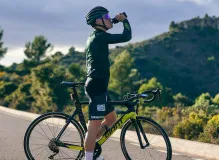
Stay Hydrated: Sports cycling can be physically demanding, especially during longer rides or in hot weather. Carry a water bottle or hydration pack with you to stay hydrated and prevent dehydration. Drink fluids regularly to maintain your performance and prevent heat-related illnesses.
-
Protective Gear: In addition to a helmet, consider wearing other protective gear such as knee pads, elbow pads, and gloves, especially if you are engaging in off-road or more extreme forms of sports cycling. These protective gears offer an extra layer of protection in case of falls or accidents.
-
Listen to Your Body: Pay attention to any signs of fatigue, discomfort, or pain during your sports cycling session. Take breaks when needed and listen to your body's cues. Pushing through excessive fatigue or ignoring pain can increase the risk of accidents and injuries.
-
Proper Warm-up and Cool-down: Before starting your sports cycling session, engage in a proper warm-up routine to prepare your muscles for the activity. This can include dynamic stretching exercises or a short ride at a slower pace. Similarly, after your ride, allocate time for a cool-down routine to allow your body to gradually return to its resting state.
By following these safety tips and precautions, you can ensure a safer and more enjoyable experience while engaging in sports cycling. Remember, your well-being and the well-being of others on the road should always be the top priority. Happy cycling!
Cycling is a sport that requires both physical endurance and mental strength. Whether you are an avid cyclist or just starting out, there are several training tips that can help you enhance your cycling performance. From proper bike fit to effective interval training, incorporating these tips into your routine can take your cycling to the next level.
-
Perfect Your Bike Fit: One of the most important factors in improving your cycling performance is ensuring your sports cycle fits you properly. An ill-fitting bike can lead to discomfort, inefficient pedaling, and even injuries. Make sure your bike's saddle height, handlebar position, and reach are adjusted to suit your body and riding style. If you're unsure about the correct fit, consider getting a professional bike fit to optimize your comfort and performance.
-
Gradually Increase Mileage: Building endurance is key to improving your cycling performance. Start by gradually increasing your mileage and incorporating longer rides into your training program. This will help your body adapt to the demands of cycling and improve your cardiovascular fitness. Tracking your progress using a cycling app or a GPS device can help you monitor your mileage and set realistic goals for improvement.
-
Incorporate Interval Training: Interval training is an effective way to boost your cycling performance. By alternating between periods of high-intensity efforts and recovery, you can enhance your cardiovascular fitness and build your anaerobic capacity. Try including intervals of sprints or hill climbs during your rides to challenge your body and improve your overall speed and power.
-
Focus on Strength Training: While cycling primarily works your lower body muscles, it's important to have a strong overall body to support your performance. Incorporate strength training exercises such as squats, lunges, and core workouts into your routine to build muscular strength and stability. A strong core can also improve your cycling posture and help prevent lower back pain.
-
Practice Proper Nutrition and Hydration: Fueling your body properly is essential for optimal cycling performance. Make sure to eat a balanced diet that includes carbohydrates, proteins, and healthy fats to provide the necessary energy for cycling. Stay hydrated before, during, and after your rides to maintain your performance and prevent dehydration.
-
Get Sufficient Rest and Recovery: Rest and recovery are crucial for improving your cycling performance. Allow your body time to recover between intense training sessions to prevent overuse injuries and mental burnout. Incorporate rest days into your training program and prioritize quality sleep to allow your muscles to repair and adapt to the demands of cycling.
By incorporating these training tips into your cycling routine, you can enhance your performance, improve your endurance, and make the most out of your sports cycle. Remember to listen to your body, stay consistent, and enjoy the process of becoming a stronger and more efficient cyclist. Happy riding!
Cycling is a thrilling adventure that allows you to explore the great outdoors while pushing your physical limits. If you're searching for thrilling adventures and invigorating workouts, then a sports cycle is your perfect companion. Whether you're a beginner or a seasoned cyclist, a sports cycle can take your riding experience to new heights. In this article, we'll delve into the world of sports cycles and help you find the perfect one to embark on an epic cycling journey.
The world of cycling offers a vast array of options when it comes to choosing the perfect sports cycle for your fitness goals. Whether you're a beginner looking to explore the world of cycling or an experienced athlete seeking to elevate your performance, finding the right sports cycle is paramount. In this article, we will take you on a journey to unlock the power of the ultimate sports cycle and help you make an informed decision. So fasten your seatbelts and let's dive into the exhilarating world of sports cycles!
🚴♂️ The Different Types of Sports Cycles
When it comes to sports cycles, there is a wide range of options to choose from. Each type of sports cycle is designed to cater to specific needs and preferences. Let's explore some popular types:
-
Road Bikes: Known for their lightweight frames and sleek designs, road bikes are designed for speed and efficiency on paved surfaces. They are ideal for long-distance rides, group rides, and competitive racing. With their drop handlebars and narrow tires, road bikes offer excellent agility and aerodynamics.
-
Mountain Bikes: If you're an adventure seeker looking to tackle off-road trails, rugged terrains, and steep inclines, mountain bikes are your best bet. These bikes are built with durable frames, wide tires with aggressive treads, and suspension systems to absorb shocks and provide better control and traction on uneven surfaces.
-
Hybrid Bikes: As the name suggests, hybrid bikes combine the best of road bikes and mountain bikes. They are versatile and suitable for a variety of terrains, including roads, gravel paths, and light trails. With a more upright riding position and wider tires, hybrid bikes offer comfort, stability, and durability.
-
Fixed Gear Bikes: Also known as fixies, these bikes are characterized by their simplicity and lack of freewheel mechanism. The pedals always move in synchronization with the wheel, providing a unique riding experience. Fixed gear bikes are popular among urban cyclists and riders who appreciate the connection between themselves and the bike.
🔍 Factors to Consider When Choosing a Sports Cycle
Now that we have explored the different types of sports cycles, let's delve into the factors you should consider when making your selection:
-
Fitness Goals: Determine your fitness goals and the type of cycling you plan to do. Are you aiming for endurance rides, off-road adventures, or fast-paced racing? Your fitness goals will help determine the type of sports cycle that best suits your needs.
-
Budget: Set a budget for your sports cycle purchase. Determine how much you are willing to invest in your cycling journey. Remember, higher-end bikes often come with advanced features and materials, but there are also great options available at lower price points.
-
Size and Fit: Ensure that the sports cycle you choose is the right size and provides a comfortable fit. A professional bike fitting can help you determine the correct frame size, handlebar reach, and saddle position for optimal comfort and performance.
-
Components and Features: Pay attention to the components and features of the sports cycle. Look for quality drivetrain systems, braking mechanisms, suspension systems (if applicable), and other features that align with your specific needs and preferences.
-
Test Ride: Whenever possible, take the potential sports cycle for a test ride. This will help you assess its handling, comfort, and overall performance. Many bike shops offer test ride opportunities, allowing you to make an informed decision.
⚖️ Comparing Different Sports Cycles
To help you visualize and compare the features of different sports cycles, we have created a comparison chart below:
| Type of Sports Cycle | Road Bike | Mountain Bike | Hybrid Bike | Fixed Gear Bike |
|---|---|---|---|---|
| Use | Paved roads, long-distance rides, group rides, racing | Off-road trails, rugged terrains, steep inclines | Roads, light trails, gravel paths | Urban riding, connection with the bike |
| Frame Material | Carbon fiber, aluminum | Aluminum, carbon fiber, steel | Aluminum, carbon fiber, steel | Steel, aluminum |
| Suspension | Minimal to none | Front and/or rear suspension | Front suspension (optional) | None |
| Tire Width | Narrow | Wide with aggressive tread | Wider than road bikes | Narrow |
| Riding Position | Forward-leaning | Upright or forward-leaning, depending on the model | Upright | Upright |
| Price Range | $$$ | $$-$$$ | $-$$$ | $-$$ |
By considering these factors and comparing the features of different sports cycles, you can make an informed decision and embark on an exciting journey with the ultimate sports cycle that aligns perfectly with your needs and goals.
Conclusion: Unleash Your Potential with the Perfect Sports Cycle
Choosing the right sports cycle is crucial for unlocking your full potential in the world of cycling. Whether you're seeking speed, endurance, adventure, or a combination of all three, there is a sports cycle out there that can take your journey to new heights. By considering your fitness goals, budget, size and fit, components and features, and testing potential cycles, you can find the perfect match. So, gear up, get ready, and embrace the power of the ultimate sports cycle on your exhilarating fitness journey! 🚴♂️🔥
When it comes to understanding the key benefits of sports cycling, it's important to consider the impact it can have on various aspects of your fitness and overall well-being. Sports cycling, also known as road cycling or competitive cycling, involves riding on paved roads using specialized bicycles designed for speed and endurance. Let's delve into some of the top benefits you can reap from incorporating sports cycling into your fitness routine.
1. Cardiovascular Health: Sports cycling is an excellent aerobic exercise that gets your heart pumping and improves cardiovascular fitness. Regular cycling sessions help strengthen your heart muscle, lower resting heart rate, and improve blood circulation throughout your body. This can greatly reduce the risk of heart disease, lower blood pressure, and increase your overall endurance.
2. Weight Management: Cycling can be an effective way to manage and maintain a healthy weight. It helps burn calories, boost your metabolism, and increase muscle mass. Riding a sports cycle at a moderate intensity can help you burn around 400-600 calories per hour, making it a great option for those looking to shed excess pounds.
3. Leg Strength and Endurance: Sports cycling primarily targets the leg muscles, including the quadriceps, hamstrings, calves, and glutes. The repetitive pedaling motion helps to build strength and endurance in these muscles, allowing you to generate more power and sustain higher levels of effort during sports activities. Stronger leg muscles also contribute to better stability and overall balance.
4. Joint-Friendly Exercise: Unlike high-impact activities like running or jumping, sports cycling is a low-impact exercise that puts minimal stress on your joints. This makes it an ideal choice for individuals of all ages, including those with joint conditions or injuries. Cycling helps improve joint mobility, strengthen the surrounding muscles, and reduce the risk of impact-related injuries.
5. Mental Well-being: Engaging in sports cycling can have a positive impact on your mental health and overall well-being. It provides an opportunity to enjoy the outdoors, connect with nature, and disconnect from the stresses of daily life. Cycling also releases endorphins, which are natural mood-boosting chemicals that help reduce stress, anxiety, and depression.
6. Social Interaction: Sports cycling can also be a great way to build social connections and engage in group activities. Joining cycling clubs or participating in organized rides allows you to meet like-minded individuals, share experiences, and motivate each other towards achieving common fitness goals.
In conclusion, sports cycling offers a wide range of benefits for both physical and mental well-being. From improving cardiovascular health and weight management to strengthening leg muscles and promoting social interaction, incorporating sports cycling into your fitness routine can have a transformative impact on your overall quality of life. So why wait? Grab a sports cycle and start pedaling your way to a healthier, fitter, and happier you!
When it comes to choosing the right equipment for your cycling adventure, finding the perfect sports cycle is crucial. The right sports cycle can make a significant difference in your overall experience and performance on the bike. Here, we'll explore key factors to consider as you embark on your search for the perfect sports cycle, ensuring you find a bike that meets your needs and enhances your cycling experience.
1. Type of Cycling: The first consideration when choosing a sports cycle is the type of cycling you plan to do. Are you interested in road cycling, mountain biking, or perhaps a combination of both? Different types of cycling have different requirements, and it's important to select a bike designed for the specific terrain and challenges you'll be facing.
2. Fitness Level: Your current fitness level is another vital factor to take into account. If you're just starting your cycling journey or prefer leisurely rides, a beginner-friendly sports cycle with a more relaxed geometry might be the best choice. On the other hand, if you're an experienced cyclist looking to push your limits, a more advanced and performance-oriented bike might be suitable to meet your needs.
3. Bike Fit: Getting the right bike fit is essential for comfort, performance, and injury prevention. Consider consulting with a professional bike fitter or visiting a local bike shop to ensure that your sports cycle is properly adjusted to your body size, proportions, and riding style. A bike that fits you well will provide better power transfer, handling, and overall efficiency on the bike.
4. Budget: Budget is an important consideration for many cyclists. Determine how much you're willing to invest in your sports cycle and prioritize features that are most important to you. Remember, while it's tempting to go for the latest and most high-end models, there are excellent sports cycles available at various price points that can still deliver outstanding performance.
5. Reviews and Recommendations: Researching reviews and seeking recommendations from other cyclists can provide valuable insights into specific sports cycles and brands. Reading about others' experiences and opinions can help you gain a better understanding of how a particular bike performs and whether it meets your specific requirements and expectations.
6. Test Rides: Whenever possible, take advantage of test rides to get a feel for how a sports cycle handles and how it fits your riding style. Many bike shops offer demo days or rental options, allowing you to try different bikes and compare them before making a final decision. Getting a firsthand experience will give you more confidence in your ultimate choice.
In summary, choosing the right sports cycle for your cycling adventure involves considering factors such as the type of cycling you plan to do, your fitness level, bike fit, budget, and seeking out reviews and recommendations. By taking these factors into account and prioritizing what matters most to you, you'll be on your way to finding a sports cycle that suits your needs and enhances your cycling enjoyment. Happy pedaling!
| Key Consideration | |
|---|---|
| Type of Cycling | |
| Fitness Level | |
| Bike Fit | |
| Budget | |
| Reviews and Recommendations | |
| Test Rides |
When it comes to achieving success in sports, proper training and preparation techniques are essential. Whether you are a professional athlete or simply looking to excel in your chosen sport, implementing effective training strategies can make a significant difference in your performance. In this blog, we will discuss some key training and preparation techniques that can help you reach your goals and maximize your potential on the field or court.
1. Set SMART Goals: Setting specific, measurable, attainable, relevant, and time-bound (SMART) goals is crucial for staying focused and motivated throughout your training journey. By defining clear goals, you can create a roadmap for success and track your progress along the way. Whether it's improving your speed, increasing your endurance, or mastering a specific skill, having SMART goals will help you stay committed and stay on track.
2. Develop a Comprehensive Training Plan: A well-rounded training plan is essential for overall athletic development. This includes a combination of cardiovascular exercise, strength training, agility drills, flexibility exercises, and sport-specific practice sessions. Balancing different types of training will help enhance your overall fitness, improve your performance, and reduce the risk of injuries.
3. Incorporate Cross-Training: Cross-training involves participating in activities outside of your main sport to improve overall fitness and prevent overuse injuries. Engaging in activities such as swimming, cycling (🚴), or yoga can help build different muscle groups, improve flexibility, and provide a mental break from your primary sport. It also adds variety to your routine, making it more enjoyable and sustainable in the long run.
4. Fuel Your Body Properly: Proper nutrition is essential for optimal performance and recovery. Make sure to fuel your body with a balanced diet that includes a mix of carbohydrates, proteins, and healthy fats. Stay hydrated by drinking enough water throughout the day and fuel your workouts with pre- and post-workout snacks or meals. Consider consulting with a sports nutritionist to create a personalized nutrition plan tailored to your specific needs and goals.
5. Prioritize Rest and Recovery: Rest and recovery are just as important as training itself. Your body needs time to repair muscle tissue, replenish energy stores, and adapt to the stress of training. Make sure to incorporate rest days into your training schedule and prioritize quality sleep to support proper recovery. Active recovery techniques such as foam rolling, stretching, and light exercises can also help in reducing muscle soreness and enhancing overall recovery.
6. Monitor Progress and Adjust Accordingly: Regularly assessing your progress is crucial for making necessary adjustments to your training plan. Keep track of key performance indicators such as speed, endurance, strength, or technique to identify areas of improvement. Based on your observations, you can modify your training plan, vary the intensity or volume of your workouts, or seek guidance from a coach or trainer to help you overcome any plateaus.
In conclusion, training and preparation play a vital role in achieving success in sports. By setting SMART goals, developing a comprehensive training plan, incorporating cross-training, fueling your body properly, prioritizing rest and recovery, and monitoring your progress, you can optimize your performance and reach new heights in your sport. Stay committed, stay disciplined, and enjoy the journey to becoming a better athlete!
Are you ready to take your athletic performance to the next level? Look no further than the ultimate sports cycle. Whether you're a professional athlete, a weekend warrior, or a fitness enthusiast, finding the right sports cycle can make all the difference in maximizing your performance and enjoyment. In this guide, we will explore everything you need to know about sports cycles, from the different types available to key features and considerations. Get ready to embark on an exhilarating journey with your ultimate sports cycle companion!
Types of Sports Cycles
When it comes to sports cycles, there are various options to choose from based on your specific needs and preferences. Let's take a look at some of the most popular types:
-
Road Bikes: Designed for speed and efficiency on paved surfaces, road bikes are lightweight and built for aerodynamics. They feature drop handlebars, thin tires, and a rigid frame to enhance speed and maneuverability. Road bikes are an excellent choice for long-distance rides, racing, and cycling on smooth roads.
-
Mountain Bikes: If your adventures take you off-road, mountain bikes are the way to go. These rugged bikes are equipped with wide, knobby tires for better traction and shock-absorbing capabilities to withstand rough terrains. Mountain bikes commonly feature suspension systems, durable frames, and flat handlebars for improved control.
-
Hybrid Bikes: Looking to combine the best of both worlds? Hybrid bikes are a versatile option that blends characteristics of road and mountain bikes. With a mix of features like a relaxed frame geometry, wider tires, and more upright handlebars, hybrid bikes are ideal for leisurely rides, commuting, and light off-road excursions.
-
Cyclocross Bikes: Built for the thrill-seekers, cyclocross bikes are designed for intense off-road racing. These bikes feature a lightweight frame, wider tires with aggressive tread patterns, and a higher bottom bracket for increased ground clearance. Cyclocross bikes excel in muddy and uneven terrains, making them perfect for adrenaline-filled challenges.
-
Track Bikes: If you have a need for speed on the velodrome, track bikes are specifically designed for track racing. These bikes have a fixed gear and no brakes, enabling riders to achieve maximum acceleration and control around a circular track. Track bikes prioritize aerodynamics and stiffness to optimize performance in competitive track events.
Key Features to Consider
When choosing a sports cycle, certain features should be taken into consideration to ensure a perfect fit for your needs. Keep the following in mind:
-
Frame Material: Sports cycles can be constructed from various materials such as carbon fiber, aluminum, titanium, and steel. Each material offers different strengths, weights, and ride characteristics. Consider your budget and desired ride qualities when selecting a frame material.
-
Bicycle Size: The correct bike size is crucial for comfort and proper body positioning while cycling. Consult a size chart or get a professional bike fit to determine the appropriate frame size based on your height and leg length.
-
Gearing System: Depending on the type of cycling you plan to do, consider the number of gears and gear ratios available. A wider range of gears is beneficial for tackling steep hills or achieving higher speed on flats.
-
Braking System: The braking system plays a critical role in your safety and control. Choose between traditional rim brakes or modern disc brakes, with the latter offering better stopping power and performance in wet conditions.
-
Suspension: If you opt for a mountain bike or a hybrid bike with off-road capabilities, consider the type and amount of suspension offered. Full suspension bikes have both front and rear shock absorbers, providing maximum comfort and control on rugged terrain.
Conclusion
Finding the right sports cycle can elevate your cycling experience and enhance your athletic performance. Consider the type of cycling you plan to do, the features that matter most to you, and your budget. Whether you're conquering challenging trails, speeding down roads, or racing on a track, your ultimate sports cycle will be your trusty companion on your journey to fitness and adventure. So, gear up, pedal on, and embrace the exhilaration that awaits you with your dream sports cycle!
Cycling is a fantastic activity that offers a wide range of benefits for both your physical and mental well-being. Whether you're a seasoned cyclist or just starting out, incorporating cycling into your routine can have a positive impact on your overall health. Let's explore some of the key benefits of cycling.
1. Cardiovascular Health: Cycling is a great way to improve your cardiovascular health. It gets your heart pumping and increases your heart rate, which helps improve blood circulation and strengthens your heart muscles. Regular cycling can reduce the risk of heart disease, lower blood pressure, and improve overall cardiovascular fitness.
2. Weight Management: Cycling is a fantastic calorie-burning activity, making it an effective way to manage your weight. Whether you're looking to lose weight or maintain a healthy weight, cycling can help you achieve your goals. It is a low-impact exercise that can be easily incorporated into your daily routine, allowing you to burn calories and shed unwanted pounds.
3. Muscle Strength and Tone: Cycling primarily targets the muscles in your lower body, including your quadriceps, hamstrings, calves, and glutes. By regularly cycling, you can strengthen and tone these muscles, which can improve your overall strength and stability. It can also help build core strength, as cycling engages the muscles in your abdomen and back as you maintain balance and posture.
4. Joint Health: Unlike high-impact activities like running, cycling is a low-impact exercise that puts less stress on your joints. This makes it an excellent choice for individuals with joint conditions or those recovering from injuries. Cycling can help increase joint flexibility and range of motion while reducing the risk of joint pain and damage.
5. Mental Well-being: Cycling not only benefits your physical health but also has a positive impact on your mental well-being. It can help reduce stress, anxiety, and depression by releasing endorphins, also known as the "feel-good" hormones. Cycling outdoors also provides an opportunity to connect with nature, enjoy the fresh air, and gain a sense of freedom and rejuvenation.
6. Eco-Friendly and Sustainable: Cycling is a sustainable mode of transportation that has minimal impact on the environment. By choosing to cycle instead of driving a car, you're reducing your carbon footprint and contributing to a greener planet. It's a great way to incorporate exercise into your daily commute while being mindful of the environment.
In conclusion, cycling offers numerous benefits for both your physical and mental well-being. It improves cardiovascular health, aids in weight management, strengthens and tones muscles, supports joint health, enhances mental well-being, and is an eco-friendly mode of transportation. So, grab a sports cycle, start pedaling, and experience the many advantages that cycling has to offer!
Subtitle: Choosing the Right Sports Cycle: Factors to Consider
When it comes to finding the perfect sports cycle for your fitness goals, there are several important factors to consider. Taking the time to evaluate these factors will ensure that you choose a cycle that suits your needs, preferences, and budget. Here are some key considerations to help you make an informed decision:
1. Type of Cycling: Think about the type of cycling you plan to do. Are you interested in road cycling, mountain biking, or perhaps a hybrid bike for both? Each type of cycling has specific requirements in terms of frame geometry, tire size, and suspension. Understanding the type of cycling you enjoy will play a significant role in selecting the right sports cycle.
2. Fitness Level: Consider your current fitness level and how it may progress over time. If you are a beginner, you may want to start with a sports cycle that offers a comfortable riding position and easy gearing. As your fitness improves, you can upgrade to a more advanced model with better components and features. It's essential to choose a cycle that complements your current fitness level and allows room for growth.
3. Budget: Determine your budget for purchasing a sports cycle. It's important to strike a balance between quality and affordability. While there are budget-friendly options available, investing in a higher-quality cycle can provide better performance, durability, and overall riding experience. Consider your budget constraints and explore different price ranges to find the best cycle that offers value for your money.
4. Frame Material: Another crucial consideration is the frame material of the sports cycle. Aluminum frames are lightweight and offer good strength and durability. Carbon fiber frames, on the other hand, provide superior vibration damping and enhanced performance. Steel frames are known for their durability and ability to absorb road vibrations. Each frame material has its advantages, so choose one that aligns with your cycling needs and preferences.
5. Bike Fit: Ensuring that the sports cycle fits you properly is vital for optimal comfort and performance. Visit a reputable bike shop or consult with a professional bike fitter to assess your body measurements and find the right frame size. A properly fitted cycle will enhance your cycling experience and prevent discomfort or potential injuries.
6. Reviews and Recommendations: Before making a final decision, take the time to read reviews and seek recommendations from fellow cyclists or trusted sources. Reading about other cyclists' experiences with different sports cycles can provide valuable insights and help you narrow down your choices. Consider factors such as performance, durability, and customer satisfaction when evaluating reviews.
By considering these factors, you can find the perfect sports cycle that meets your needs, enhances your cycling experience, and helps you achieve your fitness goals. Remember to test ride different cycles whenever possible to get a feel for their handling and comfort. So get ready to embark on your cycling journey and enjoy the benefits of owning a sports cycle tailored to your needs.
Training and conditioning play a crucial role in preparing for a cycling journey. Whether you're planning a long-distance ride, a challenging mountain trail, or a competitive race, it's essential to be physically and mentally prepared. In this section, we will discuss the key elements of training and conditioning for a successful cycling journey.
-
Building Endurance: Endurance is one of the most important factors in cycling. To gradually build your endurance, incorporate longer rides into your training regimen. Start with shorter distances and gradually increase the duration and intensity of your rides. This progressive approach allows your body to adapt and improve its ability to sustain prolonged efforts on the sports cycle.
-
Interval Training: Interval training involves alternating between high-intensity efforts and periods of active recovery. This type of training is highly effective in improving anaerobic capacity, increasing speed, and enhancing overall performance on the sports cycle. Incorporate interval workouts, such as sprint intervals or hill repeats, into your training routine to challenge your cardiovascular system and improve your power output.
-
Strength Training: Strengthening your muscles is essential for cycling performance. Focus on exercises that target the muscles used while cycling, such as the quadriceps, hamstrings, glutes, and core muscles. Incorporate exercises like squats, lunges, deadlifts, and planks into your strength training routine to improve power, stability, and overall athletic performance.
-
Flexibility and Mobility: Cycling requires a good range of motion in the hips, hamstrings, and lower back. Incorporating stretching exercises and mobility drills into your routine can help prevent muscle imbalances, enhance your cycling posture, and reduce the risk of injuries. Prioritize exercises that target areas prone to tightness, such as hip flexors, calves, and lower back.
-
Nutrition and Hydration: Proper nutrition and hydration are crucial for fueling your body and optimizing performance on the sports cycle. Maintain a balanced diet that includes carbohydrates for energy, protein for muscle repair, and healthy fats for endurance. Hydrate before, during, and after your rides to replace fluids lost through sweat and prevent dehydration.
-
Rest and Recovery: Rest and recovery are as important as training itself. Allow your body sufficient time to rest and repair between training sessions. Adequate sleep, active recovery activities like foam rolling or gentle stretching, and rest days are essential for avoiding overtraining and promoting optimal performance on the sports cycle.
Remember, consistency is key when it comes to training and conditioning for a cycling journey. Gradually increase the intensity and duration of your training, listen to your body, and make adjustments as needed. With proper training and conditioning, you'll be well-prepared to embark on your cycling adventure and enjoy every moment on the sports cycle.
Cycling enthusiasts are always on the lookout for new and exciting routes to explore. If you're searching for scenic destinations that offer breathtaking views, challenging terrains, and a memorable cycling experience, look no further. In this blog, we will take you on a journey to some of the most beautiful cycling destinations around the world. So grab your sports cycle, pack your gear, and get ready for an adventure like no other!
-
🌄 Amalfi Coast, Italy: Known for its stunning coastline and charming villages, the Amalfi Coast is a dream destination for cyclists. With winding roads that offer panoramic views of the Mediterranean Sea, cyclists can enjoy a challenging ride while soaking in the beauty of the Italian Riviera. Don't miss the picturesque towns of Positano and Ravello as you pedal through this enchanting region.
-
🏔️ Cape Town, South Africa: With its diverse landscapes and breathtaking scenery, Cape Town is a haven for cyclists. From the majestic Table Mountain to the scenic coastal routes, this city offers a range of cycling options for all skill levels. Enjoy a ride along the famous Chapman's Peak Drive or venture into the Cape Winelands for a picturesque countryside experience.
-
🌳 Lake District, England: Nestled in Northwest England, the Lake District is a cyclist's paradise. With its rolling hills, tranquil lakes, and charming villages, this region offers a picturesque backdrop for a cycling adventure. Explore the iconic Windermere, Keswick, and Ambleside as you immerse yourself in the natural beauty of this UNESCO World Heritage site.
-
🏞️ Banff National Park, Canada: For those seeking a combination of rugged landscapes and thrilling cycling trails, Banff National Park is the ultimate destination. Located in the heart of the Canadian Rockies, this national park boasts stunning mountain vistas, turquoise lakes, and an extensive network of trails suitable for all skill levels. Prepare to be awe-struck by the beauty of places like Lake Louise and Moraine Lake as you pedal through this pristine wilderness.
-
🌅 Mallorca, Spain: Known as a popular training destination for professional cyclists, Mallorca offers a mix of challenging climbs and scenic coastal routes. With its mild climate, diverse terrain, and well-maintained cycling infrastructure, this Mediterranean island caters to cyclists of all abilities. Explore the Serra de Tramuntana mountain range or enjoy a leisurely ride along the island's stunning coastline.
-
🏰 Loire Valley, France: Experience the charm of the French countryside as you cycle through the historic Loire Valley. With its majestic châteaux, vineyards, and quaint villages, this region offers a unique blend of culture and natural beauty. Follow the Loire River as you pedal past iconic castles like Château de Chambord and Château de Chenonceau, immersing yourself in the rich history of this UNESCO World Heritage site.
So whether you're looking for breathtaking coastal roads, scenic mountain trails, or idyllic countryside routes, these destinations are sure to leave you inspired and in awe of the beauty that the world has to offer. Grab your sports cycle, plan your adventure, and get ready to create memories that will last a lifetime. Happy cycling!
Cycling is a fantastic way to stay active and enjoy the outdoors, but it's important to prioritize safety to ensure a pleasant and injury-free experience. Whether you're a beginner or an experienced cyclist, here are some essential tips to keep in mind for a safe and enjoyable cycling adventure.
-
Wear a Helmet: Always wear a properly fitted helmet when cycling. This is the most crucial safety precaution you can take to protect your head in case of a fall or collision. Make sure the helmet is certified and meets the safety standards set by the appropriate authorities.
-
Check Your Equipment: Before heading out, give your sports cycle a quick inspection. Check the brakes, tires, gears, and lights to ensure they are functioning properly. If you notice any issues, get them fixed before your ride.
-
Be Visible: Increase your visibility to other road users by wearing bright or reflective clothing, especially if you're cycling during low-light conditions. Use reflective accessories or attach reflective strips to your cycling gear and sports cycle to make yourself more easily seen.
-
Follow Traffic Rules: Treat your sports cycle as if it were a vehicle and follow all traffic laws and signals. Obey traffic signs, use hand signals when turning or stopping, and ride in the same direction as traffic flow. Be aware of your surroundings and anticipate the actions of motorists.
-
Stay Alert: Pay attention to your surroundings at all times. Avoid distractions such as using your mobile phone or listening to music with earphones. Keep your focus on the road, other vehicles, pedestrians, and potential hazards.
-
Use Hand Signals: Communicate your intentions to other road users by using proper hand signals. This helps motorists and other cyclists understand which way you're turning or if you're stopping.
-
Be Predictable: Ride in a straight line, maintain a consistent speed, and avoid sudden maneuvers or swerving. Be predictable to other road users, giving them a clear idea of your actions.
-
Be Mindful of Blind Spots: Stay out of the blind spots of motorists, especially large vehicles. If you can't see their mirrors, it's likely they can't see you either. Pass quickly and safely, or hang back until you have a clear and safe opportunity to overtake.
-
Stay Hydrated and Fuelled: Cycling can be physically demanding, especially on longer rides. Stay hydrated by drinking water regularly and carry some healthy snacks or energy bars to keep your energy levels up.
-
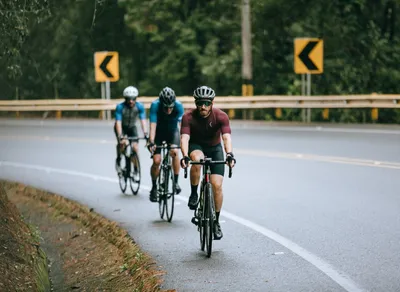
Ride with a Buddy: Whenever possible, cycle with a friend or join a cycling group. Not only does this enhance safety by increasing visibility, but it also adds to the enjoyment of the cycling experience.
Remember that safety should always be a priority when cycling. By following these essential tips, you can ensure a wonderful and incident-free sports cycle journey. So grab your helmet, check your equipment, and hit the road for an enjoyable and safe cycling adventure!
Proper nutrition and hydration play a crucial role in optimizing your performance while cycling. Whether you're a competitive athlete or simply enjoy recreational rides, fueling your body with the right nutrients and maintaining proper hydration levels can help improve your endurance, prevent muscle fatigue, and enhance recovery. In this section, we will explore some key nutrition and hydration tips to keep in mind for optimal performance on your sports cycle.
1. Stay Hydrated: Hydration is essential for maintaining optimal performance and preventing dehydration during your rides. Ensure you drink water before, during, and after your cycling sessions. Sip on water regularly, aiming for at least 8-10 glasses per day. If you're engaging in intense or prolonged rides, consider carrying a sports drink or electrolyte solution to replenish the electrolytes lost through sweat. Staying hydrated will help prevent muscle cramps and fatigue, and enhance your overall performance.
2. Fuel with Carbohydrates: Carbohydrates are your body's primary source of energy during physical activity. Prioritize consuming carbohydrates in your pre-ride meal or snack to ensure adequate glycogen stores. Opt for complex carbohydrates such as whole grains, fruits, and vegetables, which provide sustained energy. During long rides, consume easily digestible carbohydrates like energy gels, sports drinks, or bananas to maintain energy levels. Carbohydrate-rich foods will provide the energy you need to power your sports cycle.
3. Include Protein for Recovery: Protein is crucial for muscle repair and recovery. Ensure you consume an adequate amount of protein after your rides to help rebuild muscle tissue and enhance recovery. Incorporate lean sources of protein such as chicken, fish, tofu, or legumes in your post-ride meals. Additionally, consider consuming a protein shake or bar within 30 minutes after your ride for quick absorption and optimal recovery. Protein-rich foods aid in muscle repair and promote overall recovery.
4. Don't Forget About Healthy Fats: While carbohydrates are essential for immediate energy, healthy fats play a role in providing sustained energy and supporting overall health. Include sources of healthy fats like avocados, nuts, seeds, and olive oil in your meals. These fats can help provide a steady release of energy during longer rides and contribute to overall satiety. Healthy fats provide a steady source of energy for your sports cycle journey.
5. Timing is Key: Pay attention to the timing of your meals and snacks to optimize your performance. Consume a balanced meal or snack containing carbohydrates and protein 2-3 hours before your ride to ensure proper digestion and fuel availability. During longer rides, aim to consume smaller, frequent snacks to maintain energy levels without feeling weighed down. After your ride, prioritize consuming a post-workout meal or snack within the first hour to promote optimal recovery and replenishment of glycogen stores. Proper timing of your meals and snacks will support your performance on the sports cycle.
6. Listen to Your Body: Every cyclist is unique, and what works for one person may not work for another. It's important to listen to your body and experiment with different nutrition strategies during training rides to find what works best for you. Pay attention to how your body responds to different foods and drinks and make adjustments accordingly. Listening to your body will help you determine the optimal nutrition and hydration approach for your sports cycle rides.
In conclusion, proper nutrition and hydration are essential components of optimizing performance on your sports cycle. Stay properly hydrated, fuel your rides with carbohydrates, include protein for recovery, don't forget about healthy fats, pay attention to timing, and listen to your body. By following these tips, you can ensure that your body is fueled and ready to perform at its best on every ride. So, hop on your sports cycle, fuel up, and enjoy the journey!
There's no denying that cycling is a fantastic way to stay fit and enjoy the great outdoors. It's an activity that can be enjoyed by people of all ages and fitness levels. Whether you're a beginner or an experienced cyclist, there are always ways to take your cycling to the next level and improve your skills. In this blog post, we will explore some advanced techniques and skills that will help you become a more proficient cyclist.
1. Mastering Cornering: When it comes to cycling, being able to navigate corners efficiently and smoothly is essential. Proper cornering technique not only allows you to maintain speed but also ensures your safety. One technique to master is leaning your body and bike into the turn while keeping your inside pedal up. This lowers your center of gravity and allows you to take corners with more control and speed. Practice on a variety of corners and gradually increase your speed to develop the necessary skills.
2. Climbing with Power: Climbing can be challenging, especially when faced with steep inclines or long hills. Improving your climbing skills requires a combination of strength, power, and efficient technique. Pay attention to your cadence and gear selection, aiming for a steady rhythm that allows you to maintain power without straining your muscles. Focus on engaging your core, keeping your upper body relaxed, and distributing your weight evenly on the bike. Incorporating hill repeats and interval training into your workouts can also help build endurance and improve climbing ability.
3. Descending with Confidence: While climbing requires strength and endurance, descending requires courage and control. Being able to descend with confidence and ease is crucial for competitive cycling and for taking your overall performance to the next level. Start by practicing on gradual descents and gradually work your way up to steeper sections. Maintain a low, balanced position on your bike, keeping your weight centered and your arms relaxed. Look ahead, anticipate any turns or obstacles, and use your brakes judiciously. With practice, you'll gain confidence and be able to descend more efficiently and with greater control.
4. Group Riding Skills: Group rides are a great way to improve your cycling skills and experience the camaraderie of riding with others. To maximize the benefits of group riding, it's important to develop the necessary skills to ride safely and effectively in a group. Learn how to draft and maintain proper spacing with other riders, communicate effectively through hand signals and verbal cues, and be aware of your surroundings at all times. Practice group riding skills with experienced cyclists or consider joining a local cycling club or team.
5. Bike Maintenance and Repair: As an advanced cyclist, it's crucial to have a basic understanding of bike maintenance and repair. Knowing how to handle common issues such as flat tires, chain maintenance, and brake adjustments can save you time and frustration on the road. Take the time to learn how to change a tire, clean and lubricate your chain, and perform routine maintenance tasks. Additionally, it's a good idea to carry a small toolkit and know how to make minor adjustments to your bike while out on a ride.
By incorporating these advanced techniques and skills into your cycling routine, you can take your riding to new levels and enjoy even greater benefits from this wonderful sport. Remember to always ride responsibly, wear the appropriate safety gear, and continue to challenge yourself while maintaining a love for cycling. Happy riding!
When pursuing any sport or physical activity, it is inevitable to face challenges along the way. These challenges can come in various forms, both physical and mental. However, by developing the right mindset and employing effective strategies, you can overcome these barriers and continue to progress in your athletic journey. In this blog, we will explore some practical tips to help you push through physical and mental obstacles and achieve your sports goals.
1. Goal Setting and Visualization: Setting clear and specific goals is crucial for overcoming challenges. Whether it's improving your performance, achieving a personal best, or mastering a new skill, having a clear target in mind provides direction and motivation. Additionally, practice visualization techniques, where you vividly imagine yourself successfully overcoming obstacles and achieving your goals. This mental rehearsal helps create a positive mindset and prepares you for tackling challenges head-on.
-
Building Physical Resilience: Physical challenges can range from fatigue and muscle soreness to injuries and setbacks. To overcome these obstacles, it is essential to prioritize rest and recovery. Allow your body sufficient time to heal and rebuild. Incorporate proper nutrition, hydration, and sleep into your routine to optimize your body's resilience. Gradually progress your training, allowing your body to adapt and build strength gradually. Remember, consistency and patience are key to long-term success.
-
Positive Self-Talk and Mindset: Your mindset plays a significant role in how you perceive and handle challenges. Adopting a positive and growth-oriented mindset can help you push through difficult times. Practice positive self-talk and replace negative thoughts with affirmations and encouragement. Believe in your abilities and focus on the progress you have made so far, rather than dwelling on setbacks. Embrace challenges as opportunities for growth and learning, and trust in your ability to overcome them.
-
Seeking Support and Accountability: Surround yourself with a supportive network of coaches, teammates, or like-minded individuals who can provide guidance and motivation. Communicate your challenges with them and seek their advice and support. Having someone to share your journey with can significantly boost your morale and keep you accountable. Additionally, consider working with a sports psychologist or mental coach to develop strategies for overcoming mental barriers and maintaining a strong mental game.
-
Adapting and Learning from Setbacks: Setbacks are inevitable in any sports journey. Instead of viewing them as failures, see them as opportunities for growth. Analyze the obstacles you face and identify areas for improvement. Learn from your mistakes and make adjustments to your training or approach. Often, setbacks can lead to breakthroughs if you approach them with a growth mindset and a willingness to adapt.
Conclusion
Overcoming physical and mental barriers is an integral part of any athlete's journey. By setting clear goals, building physical resilience, cultivating a positive mindset, seeking support, and learning from setbacks, you can push through challenges and continue to progress in your sport. Remember, the road to success is not always smooth, but with determination and the right strategies, you can overcome any obstacle that comes your way. Stay focused, stay motivated, and keep pushing forward towards your sports goals!
Embarking on a fitness journey is a transformative experience that can lead to personal growth and achievement. One popular option for fitness enthusiasts is the sports cycle, a versatile and effective piece of equipment that allows individuals to engage in various forms of cycling. Whether you're a beginner or an experienced cyclist, riding a sports cycle can offer numerous benefits that contribute to your overall well-being.
With a wide range of sports cycles available in the market, it's important to find the model that best suits your needs and preferences. Let's explore some key factors to consider when selecting a sports cycle:
1. Purpose and Riding Style: Determine the purpose of your cycling activities. Are you planning to ride primarily on roads, trails, or indoors? Different types of sports cycles cater to specific riding styles. Road bikes are designed for speed and efficiency on paved surfaces, while mountain bikes are built to handle rough terrains. Indoor cycling bikes, on the other hand, are designed for stationary workouts and offer adjustable resistance levels.
2. Frame Material: The material used for the frame plays a significant role in the overall performance and durability of the sports cycle. Common frame materials include aluminum, carbon fiber, and steel. Aluminum frames are lightweight and provide a responsive ride. Carbon fiber frames offer excellent shock absorption and vibration dampening, making them ideal for long rides. Steel frames provide durability and a smooth ride, but they tend to be heavier. Consider your priorities and choose a frame material that aligns with your needs.
3. Fit and Comfort: Proper fit and comfort are essential for an enjoyable and effective cycling experience. Sports cycles come in various sizes, and finding the right fit for your body proportions is crucial. Consider the bike's geometry, such as the frame size, top tube length, and handlebar position, to ensure a comfortable riding posture. Adjustable features, like the saddle height and handlebar height, allow for personalized customization. Test-riding different models can help you determine which sports cycle offers the best fit and comfort for your body type.
4. Components and Gearing: Pay attention to the components and gearing system of the sports cycle. High-quality components, such as brakes, derailleurs, and shifters, contribute to smoother and more precise gear changes. Different gearing options, such as a wide range of gear ratios or a single-speed system, influence the bike's versatility and suitability for various terrains. Consider your riding preferences and the terrain you plan to conquer to select a sports cycle with the appropriate components and gearing.
5. Budget: Your budget is a significant factor in choosing a sports cycle. Determine what price range you're comfortable with and research models within that range. While high-end sports cycles may offer advanced features and materials, there are also budget-friendly options that provide great performance and durability. Remember to factor in additional costs such as accessories, maintenance, and potential upgrades when establishing your budget.
In conclusion, selecting the right sports cycle is a crucial step towards achieving your fitness goals and enjoying the journey of personal growth and achievement. Consider the purpose of your cycling activities, frame material, fit and comfort, components and gearing, and your budget when making your decision. By finding the perfect sports cycle for you, you'll be well-equipped to embark on a fulfilling and rewarding fitness adventure. Happy cycling! 🚴♀️🚴♂️
Content You May Be Interested In




 Productivity
 Productivity