For over long years, we have diligently conducted independent research and product testing. When you make a purchase through our links, we may earn a commission.
Discover the Thrills of Cycling in the Iconic Volta a Portugal Race!

Created: 3 weeks ago
100 min Read
Introduction to the Volta a Portugal cycling race
The Volta a Portugal is an annual cycling race held in Portugal. It is one of the most prestigious and challenging events in the professional cycling calendar. 🚴♂️
History of the Volta a Portugal
The Volta a Portugal was first organized in 1927 and has since become a beloved tradition in Portuguese sports. 🇵🇹 Over the years, the race has grown in popularity, attracting both local and international cyclists seeking to test their skills on the challenging terrain of Portugal.
Race Format and Length
The Volta a Portugal is a multi-stage race that typically spans over two weeks, covering various regions of Portugal. 🗺️ Each stage offers a different landscape and level of difficulty, including mountainous terrains, sprint stages, and time trials. The total distance of the race varies each year and is divided into several stages, with each stage spanning between 100-200 kilometers.
Notable Features of the Volta a Portugal
One of the defining features of the Volta a Portugal is its mountain stages. These challenging routes attract both climbers and spectators eager to witness exciting battles for the King of the Mountains classification. Some of the most famous mountains included in the race are the Serra da Estrela and the Alto da Torre. ⛰️
The Volta a Portugal also incorporates intermediate sprints throughout the stages, providing opportunities for sprinters to showcase their speed and skill. These sprints add an extra element of excitement to the race and often lead to intense battles for the green jersey. 🥇
Prestigious Winners
Over the years, the Volta a Portugal has seen some impressive winners. Cyclists such as Joaquim Agostinho, Marco Chagas, and Rui Costa have all left their mark on the race's history. These talented riders have become legends in the cycling world, thanks in part to their victories in the Volta a Portugal. 🏆
Conclusion
The Volta a Portugal is a thrilling event that showcases the beauty of Portugal's landscapes and the strength of its cyclists. Whether it's the challenging mountain stages, the intense sprints, or the prestigious winners, this race has something for every cycling enthusiast to enjoy. So lace up your shoes, hop on your bike, and get ready to experience the excitement of the Volta a Portugal! 🚴♀️🇵🇹
History and Significance of the Volta a Portugal Race
The Volta a Portugal is more than just a cycling race. It is a symbol of tradition, passion, and resilience within the Portuguese sporting community. Since its inception in 1927, this prestigious race has captivated audiences and showcased the country's rich cycling heritage.
History of the Volta a Portugal
The Volta a Portugal was first organized in 1927, making it one of the oldest cycling races in Europe. It was originally established to promote cycling as a sport and encourage Portuguese riders to compete at an international level. Throughout its history, the race has undergone many transformations, adapting to evolving cycling trends and advancing technology.
Significance of the Volta a Portugal
Over the decades, the Volta a Portugal has become a prominent event in the international cycling calendar. It attracts professional teams from around the world and showcases the stunning landscapes and diverse terrains of Portugal. As a result, it has gained recognition as one of the most challenging and prestigious races in the cycling world.
Competitive Spirit
The Volta a Portugal brings together top-level riders who battle it out for glory and prestigious titles. The race demands stamina, skill, and a strategic approach, as cyclists navigate through grueling mountain stages, intense sprints, and time trials. Riders push themselves to the limit, showcasing their physical and mental capabilities, which creates an exciting spectacle for spectators.
National Pride
The Volta a Portugal holds a special place in the hearts of the Portuguese people. It represents a celebration of national identity and a way for communities to come together to support their favorite riders. The race traverses various regions of Portugal, allowing spectators to experience the atmosphere and excitement firsthand. Crowds line the streets, waving flags, and cheering on their heroes, creating an unforgettable atmosphere of unity and pride.
Economic Impact
Beyond its cultural significance, the Volta a Portugal also has a positive economic impact. The race attracts tourists and visitors from around the world, boosting local businesses and promoting tourism in the regions it passes through. Hotels, restaurants, souvenir shops, and other businesses benefit from the influx of visitors during the race, making it a vital event for the local economy.
Inspiration and Legacy
The Volta a Portugal has long inspired young cyclists across Portugal, providing a platform for them to dream big and pursue their passion for the sport. Many talented riders have emerged from the race, going on to achieve international success. Their achievements serve as a testament to the influence and significance of the Volta a Portugal in shaping the future of Portuguese cycling.
Conclusion
The Volta a Portugal is more than just a race. It is a cherished part of Portuguese sporting history and culture. Its rich history, competitive spirit, national pride, economic impact, and lasting legacy make it a truly unique and treasured event within the world of cycling. So, whether you're a cycling enthusiast or simply curious about this beloved race, the Volta a Portugal guarantees an unforgettable experience for all involved.
Routes and stages of the Volta a Portugal
The Volta a Portugal features a diverse range of routes and stages, each presenting its own unique challenges and showcasing the beauty of different regions in Portugal. Cyclists participating in the race must navigate through various terrains, including mountains, plains, and coastal roads. Let's take a closer look at the routes and stages that make up this prestigious event:
###🏞️ Mountain Stages
The Volta a Portugal is known for its demanding mountain stages, where riders face steep climbs and breathtaking descents. These stages often determine the overall outcome of the race and require exceptional climbing skills. Some notable mountain ranges featured in the race include the Serra da Estrela and the Alto da Torre.
###🌊 Coastal Stages
Portugal's stunning coastline is also incorporated into the Volta a Portugal. These stages provide a unique and picturesque backdrop for the race, with cyclists zipping along coastal roads and battling strong sea winds. The scenic views and challenging terrain make these stages a favorite among spectators and riders alike.
###🌄 Plain Stages
In addition to the mountainous and coastal stages, the Volta a Portugal also includes flat or "plain" stages. These stages are ideal for sprinters, as they generally have fewer climbs and allow for high-speed racing. Riders competing in these stages rely on their speed and tactics to secure stage victories and points for the sprint classification.
###🔄 Individual Time Trials
Time trials are another integral part of the Volta a Portugal. These stages involve riders racing against the clock, individually tackling a set distance. Time trial stages showcase a cyclist's ability to maintain high speeds and efficient aerodynamics. They are crucial for determining the general classification and identifying the race's strongest riders against the clock.
Conclusion
The variety of routes and stages in the Volta a Portugal ensures an exciting and challenging race for participants and an engaging experience for fans. From grueling mountain climbs to breathtaking coastal roads and adrenaline-fueled sprints, the race showcases the beauty and diversity of Portugal's landscapes. Whether you're a fan of epic climbs or thrilling sprint finishes, the Volta a Portugal has something for every cycling enthusiast to enjoy.
The challenges and terrain faced by cyclists in the Volta a Portugal race
The Volta a Portugal is known for its challenging terrain, which puts cyclists to the test both physically and mentally. From steep ascents to fast descents, riders must navigate a variety of landscapes throughout the race. Let's take a closer look at some of the challenges and terrain encountered by cyclists in this prestigious event.
Mountainous Terrain: One of the defining features of the Volta a Portugal is its mountain stages. These stages often involve grueling climbs that can be demanding on the riders' strength and endurance. Cyclists must conquer steep gradients, navigate hairpin turns, and push themselves to the limit to reach the mountain peaks. These mountain stages not only test the cyclists' climbing abilities but also provide breathtaking views of the Portuguese landscape.
- Cobblestone Sections: In addition to the mountainous terrain, cyclists in the Volta a Portugal may also encounter cobblestone sections. These uneven surfaces can be treacherous, requiring riders to maintain balance and stability throughout. The vibrations from riding on the cobblestones can also add an additional challenge, causing fatigue and discomfort.
Wind and Weather Conditions: Another factor that adds to the difficulty of the race is the unpredictable weather conditions. Cyclists may face strong headwinds, crosswinds, or even extreme heat during certain stages. These conditions can significantly impact performance and strategy, as riders must adapt their tactics to work with or against the elements.
- Urban Challenges: Alongside the natural terrain, the Volta a Portugal also features urban stages that take cyclists through city streets and narrow roads. These sections require precise bike handling skills and quick decision-making as riders navigate through traffic, sharp turns, and potential obstacles.
In conclusion, the Volta a Portugal presents a wide array of challenges and terrain for its participants. From the grueling mountain stages to the cobblestone sections and the ever-changing weather conditions, cyclists must overcome a multitude of obstacles to succeed in this prestigious race. It is these physical and mental challenges that make the Volta a Portugal a true test of skill, endurance, and determination for the riders.
Notable Participants and Teams in the Volta a Portugal
The Volta a Portugal attracts top cyclists and renowned teams from around the world. These riders and teams bring their skills, tactics, and determination to compete in one of the most challenging races in the cycling calendar. Let's take a closer look at some of the notable participants and teams that have left their mark on the Volta a Portugal.
Riders to Watch
Joaquim Agostinho: A legendary Portuguese cyclist, Agostinho is considered one of the greatest riders in the history of the Volta a Portugal. He has multiple victories under his belt and is known for his climbing abilities and endurance.
Filippo Ganna: This Italian rider has made a name for himself in both road cycling and track cycling. With his impressive time trial skills, Ganna has become a force to be reckoned with in the Volta a Portugal.
Marta Bastianelli: A standout female cyclist, Bastianelli has made a name for herself in the Volta a Portugal. Her determination and sprinting abilities have earned her victories in multiple stages.
Prominent Teams
Deceuninck-Quick-Step: This Belgian-based team has a stellar reputation in the world of professional cycling. Their roster of talented riders and strategic approach to racing have made them a formidable force in the Volta a Portugal.
Team INEOS: Formerly known as Team Sky, Team INEOS has dominated the professional cycling scene in recent years. With a strong lineup of riders and exceptional team tactics, they are a force to be reckoned with in the Volta a Portugal.
EF Education-Nippo: Known for their emphasis on teamwork and developing young talent, EF Education-Nippo has become a prominent team in the Volta a Portugal. Their riders often surprise with impressive performances in various stages of the race.
Conclusion
The Volta a Portugal is not just a test of individual strength, but also a showcase of teamwork and strategy from the participating teams. With notable participants like Joaquim Agostinho, Filippo Ganna, and Marta Bastianelli, along with prominent teams like Deceuninck-Quick-Step, Team INEOS, and EF Education-Nippo, the Volta a Portugal promises thrilling battles and exciting racing for both riders and spectators alike.
Cyclists participating in the Volta a Portugal employ various strategies and tactics to gain a competitive edge over their rivals. From attacking on climbs to utilizing slipstreaming techniques, these athletes have a bag of tricks to help them navigate the challenges of the race. Let's take a closer look at some of the key strategies used by cyclists in the Volta a Portugal.
Attacking and Breakaways
One of the most common strategies employed by cyclists is launching attacks and forming breakaways. This tactic involves riders accelerating and breaking away from the main peloton in an attempt to gain a substantial time advantage. By working together with other escapees, they can increase their chances of staying ahead until the finish line. Timing and teamwork are crucial when executing an attack or joining a breakaway.
Drafting and Slipstreaming
In a race like the Volta a Portugal, where every second counts, cyclists often use the technique of drafting or slipstreaming. By closely following behind another rider, they can take advantage of the reduced wind resistance. This allows them to conserve energy and maintain a high speed while expending less effort. The peloton, or main group of riders, also benefit from this technique as they rotate positions at the front, sharing the workload and maximizing efficiency.
Strategic Positioning
Positioning within the peloton plays a vital role in the success of a cyclist. Riders often vie for strategic positions at the front of the bunch, known as the "head of the race." This allows them to have better control over the pace, respond more quickly to attacks, and have a clear line of sight for potential obstacles on the road. Smart positioning can also help riders navigate through tight corners and technical sections, reducing the risk of crashes or getting caught behind slower riders.
Timing and Sprinting
Sprint stages in the Volta a Portugal require a different set of skills. Riders with explosive power and speed excel in these flat sections, where the finish line is typically determined in a fierce sprint. Timing is crucial, as sprinters need to judge when to unleash their full potential and outpace their rivals. The ability to read the race, anticipate other riders' moves, and conserve energy for that final burst of speed is essential in sprint stages.
Adaptability and Resilience
Lastly, successful cyclists in the Volta a Portugal must be adaptable and resilient. The race features a wide range of terrains, from grueling mountain climbs to fast-paced flat stages. Riders need to adjust their strategies and tactics accordingly, playing to their strengths while managing the demands of each stage. Staying mentally focused, maintaining physical endurance, and having the ability to respond to unexpected challenges are qualities that set successful riders apart.
In conclusion, the strategies and tactics employed by cyclists in the Volta a Portugal are diverse and dynamic. From attacking and breakaways to drafting and sprinting, each move is strategically calculated to gain an advantage over competitors. The ability to adapt to different terrains and maintain resilience throughout the race is crucial in achieving success in this prestigious cycling event.
The Volta a Portugal race has had a significant impact on both the local and international cycling communities. Its popularity has grown steadily over the years, attracting not only avid cycling fans but also casual spectators who are drawn to the excitement and camaraderie of the event.
Community Engagement
One of the reasons for the race's popularity is the high level of community engagement it fosters. Local towns and villages along the route often come together to decorate the streets, cheering on the cyclists as they pass by. This sense of community support creates a festive atmosphere and encourages riders to push themselves to the limit.
Boosting Tourism
The Volta a Portugal has also played a role in boosting tourism in the regions it traverses. With its stunning landscapes and challenging routes, the race showcases the natural beauty of Portugal to a global audience. Many international visitors are inspired to visit the country and explore its cycling routes, contributing to the local economy and promoting Portugal as a top cycling destination.
Economic Impact
The race's popularity has a measurable economic impact on the host regions. Local businesses, such as hotels, restaurants, and souvenir shops, experience increased patronage during the race as fans and support teams flock to the area. The event also provides opportunities for local vendors to sell merchandise and food, contributing to the local economy.
Media Exposure
The Volta a Portugal's prominence within the cycling world has attracted media attention from both local and international outlets. This media exposure not only highlights the race but also puts the spotlight on Portugal as a whole. The coverage helps to promote the country's culture, tourism, and sporting achievements, further increasing its global reputation.
Inspiring the Next Generation
The Volta a Portugal serves as a source of inspiration for aspiring cyclists in Portugal. The race showcases the talent and dedication of local riders and encourages young athletes to pursue their cycling dreams. This inspiration is vital in nurturing and developing future generations of Portuguese cyclists, who can eventually compete on both national and international stages.
In conclusion, the impact and popularity of the Volta a Portugal race extend far beyond the cycling community. The race generates community engagement, boosts tourism, has a significant economic impact, garners media exposure, and inspires the next generation of cyclists. With its rich history and continued growth, the Volta a Portugal is poised to remain a beloved event that brings communities together and shines a spotlight on the beauty and athleticism of Portugal.
Spectator experience and opportunities for fans
The Volta a Portugal not only provides an exhilarating experience for the cyclists, but also offers a memorable and engaging experience for spectators. Fans have the opportunity to witness the race up close, cheer for their favorite teams and riders, and immerse themselves in the excitement of the event.
Where to Watch
Spectators can choose from a variety of locations along the race route to catch the action. Popular viewing spots include the start and finish lines of each stage, as well as key points along the route where riders face challenging climbs or thrilling sprints. These locations often attract larger crowds, creating a lively and festive atmosphere.
Fan Interaction
One of the unique features of the Volta a Portugal is the accessibility fans have to the teams and riders. Spectators can get up close and personal with the cyclists during the race, offering cheers of support or words of encouragement. They can also take advantage of photo opportunities, get autographs, and engage in conversations with their favorite riders.
Cultural Celebrations
In addition to the cycling action, the Volta a Portugal showcases the cultural heritage of the host regions. Local communities often organize festivals, live music performances, and food stalls to celebrate the race. This provides a fantastic opportunity for spectators to not only enjoy the competitive aspect of the event but also to immerse themselves in the vibrant local culture and traditions.
Volunteer and Participate
For fans who want to be more actively involved in the Volta a Portugal, there are various volunteering opportunities available. Volunteers play a crucial role in supporting the race by assisting with logistics, crowd management, and event organization. This is an excellent chance for fans to contribute their time and energy while being a part of this prestigious sporting event.
Conclusion
The Volta a Portugal offers an exciting and engaging experience for both cyclists and spectators alike. Whether you choose to watch the race from strategic viewing spots, interact with the teams and riders, embrace the local culture, or volunteer your time, there are numerous opportunities for fans to be a part of this thrilling event. So, mark your calendars and get ready to be swept up in the excitement of the Volta a Portugal!
The Volta a Portugal plays a crucial role in promoting cycling as a sport in the country. 🚴♂️ This annual race attracts both professional riders and cycling enthusiasts, providing a platform to showcase their skills and passion for the sport.
By organizing and hosting the Volta a Portugal, the Portuguese cycling federation aims to inspire and encourage more people to take up cycling. The race serves as a prime example of the physical and mental endurance required to compete in cycling at a professional level. 🏆
The Volta a Portugal also serves as a platform for young and aspiring cyclists to showcase their talent and catch the attention of professional teams. The exposure gained through participating in the race can open doors for these athletes, providing them with opportunities to pursue a career in cycling.
Moreover, the Volta a Portugal generates significant media coverage and public interest, further contributing to the promotion and growth of the sport. The race attracts both local and international spectators, who gather along the route to cheer on the riders. This creates a vibrant atmosphere and fosters a sense of community around cycling.
In addition to its promotional impact on the sport itself, the Volta a Portugal also benefits the local economy. The race attracts tourists from all over the world, who come to witness this thrilling event. These visitors contribute to the growth of the hospitality industry, supporting local businesses such as hotels, restaurants, and shops.
Overall, the Volta a Portugal plays a significant role in promoting cycling as a sport in Portugal. By showcasing the physical and mental challenges of the race, providing opportunities for emerging talent, and generating public interest, this prestigious event contributes to the growth and development of cycling in the country. 🇵🇹🚴♀️
The Volta a Portugal race is not just for the professional cyclists but also for the fans and spectators who embrace the excitement and energy that surrounds this thrilling event. 🚴♀️ The race offers a unique opportunity to witness the incredible athleticism and determination of the cyclists as they navigate the challenging terrains and compete for glory.
By attending the Volta a Portugal race, fans can immerse themselves in the electrifying atmosphere that envelops the event. From the cheering crowds to the dramatic finishes, every moment is filled with anticipation and excitement. 🎉
For cycling enthusiasts, the Volta a Portugal race is a chance to see their favorite riders in action and witness some of the sport's greatest moments. Whether it's watching a daring breakaway, an intense sprint finish, or an epic climb up a mountain, the race provides endless thrills and memorable experiences.
But the Volta a Portugal is not just about the competition. It's also an opportunity to explore the beautiful landscapes and unique regions of Portugal. Spectators can travel from one stage to another, discovering charming towns, picturesque countryside, and vibrant cities along the way. 🏞️
As the race comes to a close, the excitement reaches its peak. The final stage, often held in the heart of a bustling city, attracts enormous crowds who gather to witness the crowning of the race champion. The cheers and applause that fill the air create an unforgettable atmosphere of celebration and triumph. 🏆
In conclusion, the Volta a Portugal race is a one-of-a-kind experience that combines thrilling cycling action with the beauty of Portugal's landscapes and the infectious energy of its spectators. Embracing the excitement of this race is a must for anyone who appreciates the sport, adventure, and the vibrant spirit of Portugal. So, mark your calendars, join the cheering crowds, and immerse yourself in the unforgettable moments of the Volta a Portugal! 🇵🇹🚴♂️
Introduction: The Volta a Portugal - A Legendary Cycling Race
Welcome to the world of the Volta a Portugal, a legendary cycling race that has been captivating fans and riders for decades. From its humble beginnings in 1927 to its status as one of Europe's oldest races, the Volta a Portugal has a rich history and a deep-rooted significance in the world of cycling.
The Evolution of the Volta a Portugal
Over the years, the Volta a Portugal has evolved and transformed, adapting to the changing landscape of the sport. 🚴♀️ What started as a small-scale event has grown into a prestigious race that attracts top riders from across the globe. With each edition, the race organizers have worked tirelessly to improve and enhance the experience for both riders and spectators.
The Iconic Routes of the Volta a Portugal
One of the elements that makes the Volta a Portugal truly special is its diverse and challenging routes. From the scenic coastal roads to the grueling mountainous climbs, the race showcases the stunning beauty of Portugal's landscapes. 🏞️🌊 Riders must navigate through winding roads, tackle steep ascents, and conquer treacherous descents, testing their skills and endurance to the limit.
The Emotions and Drama of the Volta a Portugal
The Volta a Portugal is not just about physical prowess; it is also a test of mental fortitude and strategy. Each stage brings its own set of challenges, and the riders must carefully analyze the course, their competitors, and their own capabilities to plan their tactics. 🧠🚴♂️ The race is filled with intense moments of exhilaration, heartbreak, and triumph, as riders push themselves to the brink to achieve glory.
Legendary Champions of the Volta a Portugal
Throughout its history, the Volta a Portugal has produced a long list of legendary champions. From Joaquim Agostinho to Marco Chagas, these riders have etched their names into the annals of cycling history. Their stories of determination, resilience, and sheer willpower continue to inspire both aspiring cyclists and passionate fans.
Conclusion: The Enduring Legacy of the Volta a Portugal
The Volta a Portugal is more than just a cycling race, it is a cultural phenomenon that captures the hearts of an entire nation. It serves as a platform to celebrate the beauty of Portugal's landscapes, the spirit of its people, and the unyielding passion for cycling. 🇵🇹🚴♀️ From its humble beginnings to its legendary status today, the Volta a Portugal remains a testament to the enduring power of sport and the pursuit of excellence.
The Volta a Portugal is an annual cycling race that has a rich and storied history. 🚲 Since its inception in 1927, the race has become an iconic event in the Portuguese sporting calendar. From its humble beginnings to its current status as a prestigious international race, the Volta a Portugal has continually evolved, showcasing the passion and determination of the cyclists and the enduring support of the Portuguese people. Let's take a journey through the history of this remarkable race.
In the early years, the Volta a Portugal attracted primarily local riders, with the race serving as a platform for the development of Portuguese cycling talent. 🇵🇹 Over time, as the race gained recognition and prestige, international cyclists began to participate, adding a new level of competition and diversity to the event. Today, the Volta a Portugal is a highly anticipated race that attracts top professional teams and riders from around the world.
🌍 The Volta a Portugal has always been a reflection of the country's diverse landscapes and culture. The race is known for its challenging routes, which often include climbs through the picturesque mountains and winding roads along the stunning coastline. From the rugged terrains of the Serra da Estrela to the breathtaking scenery of the Algarve, the race showcases the natural beauty of Portugal and its rich cycling heritage.
Over the years, the Volta a Portugal has seen its fair share of legendary champions. 🏆 Cyclists such as Joaquim "Joaquim Agostinho" Agostinho, Marco Chagas, and Rui Costa have left a lasting mark on the race, becoming icons within the Portuguese cycling community. Their triumphs on the challenging stages have inspired generations of riders and cemented the Volta a Portugal's status as a prestigious and fiercely contested race.
In recent years, the Volta a Portugal has also embraced technological advancements, incorporating innovations such as time trials and intermediate sprints. These additions have further enhanced the excitement and competitiveness of the race, providing thrilling moments for both riders and spectators.
As we look towards the future, the Volta a Portugal continues to evolve, adapting to new trends and challenges. The race serves as a platform for emerging talents and a celebration of the rich heritage of Portuguese cycling. With each passing year, the Volta a Portugal reaffirms its status as one of the most iconic and beloved races in the global cycling fraternity.
Conclusion:
The Volta a Portugal race is more than just a sporting event; it is a reflection of the Portuguese spirit and its love for cycling. Through its rich history, challenging routes, and the triumphs of legendary champions, the race has become synonymous with passion, determination, and excellence. As the Volta a Portugal continues to captivate audiences and inspire both riders and spectators, it remains a true testament to the enduring legacy of Portuguese cycling.
The Volta a Portugal offers cyclists the opportunity to traverse some of Portugal's most iconic landscapes. From rugged mountains to picturesque coastal roads, the race route showcases the diversity and beauty of this captivating country. Let's take a closer look at some of the notable stages and the scenic wonders they encompass.
Stage 1: Stunning Coastal Views
The race traditionally kicks off with a stage along Portugal's stunning coastline. Riders can expect to encounter breathtaking ocean vistas as they pedal along the scenic roads. 🌊 The combination of challenging terrain and mesmerizing views sets the tone for the rest of the race.
Stage 2: Conquering the Mountains
As the race progresses, cyclists face their first mountain challenge. The Serra da Estrela, the highest mountain range in mainland Portugal, serves as a backdrop for this stage. 🏔️ With its steep climbs and winding roads, this leg of the race tests the riders' endurance and climbing skills.
Stage 3: Embracing the Vineyards
Portugal is renowned for its wine production, and this stage takes riders through some of the country's most picturesque vineyards. 🍇 Cyclists pedal through rolling hills, passing rows of neatly organized vines with the stunning backdrop of the Douro Valley. The blend of natural beauty and cultural significance makes this stage a visual feast for both competitors and spectators.
Stage 4: Exploring Historical Landmarks
History comes to life in the next stage of the Volta a Portugal. Cyclists ride through quaint villages and historic towns, passing by majestic castles and ancient ruins. 🏰 The route allows riders and spectators alike to immerse themselves in Portugal's rich heritage and architectural wonders.
Stage 5: Coastal Challenge
The race takes a detour back to the coast, offering riders a mix of flat roads, undulating terrain, and occasional headwinds. The challenge of battling the elements, combined with the breathtaking coastal views, creates an exhilarating stage for both riders and spectators. 🌊🚴♀️
Stage 6: Final Showdown in the City
The Volta a Portugal often concludes with a thrilling city stage. Riders navigate through narrow streets and bustling squares, showcasing their skills in urban cycling. The energy and excitement of the crowds add an extra level of intensity to the race finale. 🏙️🚴♂️
Overall, the route of the Volta a Portugal offers a combination of natural beauty, cultural landmarks, and challenging terrains. Cyclists and spectators alike are treated to a truly unforgettable experience as they explore the iconic landscapes of Portugal. With each passing stage, the race showcases the country's unique character and leaves a lasting impression on all who participate.
One of the challenges that the riders face during the Volta a Portugal is the daunting task of conquering the mountains and hills scattered throughout the race's route. These elevated terrains add an extra level of difficulty to the already demanding race, testing the cyclists' strength, endurance, and climbing abilities.
The mountain stages of the Volta a Portugal are particularly grueling, with steep ascents and long, winding descents that push riders to their limits. The riders must navigate through narrow, winding roads, battling gravity and fatigue as they climb to the peaks.
These mountain stages are where the true contenders for the King of the Mountains classification shine. Riders who excel in climbing can gain valuable time and potentially secure a podium position in the overall standings. The rugged and challenging terrain of the Portuguese mountains separates the best from the rest, demanding skill, strategy, and determination from the participants.
But it's not just the mountains that pose a challenge; the race also includes numerous rolling hills scattered throughout the course. These undulating terrains require strategic pacing, as the constant ups and downs can quickly drain a rider's energy. It takes a combination of strength and tactical awareness to navigate these hilly sections efficiently.
The Volta a Portugal is a true test of a cyclist's versatility. The ability to conquer the mountains with power and grace, navigate the challenging descents, and endure the unrelenting hills is key to success in this race. Riders must train meticulously, focusing on both their climbing abilities and overall endurance to conquer these challenges.
In conclusion, the challenges presented by the mountains and hills in the Volta a Portugal add an element of excitement and difficulty to the race. The riders must overcome these obstacles through skill, determination, and strategic planning. It is not only a test of physical prowess but also mental fortitude as they push themselves to the limit in their quest for victory.
Developing Effective Strategies for Stage Races
Mastering the art of cycling in a stage race requires a combination of physical fitness, mental resilience, and a well-thought-out strategic approach. In this section, we will explore some key strategies and tactics that can help you maximize your performance and achieve success in stage races.
1. Pacing yourself for the long haul
Stage races often span multiple days, with each day presenting its own unique challenges. It is essential to pace yourself wisely to conserve energy and ensure that you have enough left in the tank for the later stages. Maintaining a steady effort level and avoiding unnecessary surges can help prevent early burnout and set you up for success throughout the race.
2. Positioning for optimal advantage
Positioning is crucial, especially when racing in a peloton. Finding the right spot within the group can help you save energy by drafting off other riders and strategically placing yourself for attacks or crucial moments in the race. Anticipating turns, climbs, and descents and adjusting your position accordingly can give you an edge over your competitors.
3. Teamwork and collaboration
In stage races, teamwork plays a pivotal role in achieving success. Collaborating with your teammates can help you conserve energy, set up lead-outs for sprints, and protect each other from wind or unfavorable conditions. Communication and trust within the team are essential for executing tactics and navigating the race effectively.
4. Strategic Attacks and Breakaways
Well-timed attacks and breakaways can be game-changers in stage races. Assessing the race dynamics, identifying opportune moments, and delivering a powerful surge can create gaps that give you a competitive advantage. However, it's important to gauge your capabilities and choose your moments wisely, considering the stage profile and the strength of your competitors.
5. Adaptability and flexibility
Stage races often come with unexpected circumstances, such as changing weather, mechanical issues, or unforeseen obstacles. Being adaptable and flexible in your strategy is crucial. Quickly adjusting your plan, making split-second decisions, and staying mentally focused will help you navigate challenges and stay in the race.
6. Recovery and rest
Stage races can be physically demanding, and proper recovery and rest are key to maintaining performance over multiple days. Adequate sleep, nutrition, and active recovery techniques can aid in muscle repair and replenish energy stores, ensuring you are ready to tackle each stage with renewed vigor.
7. Analyzing the competition
Studying your competitors' strengths, weaknesses, and past performances can give you valuable insights for your strategy. Understanding who to watch out for, who to collaborate with, and who poses a particular threat allows you to make informed decisions during the race.
Conclusion
Mastering the art of cycling in a stage race requires a comprehensive approach that encompasses physical training, mental preparation, and strategic thinking. By employing these strategies and tactics, you can optimize your performance, increase your chances of success, and truly enjoy the exhilarating experience of competing in a stage race. So, gear up, plan your tactics, and get ready to conquer the challenges that await you on the road to victory!
The Heroes of the Race: A Look at the Past Winners
The Volta a Portugal has seen some true heroes cross its finish line. These past winners have etched their names into the annals of cycling history and left an indelible mark on the race.
Joaquim Agostinho: 🏆
Joaquim Agostinho, the Portuguese cycling legend, is one of the most celebrated winners of the Volta a Portugal. He dominated the race, claiming victory a staggering four times in the 1970s. Agostinho's determination and climbing prowess made him a fan favorite and an inspiration to future generations of Portuguese cyclists.
Marco Chagas: 🏆
Another Portuguese cycling icon, Marco Chagas, made his mark on the Volta a Portugal in the 1980s. Chagas won the race a record six times, cementing his status as one of the greatest riders in the history of the race. His aero-dynamic riding style and powerful sprinting abilities propelled him to multiple victories and endeared him to cycling aficionados across the country.
Rui Costa: 🏆
In recent years, Rui Costa has emerged as one of Portugal's most successful cyclists. Costa, a former World Champion, claimed victory in the Volta a Portugal in 2010. His explosive climbing ability and astute race tactics allowed him to conquer some of the race's toughest mountain stages and secure his place among the race's esteemed winners.
Conclusion
As we reflect on the past winners of the Volta a Portugal, we cannot help but marvel at their achievements and the impact they have had on the race. These heroes have not only brought glory to themselves, but they have also inspired future generations, fostering a deep love and appreciation for cycling in Portugal. Their stories and triumphs continue to resonate within the cycling community, reminding us of the enduring spirit and determination that defines the Volta a Portugal.
The Volta a Portugal attracts a diverse range of participants, from amateur cyclists to seasoned professionals. The race offers different categories that cater to riders of varying skill levels, ensuring an inclusive and competitive environment for all. Let's take a closer look at the different participation categories in the Volta a Portugal.
-
Elite Category: The elite category is reserved for professional riders who compete at the highest level of the sport. These cyclists are often affiliated with UCI ProTeams or Continental Teams and have extensive experience in competitive racing. They undergo rigorous training and adhere to strict performance standards, aiming to secure top positions in the overall standings.
-
Continental Category: The continental category consists of professional teams that are registered under the UCI Continental Circuit. These teams comprise a mix of both experienced riders and up-and-coming talents. The continental category provides a stepping stone for ambitious riders looking to make their mark in the professional cycling world.
-
Amateur Category: The amateur category allows non-professional cyclists to participate in the Volta a Portugal. This category is open to riders who may not have the same level of training or experience as the professionals but have a passion for the sport and a desire to test their abilities on a grand stage. Amateurs often compete on regional or club teams, showcasing their love for cycling while challenging themselves in a competitive environment.
-
Under 23 Category: The under 23 category is specifically designed for young riders who are under the age of 23 and looking to gain exposure and experience in professional racing. This category serves as a development platform for talented cyclists, preparing them for a potential entry into the elite or continental levels. Many under 23 riders aspire to make a strong impression in the Volta a Portugal as a launching pad for their careers.
-
Masters Category: The masters category caters to veteran cyclists who are over a certain age, typically 30 or 40 years old and above. It provides a platform for experienced riders who may no longer compete at the elite or continental levels but still have a love for the sport and a desire to stay actively involved. The masters category promotes camaraderie, healthy competition, and the celebration of a lifelong passion for cycling.
The inclusion of these various categories ensures a diverse and exciting field of participants in the Volta a Portugal. From the highly skilled professionals aiming for victory to the up-and-coming talents and dedicated amateurs, each category brings its own unique flavor to the race. Whether you're watching from the sidelines or partaking in the thrill yourself, the Volta a Portugal offers a stage where riders of all backgrounds can showcase their talent, determination, and love for the sport of cycling.
The Volta a Portugal has had a profound impact on Portuguese cycling culture, influencing both athletes and enthusiasts alike. The race's rich history, challenging terrain, and prestigious winners have shaped the country's passion for cycling and contributed to its growing cycling community.
One of the key benefits of the Volta a Portugal is the exposure it provides to talented local cyclists. The race serves as a platform for up-and-coming riders to showcase their skills and catch the attention of professional teams. Talented athletes who perform well in the race often receive recognition and opportunities to further their cycling careers.
The competitive spirit generated by the Volta a Portugal also permeates throughout the cycling community. Local cycling clubs and groups organize their own races inspired by the challenges and excitement of the Volta. This creates a vibrant cycling culture where riders of all levels can participate and push themselves to improve.
In addition to its impact on individual cyclists, the Volta a Portugal also contributes to the growth of infrastructure and tourism in the region. The race attracts thousands of spectators from around the world, boosting local businesses and generating revenue for the hosting towns and cities. Hotels, restaurants, and shops all benefit from the influx of visitors who come to experience the race atmosphere and support their favorite riders.
Moreover, the Volta a Portugal has become a source of inspiration for the younger generation. As children and teenagers witness the spectacle of the race, they are motivated to take up cycling and pursue their own aspirations in the sport. The race serves as a catalyst for youth engagement in physical activities, promoting a healthy and active lifestyle.
Overall, the impact of the Volta a Portugal on Portuguese cycling culture cannot be understated. From inspiring athletes and fostering competition to boosting local economies and inspiring the next generation, this iconic race has become an integral part of Portugal's sporting identity. Cycling enthusiasts and fans eagerly await each edition, ready to witness the thrilling battles and celebrate the enduring legacy of the Volta a Portugal.
Introduction to the Volta a Portugal Race
The Volta a Portugal is an annual cycling race held in Portugal. It is one of the most prestigious and challenging events in the professional cycling calendar. 🚴♂️
History of the Volta a Portugal
The Volta a Portugal was first organized in 1927 and has since become a beloved tradition in Portuguese sports. 🇵🇹 Over the years, the race has grown in popularity, attracting both local and international cyclists seeking to test their skills on the challenging terrain of Portugal.
Race Format and Length
The Volta a Portugal is a multi-stage race that typically spans over two weeks, covering various regions of Portugal. 🗺️ Each stage offers a different landscape and level of difficulty, including mountainous terrains, sprint stages, and time trials. The total distance of the race varies each year and is divided into several stages, with each stage spanning between 100-200 kilometers.
Notable Features of the Volta a Portugal
One of the defining features of the Volta a Portugal is its mountain stages. These challenging routes attract both climbers and spectators eager to witness exciting battles for the King of the Mountains classification. Some of the most famous mountains included in the race are the Serra da Estrela and the Alto da Torre. ⛰️
The Volta a Portugal also incorporates intermediate sprints throughout the stages, providing opportunities for sprinters to showcase their speed and skill. These sprints add an extra element of excitement to the race and often lead to intense battles for the green jersey. 🥇
Prestigious Winners
Over the years, the Volta a Portugal has seen some impressive winners. Cyclists such as Joaquim Agostinho, Marco Chagas, and Rui Costa have all left their mark on the race's history. These talented riders have become legends in the cycling world, thanks in part to their victories in the Volta a Portugal. 🏆
Conclusion
The Volta a Portugal is a thrilling event that showcases the beauty of Portugal's landscapes and the strength of its cyclists. Whether it's the challenging mountain stages, the intense sprints, or the prestigious winners, this race has something for every cycling enthusiast to enjoy. So lace up your shoes, hop on your bike, and get ready to experience the excitement of the Volta a Portugal! 🚴♀️🇵🇹
Introduction
The Volta a Portugal race holds a significant place in the history of Portuguese cycling. 🚴♂️ From its humble beginnings in 1927 to its present-day status as one of the most prestigious cycling events in Europe, the journey of the Volta a Portugal has been nothing short of remarkable.
The Early Years
🏅 The idea for organizing a national cycling race in Portugal was conceived in the late 1920s. Inspired by the success of the Tour de France, a group of enthusiasts came together to create an event that would showcase the country's natural beauty while testing the endurance of its cyclists. And so, in 1927, the first edition of the Volta a Portugal was born.
Challenges and Triumphs
⛰️ Over the years, the race faced numerous challenges, ranging from financial difficulties to political upheavals. Yet, it persevered and emerged stronger with each passing year. Despite the setbacks, the Volta a Portugal continued to attract a growing number of participants and spectators, firmly establishing itself as a prominent fixture in the Portuguese sporting calendar.
Evolution and Modernization
🌟 As cycling evolved and advanced, so did the Volta a Portugal. The race adapted to embrace new technologies, such as improved bicycles and innovative training methods, which ultimately contributed to faster and more competitive performances. These advancements also attracted international participation, adding an exciting global dimension to the race.
Cultural Significance
🇵🇹 Beyond its sporting significance, the Volta a Portugal has become deeply ingrained in Portuguese culture. The race captures the nation's passion for cycling, uniting people from all walks of life in celebration and support of their favorite riders. It has become a source of inspiration, encouraging young athletes to pursue their dreams and promoting a healthy and active lifestyle.
Conclusion
The Volta a Portugal exemplifies the spirit of determination and resilience that characterizes both the race and the Portuguese people. It has withstood the test of time, evolving and adapting while maintaining its core values. Today, the Volta a Portugal continues to captivate audiences, inspire riders, and showcase the beauty of Portugal's landscapes. It is a true testament to the power of sport to unite and uplift. 🚴♀️🇵🇹
Introduction to the Stages of the Volta a Portugal
The Volta a Portugal consists of several stages, each offering a unique challenge to the riders. From the scenic mountain routes to the fast-paced sprint stages, each stage brings its own excitement and strategic opportunities for the cyclists. Let's dive into the different stages of the Volta a Portugal and understand what makes each one special.
🚩 Stage 1: Prologue - The Grand Start
The race typically begins with a prologue stage, which is a short individual time trial. This stage serves as a curtain-raiser for the race, allowing riders to showcase their speed and time trial abilities. It sets the tone for the rest of the race and determines the first wearer of the leader's jersey. 🏆
🏔️ Stage 2-8: Mountain Stages - Conquering the Peaks
The mountain stages are often considered the most challenging and exciting part of the Volta a Portugal. These stages take the riders through breathtaking landscapes, including the famous Serra da Estrela mountain range. Climbers excel in these stages, battling steep inclines and showcasing their endurance and climbing skills. The fight to earn the King of the Mountains title intensifies during these stages. 🌄
🚴♂️ Stage 9-11: Flat Stages - The Sprinter's Playground
The flat stages of the Volta a Portugal provide an opportunity for the sprinters to shine. These stages test speed, power, and tactical awareness as riders jostle for position and unleash their sprinting prowess in the final kilometers. Intermediary sprint points along the way offer additional excitement, with riders vying for valuable points towards the green jersey. 🚀
⏱️ Stage 12: Individual Time Trial - Against the Clock
The individual time trial stage requires riders to navigate a set distance against the clock. This stage is crucial for strong time trialists, as it can significantly impact the overall standings. Cyclists push themselves to their limits, aiming to complete the distance in the shortest possible time and gain an advantage over their rivals. ⌛
🍀 Stage 13-14: Final Battle - Determining the Winner
The last stages of the Volta a Portugal are often decisive in determining the ultimate winner of the race. The variety of terrain and challenging finishes demand strategic thinking and calculated risks from the cyclists. The battle for the general classification intensifies during these stages, with riders hoping to secure their position or make a final push for the top spot on the podium. 🏁
Conclusion
The Volta a Portugal is a race of multiple stages, each offering its own unique challenges and opportunities. From the prologue to the mountain stages, the flat sprints to the individual time trial, every stage contributes to the excitement and drama of this prestigious race. Understanding the different stages allows us to appreciate the diverse skill sets and strategies employed by the cyclists as they strive for victory in the Volta a Portugal. 🚵♂️🇵🇹
Iconic Routes and Landmarks along the Race Course
The Volta a Portugal race course takes riders through some of the most picturesque and iconic routes in Portugal. From stunning coastal roads to challenging mountain ascents, here are a few notable landmarks riders encounter along the way.
Douro Valley Vineyards 🍇
One of the standout features of the Volta a Portugal route is the scenic passage through the Douro Valley. This UNESCO World Heritage site is famous for its breathtaking landscapes, terraced vineyards, and the winding Douro River. As riders pedal through this region, they are treated to awe-inspiring views of the vineyards that produce Port wine, making it one of the most picturesque segments of the race course.
Serra da Estrela 🏔️
Riders face an exhilarating challenge as they tackle the mountainous terrain of Serra da Estrela. This is the highest mountain range in Portugal, and its rugged beauty provides a dramatic backdrop for the race. Cyclists must summon their strength and endurance to conquer the challenging climbs and descent the treacherous descents of this iconic landmark.
Lisbon's Historic Landmarks 🏰
The Volta a Portugal not only celebrates the natural beauty of the country but also embraces its rich history. The race often concludes in Lisbon, Portugal's capital city, where cyclists pass by notable landmarks such as the iconic Belém Tower, the beautiful Jerónimos Monastery, and the bustling streets of the city center. These historical sites add cultural significance to the race, providing a glimpse into Portugal's vibrant past.
Algarve's Coastal Roads 🌊
The southern region of Algarve offers a stunning contrast to the mountainous routes elsewhere in the race. Riders experience the refreshing coastal breeze as they pedal along the region's picturesque roads, passing by golden sandy beaches, rugged cliffs, and charming fishing villages. The combination of scenic beauty and challenging terrain makes this segment an unforgettable part of the Volta a Portugal.
Porto's Ribeira District 🌉
As Portugal's second-largest city, Porto provides a vibrant and colorful backdrop for the Volta a Portugal. The race often includes a stage that passes through the historic Ribeira district, located on the banks of the Douro River. Riders navigate through the narrow streets lined with colorful buildings, crossing iconic bridges such as the Dom Luís I Bridge and experiencing the lively atmosphere of one of Portugal's most beloved cities.
These are just a few of the many iconic routes and landmarks that make the Volta a Portugal an unforgettable race. From the picturesque Douro Valley to the challenging Serra da Estrela, each segment offers a unique perspective on Portugal's natural beauty, history, and culture. The riders who conquer these routes truly embody the spirit of the Volta a Portugal and highlight the country's passion for cycling.
The Volta a Portugal race presents numerous challenges to the cyclists brave enough to participate. From grueling mountain stages to intense sprints, these riders must overcome a variety of obstacles to succeed in this prestigious event.
One of the main challenges faced by cyclists in the Volta a Portugal is the mountainous terrain. Portugal's diverse landscapes provide a stunning backdrop for the race, but they also create demanding conditions for the riders. Cycling up steep inclines, battling against gravity, and enduring long climbs can put even the strongest cyclists to the test. It takes determination, stamina, and strategic pacing to conquer the mountains and emerge victorious.
Another challenge that cyclists encounter in the Volta a Portugal is the unpredictable weather. Portugal's climate can be erratic, ranging from scorching hot temperatures to sudden rainstorms. This unpredictable weather can greatly impact the race, making the road surfaces slippery and decreasing visibility. Cyclists must adapt quickly to these changing conditions, taking extra caution and adjusting their strategies accordingly.
The Volta a Portugal also features competitive sprints that require cyclists to unleash their maximum speed and power. These fast-paced sections of the race demand quick reflexes, excellent bike handling skills, and the ability to maneuver through tight spaces. Sprinters with explosive acceleration have an advantage in these stages, but they must also contend with fierce competition from their rivals.
In addition to physical challenges, cyclists in the Volta a Portugal must also navigate through a myriad of tactical decisions. Riders need to decide when to conserve their energy and when to make a decisive move. They must carefully gauge their efforts, strategically utilizing their strengths to gain an advantage over their opponents. A well-executed race plan can make the difference between success and defeat in this highly competitive event.
Overall, the Volta a Portugal poses a multitude of challenges to the participating cyclists. From conquering mountainous terrains to outsmarting opponents, these riders need to possess a combination of physical strength, mental determination, and tactical prowess. It is these challenges that make the race a true test of a cyclist's abilities, and an event that both riders and spectators eagerly anticipate year after year.
The Volta a Portugal race has attracted numerous notable participants and produced a roster of impressive past winners. Let's take a closer look at some of the cyclists who have left their mark on this prestigious event.
Joaquim Agostinho: One of the most iconic figures in Portuguese cycling, Joaquim Agostinho achieved great success in the Volta a Portugal. Agostinho won the race a staggering four times, solidifying his status as one of the greatest riders in the history of the event. His determination and climbing prowess made him a force to be reckoned with on the grueling mountain stages.
Rui Costa: Another exceptional Portuguese cyclist, Rui Costa has had a successful career both on the international stage and in his home country. He claimed victory in the Volta a Portugal in 2009, further establishing his reputation as a talented all-around rider. Costa's ability to excel in various terrains has made him a favorite among fans and a formidable presence in the race.
Marco Chagas: With a career spanning over two decades, Marco Chagas is a legendary figure in Portuguese cycling. Chagas won the Volta a Portugal seven times, making him the record holder for the most victories in the race. His dominance in the 1980s cemented his status as one of the greatest cyclists in the history of Portuguese sport.
Other Notable Winners: Alongside the aforementioned riders, the Volta a Portugal has seen many other impressive winners throughout the years. Some of these notable winners include Celestino Pinho, Alberto Contador, and Samuel Sanchez. Their victories have showcased the race's international appeal, attracting talented riders from around the world.
Every year, the Volta a Portugal brings together a diverse field of experienced cyclists, young talents, and seasoned veterans. The competition among these athletes is fierce, and the race often serves as a platform for up-and-coming riders to make a name for themselves. With such a rich history and a roster of extraordinary winners, the Volta a Portugal continues to be a pinnacle event in the world of cycling.
To perform at their best in the Volta a Portugal race, cyclists must undergo rigorous training and preparation. From building endurance and strength to fine-tuning their race strategies, every element plays a crucial role in ensuring success on the challenging course.
Training for the Volta a Portugal
Cyclists preparing for the Volta a Portugal must follow a structured training program that encompasses various aspects of their physical fitness. The training process typically includes:
-
Endurance Training: Endurance forms the foundation of a cyclist's fitness. Long rides at a steady pace help improve cardiovascular fitness, muscular endurance, and mental stamina. These rides often incorporate rolling hills and varied terrain to simulate race conditions.
-
Interval Training: Interval training involves alternating periods of intense effort with periods of recovery. This form of training improves both anaerobic and aerobic capacity, allowing riders to sustain high speeds and recover quickly during the race.
-
Strength Training: Building strength is crucial to cycling performance. Exercises targeting the core, lower body, and upper body muscles help improve power output, stability, and overall endurance. Cyclists often include weightlifting, resistance training, and bodyweight exercises as part of their strength training regimen.
-
Specificity Training: To prepare for the unique challenges of the Volta a Portugal race, cyclists incorporate specific training sessions. These may include longer rides at race pace, climbing repetitions on steep hills, and time trials to improve time trial abilities.
Nutrition for the Volta a Portugal
Proper nutrition plays a vital role in providing the necessary fuel for training and the race itself. Cyclists must focus on:
-
Balanced Diet: Consuming a balanced diet rich in carbohydrates, proteins, and healthy fats is essential to meet the energy demands of training and recovery. Nutrient-dense foods such as fruits, vegetables, lean meats, whole grains, and healthy fats should be included in the cyclist's daily meals.
-
Hydration: Adequate hydration is crucial for optimal performance. Cyclists need to drink plenty of water throughout the day, especially during training sessions. Electrolyte-rich sports drinks can also be beneficial during longer rides or intense workouts.
-
Pre- and Post-ride Nutrition: Consuming a balanced meal or snack containing carbohydrates and protein before and after training sessions helps promote muscle recovery and glycogen replenishment.
Mental Preparation for the Volta a Portugal
Aside from physical training and nutrition, mental preparation is equally important. Cyclists must:
-
Set Goals: Setting both short-term and long-term goals helps provide focus and motivation throughout the training process. Whether it's improving race times or achieving personal milestones, having clear objectives helps maintain mental resilience and dedication.
-
Visualization: Visualizing success and mentally rehearsing race scenarios can boost confidence and prepare cyclists for challenging situations. Imagining the race route, strategizing race tactics, and envisioning positive outcomes contribute to mental preparedness.
-
Stress Management: High-intensity training and the pressure of race day can lead to stress and anxiety. Implementing stress management techniques such as deep breathing, mindfulness, and relaxation exercises is crucial for maintaining mental balance and focus.
In conclusion, training and preparation for the Volta a Portugal race involve a comprehensive approach to physical fitness, nutrition, and mental readiness. By following a structured training program, fueling their bodies with the right nutrients, and cultivating a positive mindset, cyclists can maximize their potential and perform at their best during this prestigious race. The combination of physical and mental preparation is key to conquering the challenges and achieving success in the Volta a Portugal race.
Spectator Guide: Where to Watch the Race and Cheer on the Cyclists
Are you excited to witness the thrilling Volta a Portugal race and cheer on your favorite cyclists? Here's a spectator guide to help you find the best spots to watch the race and show your support!
-
Start and Finish Lines: To experience the electrifying atmosphere of the race up close, head to the start and finish lines. These locations are brimming with energy as the cyclists set off or complete each stage. You'll be able to catch the intense moments of both the race's beginning and its culmination.
-
Mountain Stages: If you're a fan of breathtaking scenery and challenging climbs, make sure to find a spot along the race's mountain stages. These stages often provide picturesque views and thrilling battles for the King of the Mountains classification. Look for vantage points near the legendary mountains such as the Serra da Estrela or the Alto da Torre for an unforgettable experience.
-
Intermediate Sprints: For fans of high-speed action and intense sprint finishes, the intermediate sprints are where the excitement lies. These sprints occur at designated points throughout the race and often result in thrilling battles for the green jersey. Find a spot near these sprints to witness the cyclists' explosive speed and tactics.
-
Spectator Hubs: Many stages of the Volta a Portugal feature spectator hubs or fan zones where you can gather with fellow cycling enthusiasts. These hubs offer big screens, food stalls, and a lively atmosphere to enjoy the race with friends and other supporters. Check the race's official website for information on the specific hubs along the route.
-
Local Cafes and Restaurants: If you prefer a more relaxed setting to enjoy the race, consider finding a local cafe or restaurant along the route. These establishments often provide outdoor seating where you can sip on a coffee or enjoy a delicious meal while watching the cyclists speed by. It's a great way to immerse yourself in the race while indulging in some local cuisine.
Remember to check the Volta a Portugal race schedule and route beforehand to plan your spectating experience effectively. Arrive early to secure a good viewing spot, bring along some snacks and drinks, and don't forget to wear your team colors or bring your favorite signs to show your support. Enjoy the race and cheer on the incredible cyclists as they tackle the challenging stages of the Volta a Portugal! 🚴♂️🎉🇵🇹
Over the years, the Volta a Portugal race has had a significant impact on the local communities it passes through. The race is not only a thrilling sporting event but also an opportunity for the towns and cities along the route to showcase their culture and hospitality.
🚴♂️ Economic Boost: The Volta a Portugal brings a significant economic boost to the areas it passes through. Local businesses, such as hotels, restaurants, and shops, experience an increase in customers and revenue. The influx of tourists and cycling enthusiasts who follow the race also contribute to the local economy, supporting jobs and fostering growth in the hospitality industry.
🏡 Community Spirit: The Volta a Portugal race fosters a sense of community spirit and pride among the locals. Residents come together to support the riders, cheering them on from the sidelines and lining the streets with colorful decorations and banners. This spirit of unity and celebration creates a vibrant and festive atmosphere that permeates the entire region.
🌳 Promotion of Tourism: The Volta a Portugal provides valuable promotion for the towns and regions it traverses. The stunning landscapes, charming villages, and historical landmarks showcased during the race capture the attention of viewers and entice them to visit. This exposure helps to increase tourism in the area, benefiting the local tourism industry and creating opportunities for cultural exchange.
🏟️ Sporting Infrastructure: Hosting the Volta a Portugal requires a well-developed sporting infrastructure. In preparation for the race, communities invest in the improvement of their cycling facilities, including road repairs, signage, and safety measures. These upgrades not only enhance the race experience but also leave a lasting legacy for local cyclists to enjoy long after the event has ended.
👥 Volunteer and Community Engagement: The Volta a Portugal relies heavily on the support of volunteers and community members. From marshaling the course to organizing spectator areas and cultural events, local residents play an integral role in the smooth running of the race. This engagement fosters a sense of pride and ownership among the community, reinforcing their connection to the event and the positive impact it brings.
In conclusion, the Volta a Portugal race goes beyond being a mere sports competition. Its influence extends to the communities along the route, bringing economic benefits, fostering community spirit, promoting tourism, improving sporting infrastructure, and engaging local volunteers. As the race continues to grow in popularity and significance, its impact on these communities will only continue to flourish.
The Volta a Portugal race is a thrilling and captivating event that should not be missed by any cycling enthusiast. From the challenging mountain stages to the intense sprints, this race offers an exhilarating experience for both riders and spectators alike.
By participating in the Volta a Portugal, riders have the opportunity to test their skills on diverse terrains and compete against some of the best cyclists in the world. The race's long history and prestigious winners add to its allure and make it a truly iconic event in the cycling calendar.
Spectators, on the other hand, can cheer on their favorite riders and witness the excitement unfold firsthand. Whether it's watching the climbers conquer steep mountain passes or witnessing the fierce battle for the green jersey during intermediate sprints, there's never a dull moment at the Volta a Portugal.
Aside from the competitive aspect, the race also offers a chance to explore the beautiful landscapes of Portugal. From the picturesque countryside to the majestic mountain ranges, the Volta a Portugal showcases the natural beauty that the country has to offer. It's a unique opportunity to discover the lesser-known regions and hidden gems of Portugal.
In conclusion, the Volta a Portugal race is an event that combines the thrill of competition with the beauty of the Portuguese landscape. Whether you're a dedicated cyclist or simply a sports enthusiast, experiencing the excitement of the Volta a Portugal is an unforgettable experience that should be added to your bucket list. So grab your bike, join the cheering crowds, and immerse yourself in the electrifying atmosphere of this iconic race.✨🚴♀️🇵🇹
✨A Brief Overview of the Volta a Portugal Race✨
Welcome to a whirlwind adventure through the history and highlights of the Volta a Portugal race! 🚴♂️
History and Significance
Established in 1927, the Volta a Portugal is one of the oldest and most prestigious cycling races in Europe. It has become a symbol of tradition, passion, and resilience within the Portuguese sporting community. Over the years, the race has grown in popularity, attracting both local and international cyclists seeking to test their skills on Portugal's challenging terrains. 🇵🇹
Race Format and Length
The Volta a Portugal is a multi-stage race that typically spans over two weeks, covering various regions of Portugal. 🗺️ The race consists of different stages, each with its own unique characteristics. These stages can include mountainous terrains, sprint stages, or time trials. Each year, the total distance of the race varies, ranging from 100 to 200 kilometers.
Notable Features
One of the defining features of the Volta a Portugal is its mountain stages, which attract climbers and spectators alike. The race takes riders through breathtaking landscapes, including the iconic Serra da Estrela and the challenging Alto da Torre. ⛰️ These mountain stages test the riders' endurance and skills, often leading to exhilarating battles for the coveted King of the Mountains classification.
The race also incorporates intermediate sprints throughout the stages, providing opportunities for sprinters to showcase their speed and determination. These sprints create an additional layer of excitement, as riders compete for the prestigious green jersey. 🥇
Prestigious Winners and Legacy
Throughout its history, the Volta a Portugal has witnessed the rise of cycling legends. Champions like Joaquim Agostinho, Marco Chagas, and Rui Costa have left an indelible mark on the race's history, solidifying their status as icons in the cycling world. Their victories in the Volta a Portugal have become part of the race's enduring legacy. 🏆
Conclusion
The Volta a Portugal is not just a bike race; it represents the spirit of endurance, competition, and pride in Portuguese cycling. This annual event allows participants to push their limits, captivate audiences, and explore the scenic beauty of Portugal. So, whether you're a passionate cyclist or an enthusiast seeking thrilling sporting events, the Volta a Portugal promises an unforgettable experience. 🚴♀️🇵🇹
Get ready to immerse yourself in the Volta a Portugal and witness the sheer power and determination of these incredible athletes!**
The Volta a Portugal race has a rich history that spans over nine decades. Since its inception in 1927, this annual cycling event has become a cherished tradition in the Portuguese sporting community. Generations of cyclists have participated in this prestigious race, leaving their mark on the country's cycling heritage.
🚲 Origins and Early Years
The Volta a Portugal was conceived with the vision of promoting the sport of cycling and instilling a sense of national pride in Portuguese riders. In its early years, the race faced numerous challenges, including limited resources and a lack of infrastructure. However, the passion and determination of the organizers and participants propelled the event forward.
⛰️ Iconic Mountain Stages
One of the defining aspects of the Volta a Portugal is its spectacular mountain stages. These stages test the endurance and climbing abilities of the cyclists as they navigate through challenging terrains and reach breathtaking summits. Mountains such as the Serra da Estrela and the Alto da Torre have become legendary battlegrounds, where epic battles for victory have unfolded.
🌍 Exploring Portugal's Scenic Routes
Each year, the Volta a Portugal showcases the diverse beauty of the Portuguese landscape. The race route winds its way through coastal roads, picturesque countryside, and historic towns. Cyclists and spectators alike are treated to breathtaking views of Portugal's natural wonders and architectural gems.
🎉 Cultural Significance
In addition to celebrating the world of cycling, the Volta a Portugal has become an integral part of the country's cultural fabric. The race unites communities as they come together to cheer on their favorite riders, creating a festive atmosphere along the route. The event fosters a sense of national pride and solidarity among the Portuguese people.
🏆 Legendary Winners
Throughout its history, the Volta a Portugal has seen the rise of numerous cycling champions. These legendary winners have etched their names in the annals of the race, becoming an important part of its heritage. Renowned riders like Joaquim Agostinho, Marco Chagas, and Rui Costa have solidified their status as cycling icons through their victories in the Volta a Portugal.
🌟 Inspiration and Resilience
The Volta a Portugal serves as an inspiration to both aspiring and seasoned cyclists. The challenging stages, the fierce competition, and the unwavering determination of the riders embody the spirit of resilience and perseverance. The race instills a sense of achievement, pushing cyclists to overcome their limits and reach new heights.
In conclusion, the Volta a Portugal race holds a special place in the hearts of cycling enthusiasts and the Portuguese people. Its rich history and cultural significance make it a must-watch event. The race not only showcases the best of Portugal's cycling talent but also highlights the country's remarkable landscapes and heritage. So, mark your calendars and join in the excitement of the Volta a Portugal! 🇵🇹🚴♀️
The Volta a Portugal is an annual cycling race held in Portugal. This challenging event attracts cyclists from around the world, eager to test their skills on the scenic roads and challenging terrain of Portugal.
The Volta a Portugal is widely regarded as one of the most prestigious races in the professional cycling calendar. Its rich history, competitive field, and demanding route make it a thrilling spectacle for both spectators and participants alike.
The race, which was first organized in 1927, has become a beloved tradition within the Portuguese sporting community. Over the years, it has grown in popularity, drawing larger crowds and gaining international recognition.
Featuring a multi-stage format, the Volta a Portugal spans over two weeks and covers various regions of Portugal. Each stage presents different challenges, including mountain climbs, sprint stages, and time trials. These diverse stages test the endurance, power, and strategic capabilities of the riders.
One of the notable aspects of the Volta a Portugal is its inclusion of challenging mountain stages. These sections, characterized by steep and winding ascents, often determine the overall winner of the race. Riders who excel in climbing abilities have a chance to secure the coveted Polka Dot jersey, awarded to the King of the Mountains.
In addition to the mountain stages, the Volta a Portugal also incorporates intermediate sprints throughout the course. These sprints, usually held within flat or rolling terrain, give the sprinters an opportunity to showcase their speed and claim the Green jersey as the leader of the Points classification.
The Volta a Portugal has seen some remarkable winners throughout its history. Renowned Portuguese riders like Joaquim Agostinho and Marco Chagas have left their legacy on the race, etching their names in the annals of Portuguese cycling. Their triumphs serve as inspiration to current and future generations of cyclists.
In conclusion, the Volta a Portugal is not just a race; it is a celebration of cycling, athleticism, and Portuguese culture. With its challenging routes, diverse terrains, and prestigious winners, the race has become a highlight on the international cycling scene. Whether you're a rider or a fan, the Volta a Portugal offers an unforgettable experience for all who participate or spectate. So mark your calendars and get ready to witness the excitement and drama unfold in this thrilling race!
History and Significance of the Volta a Portugal Race
The Volta a Portugal is more than just a cycling race. It is a symbol of tradition, passion, and resilience within the Portuguese sporting community. Since its inception in 1927, this prestigious race has captivated audiences and showcased the country's rich cycling heritage.
History of the Volta a Portugal
The Volta a Portugal was first organized in 1927, making it one of the oldest cycling races in Europe. It was originally established to promote cycling as a sport and encourage Portuguese riders to compete at an international level. Throughout its history, the race has undergone many transformations, adapting to evolving cycling trends and advancing technology.
Significance of the Volta a Portugal
The Volta a Portugal holds immense significance for both professional cyclists and the Portuguese people. It represents a celebration of athleticism, teamwork, and national pride. The race has become a platform for showcasing the beauty of Portugal's diverse landscapes, attracting international attention and promoting tourism.
With its challenging stages and grueling mountain climbs, the Volta a Portugal has become a testing ground for some of the world's best cyclists. The race offers a unique opportunity for riders to push their physical and mental limits as they navigate Portugal's winding roads and picturesque scenery.
Additionally, the Volta a Portugal serves as a springboard for aspiring cyclists, providing a platform for local talent to gain exposure and potentially secure professional contracts. The race has helped launch the careers of numerous Portuguese riders who have gone on to compete in prominent international races and achieve success on the global cycling stage.
Moreover, the Volta a Portugal holds a special place in the hearts of the Portuguese people. It has become an annual event that brings communities together, fostering a sense of camaraderie and shared enthusiasm for the sport. The race attracts large crowds of spectators who line the route to cheer on their favorite riders and celebrate the spirit of competition.
In conclusion, the Volta a Portugal is not just a race; it is a cultural phenomenon that embodies the spirit of sportsmanship, national identity, and the enduring love for cycling in Portugal. It has left an indelible mark on the country's sporting history and continues to inspire both riders and fans alike. So, whether you're a cycling enthusiast or simply a lover of exciting sporting events, the Volta a Portugal is a race that should not be missed.
Portugal is a country known for its diverse and breathtaking landscapes, making it the perfect backdrop for the Volta a Portugal cycling race. Riders have the opportunity to traverse through rolling hills, lush vineyards, and coastal cliffs, providing them with a stunning journey throughout the race.
One of the most spectacular features of the race is the inclusion of the Serra da Estrela mountain range. This towering range offers challenging ascents and thrilling descents, testing the riders' climbing abilities and endurance. The scenic views from the mountain peaks showcase the natural beauty of Portugal and create unforgettable moments for both riders and spectators.
As the race continues, cyclists also pass through the enchanting Douro Valley. This region is famous for its terraced vineyards, producing some of the finest wines in the world. The riders pedal alongside the winding Douro River, immersing themselves in the stunning landscapes and rich cultural heritage of the area.
The Algarve region in southern Portugal is another highlight of the race. With its sparkling Mediterranean beaches and cliffside trails, this coastal paradise offers a unique and exhilarating experience for cyclists. The combination of challenging routes and picturesque ocean views makes this stage a favorite among riders and fans alike.
Throughout the race, riders have the opportunity to explore Portugal's charming towns and historic cities. From the cobbled streets of Lisbon to the ancient fortresses of Óbidos, each stage of the Volta a Portugal brings participants to a different part of the country's vibrant tapestry.
In conclusion, cycling through Portugal's breathtaking landscapes is an experience like no other. The Volta a Portugal allows cyclists to not only test their skills and endurance but also immerse themselves in the natural beauty and rich cultural heritage of the country. From mountain ranges to coastal trails, each stage offers a unique and captivating journey through Portugal's diverse landscapes. So, hop on your bike and get ready to be amazed by the beauty of this extraordinary race.
The Volta a Portugal race is known for its challenging stages that put cyclists to the test both physically and mentally. From grueling mountain ascents to fast-paced sprint finishes, each stage presents a unique set of challenges that riders must overcome to reach the finish line.
🚵♂️ Mountain Stages
One of the highlights of the Volta a Portugal is the mountain stages, where riders face steep climbs and treacherous descents. These stages often take place in the stunning Serra da Estrela or the Alto da Torre, putting riders' climbing abilities to the ultimate test. Bold climbers often excel in these stages, gaining valuable time advantages as they conquer the challenging terrain.
🏎️ Sprint Stages
In contrast to the mountain stages, the sprint stages in the Volta a Portugal provide opportunities for the fast and fearless sprinters to showcase their speed and power. With flat profiles and shorter distances, these stages typically end in fast-paced, nail-biting sprint finishes. Sprinters rely on their explosive acceleration and tactical positioning to claim victory in these intense battles.
🕰️ Time Trials
Another crucial stage in the Volta a Portugal is the time trial. In this individual race against the clock, riders must use their strategic skills and aerodynamic prowess to cover the distance in the fastest time possible. Time trials are a true test of a rider's mental strength and focus, as they push themselves to maintain a high speed over an extended period.
⛅ Weather Conditions
The Volta a Portugal is notorious for its variable weather conditions, which can further add to the challenges faced by the cyclists. Riders must be prepared to adapt their strategies and techniques according to rain, wind, heat, or cold. These unpredictable conditions can significantly impact the race dynamics, making it essential for riders to be versatile and resourceful.
💪 Physical and Mental Demand
The Volta a Portugal is a demanding race that requires both physical and mental strength. Riders must possess exceptional endurance to withstand the grueling stages, as well as the mental fortitude to push through fatigue and stay focused on their objectives. The race pushes riders to their limits, separating the champions from the rest with each passing stage.
In conclusion, the Volta a Portugal race presents a series of challenges and stages that push cyclists to their limits, testing their climbing ability, sprinting skills, time trial expertise, and adaptability to changing weather conditions. It is through these challenges that the race gains its reputation as a true test of a cyclist's capabilities, making it a thrilling event for both participants and spectators alike.
Get ready to experience the adrenaline-pumping action that comes with participating in the Volta a Portugal. As one of the most prestigious cycling races in Portugal, this event offers riders the opportunity to showcase their skills and compete at the highest level. 🚵♂️
From the moment the starting gun fires, riders are immersed in an atmosphere of excitement and anticipation. The Volta a Portugal brings together a diverse field of cyclists, each with their own unique strengths and strategies. Whether you're a climber, a sprinter, or an all-around rider, there is a stage in this race that will push your limits and test your abilities.
Racing in the Volta a Portugal is a true test of physical and mental endurance. The challenging routes take riders through a variety of terrains, including steep mountain passes, rolling hills, and flat sprint stages. It's a race of attrition, with competitors battling not only against each other but also against the clock and the unforgiving elements.
But it's not just the racing itself that makes the Volta a Portugal so special. The event is deeply ingrained within the fabric of Portuguese culture, with communities along the race route coming out in full force to cheer on the riders. The support and enthusiasm of the spectators create an electrifying atmosphere that motivates and inspires the cyclists to push themselves to their limits.
Participating in the Volta a Portugal is an experience like no other. It's a journey that combines physical exertion, strategic thinking, and sheer determination. As you cross the finish line, you'll be overwhelmed with a sense of accomplishment and pride. You'll have tested your skills against some of the best cyclists in the world and earned your place among them.
So, if you're ready to embrace the thrill of competition and embark on an unforgettable cycling adventure, mark the Volta a Portugal on your calendar. It's an opportunity to experience the rush of racing, the camaraderie of the cycling community, and the joy of crossing the finish line. Don't miss out on this extraordinary event – start training, gather your gear, and get ready to ride in the Volta a Portugal! 🏆🚴♀️
Notable Winners and Legendary Moments in the Race's History
The Volta a Portugal has seen its fair share of remarkable winners and legendary moments that have etched their place in the race's history. From unforgettable displays of sheer endurance to unexpected triumphs, these extraordinary feats have become the stuff of cycling legends.
Marco Chagas - A Cycling Icon 🚴♂️🏆
One name that stands out in the annals of the Volta a Portugal is Marco Chagas. With an impressive career spanning from the late 1970s to the early 1990s, Chagas left an indelible mark on the race. He holds the record for the most overall wins, having emerged victorious in the Volta a Portugal five times. His dominance on the Portuguese roads earned him immense respect and admiration from fans and fellow cyclists alike.
Joaquim Agostinho - A Tragic Hero 🌟💔
The story of Joaquim Agostinho is as tragic as it is inspiring. Agostinho, a talented cyclist known for his climbing abilities, captured the hearts of the Portuguese people with his bravery and determination. He won the Volta a Portugal four times in his career, becoming a national hero. However, Agostinho's life was cut short in 1984 when he tragically died from injuries sustained in a collision with a dog during the Tour of the Algarve. Despite the heartbreaking end to his life, Agostinho's legacy lives on as one of the greatest cyclists to have ever graced the Volta a Portugal.
Rui Costa - A Modern-day Champion 🌟🔥
In recent years, Rui Costa has emerged as a formidable force in the world of cycling. While he has achieved success on the global stage, Costa's victory in the Volta a Portugal in 2010 showcased his talent and resilience at home. The Portuguese rider's win marked a significant moment in his career and solidified his status as a national hero. Costa continues to be a source of inspiration for aspiring cyclists, displaying his unwavering determination and passion for the sport.
Legendary Stages and Battles 🌠⚔️
Throughout the history of the Volta a Portugal, there have been numerous legendary stages and battles that have captivated audiences and test the mettle of the competing cyclists. From grueling mountain stages that push the riders to their limits to nail-biting sprint finishes that leave spectators on the edge of their seats, these moments have become synonymous with the race.
One such iconic stage is the ascent of the Serra da Estrela, a mountain range notorious for its challenging terrain. The riders face steep gradients and unpredictable weather conditions, adding an extra layer of difficulty to an already demanding race. The battles that unfold on the slopes of the Serra da Estrela have become legendary, with cyclists vying for the coveted King of the Mountains classification.
Conclusion 🏁🌟
The Volta a Portugal holds a special place in the hearts of cycling enthusiasts worldwide. The notable winners and legendary moments in its history have contributed to the race's rich tapestry, turning it into an event that transcends sport. As new champions rise and leave their mark, the legacy of past winners and unforgettable moments continues to inspire and capture the imaginations of cycling fans around the globe.
To successfully compete in the Volta a Portugal race, cyclists must undergo rigorous training and preparation. Here are some key steps to help riders optimize their performance on the challenging race course.
1. Endurance Training: Endurance is crucial for cyclists participating in the Volta a Portugal. They need to build up their cardiovascular fitness to sustain long hours of cycling over multiple stages and terrains. This involves regular long rides at a moderate intensity to develop the necessary stamina and aerobic capacity.
2. Hill Climbing: The Volta a Portugal features several mountainous stages, making hill climbing skills essential. Cyclists should incorporate hill repeats and simulated climbs into their training regimen to improve their climbing abilities. 😮
3. Interval Training: Interval training, incorporating high-intensity efforts followed by periods of active recovery, is beneficial for developing speed and power. This type of training helps cyclists prepare for the intense sprints and fast-paced segments in the race.
4. Time Trials: Time trials are a significant component of the Volta a Portugal. Riders must work on their ability to sustain high speeds over an individual course. Incorporating specific time trial efforts and practicing pacing strategies are crucial for success.
5. Nutrition and Hydration: A proper diet and hydration plan play a vital role in supporting optimal performance during the race. Cyclists should focus on consuming a balanced diet with a mix of carbohydrates, proteins, and fats to fuel their training and recovery. Adequate hydration before, during, and after rides is also crucial to prevent dehydration.
6. Mental Preparation: Racing in the Volta a Portugal can be mentally demanding. Cyclists should work on their mental resilience, focus, and concentration to handle the challenges they may face during the race. Visualization techniques and mental rehearsals can help riders prepare for difficult moments on the course.
7. Recovery and Rest: Adequate rest and recovery are as important as training itself. Cyclists should include rest days in their training schedule to allow their bodies to recover and adapt to the physical demands of the race. Massage, foam rolling, and stretching can also aid in recovery and prevent injuries.
By following these training and preparation strategies, cyclists can enhance their performance in the Volta a Portugal and increase their chances of success on the challenging course. With a combination of physical and mental preparation, riders can fully embrace the spirit of the race and showcase their skills on the Portuguese roads. 🏆🚴♀️
Spectator Tips for the Volta a Portugal
Watching the Volta a Portugal is an exhilarating experience, but it can be overwhelming if you don't know where to go or what to expect. To make the most of your spectator experience, here are some tips to keep in mind while cheering on the cyclists. 🎉
-
Plan Ahead: Before the race begins, familiarize yourself with the race route and schedule. This will help you determine where the best viewing spots are along the course and plan your day accordingly. Check the official Volta a Portugal website or local news outlets for the most up-to-date information.
-
Arrive Early: Popular viewing spots along the route can get crowded, so it's best to arrive early to secure a good spot. This will also give you time to soak up the atmosphere, enjoy pre-race festivities, and maybe even catch a glimpse of the cyclists warming up.
-
Bring Essentials: Be prepared for a long day of spectating by packing essentials such as sunscreen, a hat, comfortable shoes, and plenty of water. Consider bringing a small chair or blanket to sit on if you plan on staying in one spot for an extended period.
-
Follow the Race: Stay up-to-date with the race progress by downloading a Volta a Portugal mobile app or following official race updates on social media. This will help you anticipate when the riders will pass by your chosen spot and allow you to cheer them on with enthusiasm.
-
Find the Best Viewing Spots: Volta a Portugal offers a variety of landscapes and terrains, so take advantage of this and explore different viewing spots along the route. Whether you prefer a mountain climb, a fast-paced sprint, or an exciting finish line, there's something for everyone.
-
In the mountains: Head to the strategic points of the race's mountain stages to witness the cyclists conquering challenging climbs. Some popular mountain spots include the Serra da Estrela and the Alto da Torre.
-
In the cities: The race often passes through the heart of vibrant cities, offering a unique urban cycling experience. Find a spot near the start or finish line to witness the energetic atmosphere and the thrilling sprint finishes.
-
Intermediary sprints: These fast-paced sections of the race provide an opportunity to see the cyclists in action. Look for the designated intermediate sprint points along the route and get ready to cheer as the riders battle for position.
- Respect the Riders and the Environment: While cheering on the riders, be mindful of their safety and the environment. Avoid obstructing the cyclists' path and dispose of any trash responsibly. Show respect for the local communities and fellow spectators by following any rules or guidelines provided.
With these tips in mind, you'll be well-prepared to enjoy the thrill of the Volta a Portugal as a spectator. So grab your gear, find the best viewing spot, and get ready to cheer on the cyclists as they tackle the challenging race route! 🚵♂️🇵🇹
The Volta a Portugal is not only a test of athletic prowess, but also an opportunity to discover the rich cultural heritage and breathtaking attractions that Portugal has to offer. 🏰 Along the race route, cyclists and spectators alike can immerse themselves in the country's history, visit charming towns, and explore remarkable landmarks. Let's explore some of the cultural highlights and attractions that await along the Volta a Portugal route.
Lisbon: The race typically starts or ends in Portugal's vibrant capital city, Lisbon. With its stunning architecture, historic neighborhoods, and lively atmosphere, Lisbon is a must-visit destination. Be sure to visit iconic landmarks like the Belém Tower and São Jorge Castle, and don't miss the chance to taste traditional Portuguese pastries such as pastéis de nata.
Coimbra: As the race continues, cyclists will pass through Coimbra, known for its rich academic traditions. The city is home to one of Europe's oldest universities, the University of Coimbra, which dates back to 1290. Visitors can explore the university campus and marvel at its beautiful library and Baroque architecture.
Porto: Located in the northern part of Portugal, Porto is a city that should not be missed. Known for its world-famous port wine, charming riverside district, and historic center (a UNESCO World Heritage site), Porto offers a unique blend of old-world charm and contemporary flair. Take a stroll along the Ribeira district, visit São Bento train station with its stunning azulejo tiles, and cross the iconic Dom Luís I Bridge for panoramic views of the city.
Évora: Cycling through the Alentejo region, riders will come across the captivating city of Évora. This well-preserved medieval town is a UNESCO World Heritage site and is filled with architectural wonders, including the stunning Roman Temple of Diana, the Gothic Évora Cathedral, and the haunting Chapel of Bones.
Algarve: As the race nears its end, cyclists will reach the scenic region of Algarve. Known for its stunning coastline, golden beaches, and vibrant resorts, Algarve is a popular tourist destination. Explore picturesque towns like Faro, Lagos, and Albufeira, and indulge in water sports, sunbathing, or exploring the region's charming fishing villages.
Along the Volta a Portugal route, cultural highlights and attractions are plentiful. From the historic streets of Lisbon to the scenic beauty of the Algarve, this race not only showcases the country's cycling talent but also offers a glimpse into Portugal's rich heritage. So, as you cheer on the courageous cyclists, take the time to immerse yourself in the cultural treasures that await along the way.
In conclusion, the Volta a Portugal race is not just an ordinary cycling event, but a celebration of the sport and the spirit of competition. By participating in or watching this thrilling race, cycling enthusiasts can truly embrace the essence of the sport.
With its rich history, challenging terrain, and prestigious winners, the Volta a Portugal offers an experience unlike any other. The race captures the essence of Portugal's beauty and showcases the incredible talent and determination of its cyclists. From the grueling mountain stages to the exhilarating sprints, every moment of the race is filled with excitement and adrenaline.
Whether you are a professional cyclist, a casual rider, or simply a fan of the sport, the Volta a Portugal is an event that should not be missed. It is a testament to the passion and love for cycling that exists within Portuguese culture. So, grab your bike, mark your calendars, and be prepared to immerse yourself in the incredible atmosphere and energy of the Volta a Portugal race! 🚴♂️🚴♀️
Note: The keywords "Volta a Portugal" and "cycling" have been italicized in the above paragraph.
The Portuguese cycling scene comes alive each year with the thrilling and prestigious Volta a Portugal race. This renowned event highlights the country's breathtaking landscapes, challenging terrain, and the immense talent of its cyclists. 🚴♂️
Since its inception in 1927, the Volta a Portugal has become an integral part of Portuguese sporting culture. 🇵🇹 The race attracts a diverse range of participants, from local cyclists aiming to make a name for themselves to international teams seeking to conquer Portugal's demanding roads.
🗺️ The race spans across multiple stages, with each stage encompassing stunning regions of Portugal. From the coastal beauty of the Algarve to the rugged mountain passes of the Serra da Estrela, the Volta a Portugal offers a unique and diverse cycling experience.
The length of the race varies from year to year. Cyclists cover a total distance of several hundred kilometers, broken down into stages that range between 100-200 kilometers. Each stage presents its own set of challenges, including challenging climbs, flat sprints, and time trials.
Mountain stages hold a special allure in the Volta a Portugal. 🏔️ These grueling stages push cyclists to their limits as they climb steep ascents and battle adverse weather conditions. The Alto da Torre and Serra da Estrela mountains are among the iconic highlights of the race, providing spectators with thrilling moments of athleticism.
Intermediate sprints peppered throughout the stages add an exciting dynamic to the race. These moments of intense speed and agility give sprinters the opportunity to showcase their explosive power. The green jersey is fiercely contested among these riders, symbolizing excellence in sprinting.
Over the years, the Volta a Portugal has witnessed the rise of legendary cyclists who have left an indelible mark on the race's history. 🏆 Names like Joaquim Agostinho, Marco Chagas, and Rui Costa have become synonymous with the race's prestige and have cemented their places among cycling's elite.
In conclusion, the Volta a Portugal is not just a cycling race, but a spectacle that encapsulates the beauty, passion, and talent within Portugal's cycling community. With its challenging stages, picturesque landscapes, and a long-standing tradition, this race continues to captivate cycling enthusiasts worldwide. Whether you are a cyclist or a spectator, the Volta a Portugal promises an unforgettable experience. So, grab your cycling gear, join the cheering crowd, and immerse yourself in the thrilling world of the Volta a Portugal! 🇵🇹🚴♀️
A History of the Volta a Portugal: From Humble Beginnings to Iconic Status
The Volta a Portugal has a fascinating history that traces its roots back to its humble beginnings in 1927. 🚴♂️ Initially conceived as a means to promote cycling as a sport in Portugal, the race has since grown into an iconic event that showcases the country's love for cycling and its talented athletes.
In the early years, the Volta a Portugal garnered attention primarily from local cycling enthusiasts. However, as the race gained momentum and recognition, it began to attract international riders and teams. This influx of talent not only elevated the competition but also solidified the Volta a Portugal's reputation on the global cycling stage. 🌍
Throughout its history, the race has seen various changes in format and route. From its original single-stage format, the Volta a Portugal has evolved into a multi-stage race that covers different regions of the country. This allows participants to experience the stunning landscapes and diverse terrains that Portugal has to offer. 🗺️
The Volta a Portugal has also witnessed the rise of some exceptional cyclists who have left an indelible mark on the race. From the legendary Joaquim Agostinho to the talented Rui Costa, these riders have showcased their skills and determination, contributing to the race's rich history. Their victories in the Volta a Portugal have earned them praise and admiration from fans around the world. 🏆
Today, the Volta a Portugal has attained iconic status in the cycling community. It not only serves as a competitive platform for professional cyclists but also fosters a sense of camaraderie among participants and fans alike. The race has become a beloved cultural event, drawing crowds of enthusiastic spectators who line the routes to cheer on their favorite athletes. 🎉
In conclusion, the Volta a Portugal has come a long way since its modest beginnings. It has transformed into a prominent cycling race that showcases the endurance, skill, and passion of both Portuguese and international cyclists. This beloved event continues to captivate audiences, leaving a lasting impression on all who experience its excitement. 🇵🇹🚴♀️
The Route: Exploring the Scenic Landscapes and Challenging Terrains
The Volta a Portugal route takes cyclists on a captivating journey through some of the most breathtaking landscapes in Portugal. From rolling hills to rugged mountains, riders are immersed in the country's natural beauty while tackling the challenging terrains.
Scenic Landscapes
The route of the Volta a Portugal is carefully designed to showcase the diverse beauty of Portugal's landscapes. Riders pedal through picturesque countryside, vineyards, coastal roads, and charming villages, offering them a glimpse into the country's culture and natural wonders. The scenic landscapes provide a stunning backdrop to the race, making it a visual feast for both riders and spectators.
Challenging Terrains
The Volta a Portugal is renowned for its challenging terrains that put cyclists' skills and endurance to the test. From steep mountain ascents to treacherous descents, riders must navigate various terrains that require strength, strategy, and mental resilience. The race incorporates a mix of flat stretches for high-speed sprinters, hilly terrain for climbers, and time trials to showcase the riders' individual abilities.
Mountain Passes and Hills
The Volta a Portugal features iconic mountain passes and hills that have become legendary within the race. Cyclists face the grueling ascents of Serra da Estrela and Alto da Torre, amongst others, where the steep gradients and breathtaking views challenge even the most experienced riders. Conquering these mountainous stages is a source of pride and glory for cyclists, symbolizing the ultimate test of their climbing abilities.
Rural Roads and Coastal Scenery
The route also takes riders along scenic rural roads, meandering through quaint villages, farmlands, and rolling hills. These stretches offer a different kind of challenge, as riders must adapt to the constantly changing terrain and navigate through tight corners and winding paths. Additionally, the race includes coastal roads, allowing cyclists to soak in stunning views of the Atlantic Ocean while battling the winds that can both aid and hinder their progress.
The Final Stage in Lisbon
The Volta a Portugal culminates with a grand finale in the vibrant city of Lisbon. The final stage often takes place on the historic streets of the capital, providing a thrilling and fast-paced spectacle for both riders and spectators. The atmosphere is electric as cyclists race through the city, contributing to the rich history of the race and leaving their mark on the roads of Lisbon.
In conclusion, the Volta a Portugal route offers a perfect blend of stunning landscapes and challenging terrains, making it a captivating and demanding race for cyclists. From the scenic countryside to the epic mountain passes, the route showcases the beauty and diversity of Portugal while pushing riders to their limits. It is truly a test of skill, strength, and determination, and an experience that stays with both the participants and the fans forever.
Professional cycling is a highly competitive sport that attracts athletes from all corners of the globe. 🌍 The participants in the Volta a Portugal represent the very best of this sport, showcasing their skills, endurance, and determination throughout the race. Let's take a closer look at the world of professional cycling and the riders who make the Volta a Portugal a truly exceptional event.
Dedication and Training:
Professional cyclists dedicate countless hours to intense training sessions in order to prepare for races like the Volta a Portugal. Their rigorous training regimens include long rides, interval training, strength and conditioning exercises, and meticulous attention to their nutrition and rest. 💪
Teamwork and Strategy:
Many professional cycling teams participate in the Volta a Portugal, and teamwork is crucial for success. Riders work together to optimize their performance, supporting each other on the road and strategically planning their moves during the race. They communicate through hand signals and team radios, ensuring that their efforts are synchronized and strategic. 🚴♂️
Specialized Roles:
Within a cycling team, each rider often has a specialized role. Some are sprinters, known for their explosive speed and ability to dominate in flat stages. Others are climbers, who excel in the mountain stages, attacking steep ascents with strength and determination. There are also time trial specialists, who excel in solo races against the clock. Each rider brings a unique set of skills that contribute to the overall success of their team. 🏅
Risk and Challenges:
Cycling is not without its risks and challenges. Riders face unpredictable weather conditions, demanding terrains, and the potential for crashes and injuries. The Volta a Portugal's demanding routes, including mountainous sections and technical descents, put riders' skills and courage to the test. It is their ability to overcome these challenges that sets them apart as professional athletes.🌧️
Honor and Achievement:
Participating in the Volta a Portugal is not only a personal achievement for cyclists but also a point of pride for their respective teams and countries. The race provides an opportunity for riders to showcase their talent, build a reputation, and earn titles and accolades. The fierce competition and the recognition received at the finish line make the Volta a Portugal an unforgettable experience for all participants. 🇵🇹
In conclusion, the participants of the Volta a Portugal represent the pinnacle of professional cycling. Their dedication, teamwork, specialized roles, ability to overcome challenges, and pursuit of honor and achievement make this race a thrilling and captivating event for cycling enthusiasts worldwide. As they pedal through the challenging terrain of Portugal, these athletes inspire awe and admiration, leaving a lasting imprint on the sport of cycling. 🚴♀️💨
Training for the Volta a Portugal: Strategies and Preparation Tips
Preparing for the Volta a Portugal requires dedication, discipline, and a well-designed training plan. Whether you're a seasoned cyclist or a newcomer to the sport, the following strategies and tips will help you optimize your training and maximize your performance in this challenging race.
1. Progressive Training Plan
To build up your endurance and strength, it's crucial to follow a progressive training plan. Gradually increase your training volume and intensity over time, allowing your body to adapt and improve. Incorporate a mix of long rides, interval training, and recovery periods to balance your workload and prevent overtraining.
2. Specificity and Simulated Stages
To best prepare for the demanding terrain of the Volta a Portugal, it's essential to include elements of specificity in your training. Study the race route and identify key features such as climbs, descents, and flat sections. Incorporate similar terrains and road conditions into your training rides to develop the necessary skills and adaptability required for the race.
3. Strength and Conditioning
Cycling is a physically demanding sport that requires both cardiovascular fitness and muscular strength. Incorporate strength and conditioning exercises into your training routine to enhance power and endurance. Include exercises such as squats, lunges, and core workouts to target key muscle groups used during cycling.
4. Nutrition and Hydration
Proper nutrition and hydration are crucial for optimizing performance and recovery. Prioritize a well-balanced diet that includes carbohydrates, proteins, and healthy fats to fuel your rides. Stay hydrated throughout your training sessions and consider electrolyte replenishment during longer rides.
5. Rest and Recovery
Rest and recovery are just as important as training itself. Schedule regular rest days to allow your body to repair and rejuvenate. Adequate sleep, foam rolling, and stretching exercises can also aid in recovery and prevent injuries.
6. Mental Preparation
Cycling, especially in a challenging race like the Volta a Portugal, requires mental resilience and focus. Incorporate mental training techniques such as visualization, positive self-talk, and goal setting to maintain motivation and confidence throughout your training and the race itself.
Conclusion
Training for the Volta a Portugal is an arduous journey that requires commitment and the implementation of effective strategies. By following a progressive training plan, simulating race conditions, focusing on strength and conditioning, maintaining proper nutrition and hydration, prioritizing rest and recovery, and nurturing your mental resilience, you can enhance your performance and make the most of this prestigious event. Remember to enjoy the process and embrace the challenge that comes with training for such a significant cycling race. Good luck and happy pedaling! 🚴♂️🇵🇹
The sprints and climbs are undoubtedly the most thrilling moments of the Volta a Portugal race. These segments showcase the speed and endurance of the cyclists, creating an atmosphere of exhilaration and anticipation among both riders and spectators.
Sprints:
The sprints in the Volta a Portugal are high-speed battles, where cyclists unleash their power and agility to cross the finish line first. These fast-paced segments often take place on flat or slightly inclined roads, allowing the sprinters to showcase their explosive bursts of speed. 🚴♂️💨
One of the most famous sprints in the Volta a Portugal is the intermediate sprint. Held at different points throughout the race, these mini-races offer additional points and prizes for the riders who cross the designated line first. It creates an intense competition within the peloton, giving cyclists a chance to demonstrate their acceleration and tactical skills. The intermediate sprints also play a vital role in determining the winner of the green jersey, awarded to the most consistent sprinter. 🥇🚴♀️
Climbs:
The climbs in the Volta a Portugal present a contrasting challenge, pushing cyclists to conquer steep and difficult ascents. These mountain stages showcase the climbers' ability to maintain endurance and conquer the grueling terrain. 🏔️💪
One of the most iconic climbs in the Volta a Portugal is the Serra da Estrela, known for its breathtaking scenery and demanding slopes. Cyclists must summon their inner strength and determination to power through the steep gradients and hairpin turns. The climbers who excel in these challenging climbs earn valuable points towards the King of the Mountains classification, a prestigious award granted to the best climber in the race.🚵♂️🏆
The combination of sprints and climbs in the Volta a Portugal provides a dynamic and captivating experience for both riders and spectators. From the furious bursts of speed in the sprints to the awe-inspiring displays of grit and endurance in the climbs, these exciting moments elevate the race to new heights. So, keep an eye out for the sprints and climbs in the next Volta a Portugal, as they promise to deliver unforgettable moments of pure racing brilliance. 🌟🚴♀️🇵🇹
The Unsung Heroes: The Support Crews
Behind every successful cycling event like the Volta a Portugal, there is a dedicated team of support crews working tirelessly to ensure everything runs smoothly. These unsung heroes provide essential services that often go unnoticed but are crucial to the overall success of the race.
Logistics are a fundamental aspect of organizing a major cycling event. From transportation to accommodation and equipment management, every detail must be meticulously planned and executed. The support crews responsible for logistics work behind the scenes, coordinating the movement of riders, staff, and equipment to different stages of the race. Their goal is to provide a seamless and efficient experience for everyone involved in the event.
Handling the logistics of a major cycling race requires expertise in event management. The support crews responsible for event management work closely with race organizers, sponsors, and local authorities to ensure a safe and enjoyable experience for participants and spectators. They coordinate with local communities to secure necessary permits and permissions and work with law enforcement to manage traffic and ensure the safety of riders and spectators alike.
Medical support is another essential component of a major cycling event. The support crews responsible for medical assistance are there to provide immediate care in case of accidents or injuries during the race. They work closely with medical professionals, carrying necessary equipment and supplies to handle minor wounds or administer first aid until more advanced medical help is available.
Communication plays a vital role in ensuring the smooth running of any major event. The support crews responsible for communication oversee the coordination of information between different teams and provide real-time updates to race organizers, riders, and spectators. They utilize technology to maintain constant communication, using radios or mobile devices to ensure efficient communication throughout the race.
Conclusion: The Backbone of a Major Cycling Event
While riders may take the spotlight in a major cycling event like the Volta a Portugal, it is essential to acknowledge and appreciate the hard work and dedication of the support crews. From handling logistics to ensuring safety and communication, these unsung heroes play a crucial role in the overall success of the race. Their tireless efforts behind the scenes make it possible for the riders to showcase their skills and for spectators to enjoy a thrilling and memorable experience. So, next time you attend or watch a cycling race, take a moment to think about the dedicated support crews working tirelessly to make it all happen.
Portugal's Volta a Portugal race not only offers thrilling cycling action but also provides a unique opportunity for participants and spectators to immerse themselves in the country's rich cultural heritage. As cyclists traverse the picturesque landscapes, they are greeted by historical landmarks, vibrant traditions, and a vibrant local culture.
🏰 Castles and Fortresses: Along the route, cyclists can catch glimpses of Portugal's majestic castles and fortresses that stand as a testament to the country's long and storied history. From the medieval splendor of the Castle of Guimarães to the imposing walls of the Castle of Óbidos, these architectural marvels transport riders back in time and add an element of enchantment to the race.
🌉 Bridges: Portugal is renowned for its stunning bridges that span across rivers and connect different regions of the country. Cyclists can pedal across iconic structures such as the Dom Luís I Bridge in Porto or the 25 de Abril Bridge in Lisbon, marveling at their intricate designs and graceful arcs. These bridges are not only engineering feats, but they also serve as symbols of connection and unity.
🌸 Festivals and Traditions: The Volta a Portugal coincides with various cultural celebrations and festivals that take place across the country. From the colorful Festa dos Tabuleiros in Tomar, where participants carry trays of flowers on their heads, to the lively Feira de São Mateus in Viseu, riders can witness and partake in these vibrant events, immersing themselves in the local customs, music, and gastronomy.
🎵 Music and Fado: Portugal's music scene is as diverse as its landscape. Along the race route, riders may encounter traditional fado houses, where soulful melodies fill the air and tell tales of love, longing, and melancholy. Fado, a genre deeply rooted in Portuguese culture, offers cyclists a glimpse into the country's profound emotional and artistic expressions.
🍷 Wine Regions: Portugal's vineyards produce exceptional wines that have gained international recognition. As cyclists pedal through regions like the Douro Valley and the Alentejo, they can take in the picturesque vineyards and stop at wineries for tastings. It's an excellent opportunity to discover Portugal's winemaking traditions and savor the unique flavors of its diverse terroirs.
By combining the excitement of professional cycling with opportunities to explore Portugal's cultural landmarks, traditions, and natural beauty, the Volta a Portugal provides a truly immersive experience. Whether you're a cycling enthusiast or a cultural explorer, this race offers a remarkable journey that goes beyond the thrilling sport itself. So, hop on your bike and embark on an unforgettable adventure through Portugal's captivating heritage! 🚴♀️🌍🇵🇹
Challenges and Triumphs: Inspiring Stories from Previous Volta a Portugal Races
The Volta a Portugal is not just about the competition and the glory; it is also about the incredible stories of triumph and perseverance that have unfolded throughout its history. 🏅 In this section, we will explore some of the most inspiring stories from previous races that showcase the indomitable spirit of the cyclists who have participated in the Volta a Portugal.
1. Overcoming Adversity: The Story of Pedro Silva
One of the most remarkable tales of resilience in the Volta a Portugal is that of Pedro Silva. In the 2015 race, Pedro suffered a serious crash during a mountain stage, injuring his shoulder and breaking several ribs. Despite the excruciating pain, Pedro refused to give up. With his determination and the support of his teammates, he managed to finish the race, earning the admiration of spectators and fellow competitors alike. Pedro's unwavering spirit serves as an inspiration to never let setbacks define us. 💪
2. The Underdog's Triumph: Maria Costa's Historic Win
In 2008, Maria Costa became the first female cyclist to participate in the Volta a Portugal. She faced skepticism and doubts from many who believed that women were not capable of competing in such a demanding race. However, Maria proved them all wrong. With sheer determination and unwavering belief in herself, she not only completed the race but also finished in an impressive top-ten position. Her victory shattered gender barriers and paved the way for future female cyclists to compete in the Volta a Portugal. Maria's triumph is a testament to the power of breaking boundaries and defying expectations. 👩🚴
3. A Comeback Story: Carlos Santos' Redemption
Carlos Santos, a promising young cyclist, suffered a devastating crash in the 2012 Volta a Portugal that left him with a fractured leg. Many thought his career was over, but Carlos was determined to prove them wrong. He endured grueling rehabilitation and training, slowly but steadily working his way back to peak physical condition. Two years later, he made his triumphant return to the Volta a Portugal, finishing in an impressive top-five position. Carlos' story teaches us the importance of perseverance and never giving up on our dreams, no matter the obstacles we face. 🚴♂️
4. The Brothers' Bond: João and Luís Dias' Journey
João and Luís Dias, two brothers from a small Portuguese town, both dreamt of competing in the Volta a Portugal. Together, they trained tirelessly and pushed each other to their limits. In 2017, their dream became a reality as they both lined up at the start line of the race. Throughout the grueling stages, they supported each other, offering encouragement and motivation. They crossed the finish line hand in hand, symbolizing their unbreakable bond as brothers and teammates. João and Luís' story highlights the power of family and the strength that can be found in unity. 👬
These captivating stories from previous Volta a Portugal races remind us that the race is not just about winning or losing; it is about the journey, the perseverance, and the triumphs that define us. Whether overcoming adversity, breaking barriers, making comebacks, or forging unbreakable bonds, the cyclists who participate in the Volta a Portugal inspire us all with their incredible stories.
Participating in the Volta a Portugal as an Amateur Cyclist
Are you an avid cyclist dreaming of testing your skills in the renowned Volta a Portugal race? While the race is known for attracting professional cyclists, there are opportunities for amateur riders to participate and experience the excitement firsthand. In this blog post, we'll explore how you can join the Volta a Portugal as an amateur cyclist and make your mark in this prestigious event.
1. Train and Prepare
To participate in the Volta a Portugal, it's essential to have a solid training plan in place. Start by building your endurance and improving your cycling performance. Incorporate long-distance rides, interval training, and hill climbs into your training regimen. Consult with a professional coach or join a cycling club to get guidance and support on your journey.
2. Understand the Eligibility Criteria
Before joining the race, familiarize yourself with the eligibility criteria set by the organizing committee. Some key requirements may include a valid cycling license, a minimum age limit, and previous racing experience. Ensure that you meet all the necessary criteria before submitting your application.
3. Join Local Cycling Competitions
Participating in local cycling competitions can be a stepping stone to earning a spot in the Volta a Portugal. Competing in local races will not only enhance your racing skills but also provide exposure to the cycling community. Aim for consistent performances and strive to excel in your category to draw attention from potential sponsors or teams.
4. Seek Sponsorship or Team Support
Securing sponsorship or team support can significantly boost your chances of participating in the Volta a Portugal. Approach local businesses, cycling brands, or cycling teams to inquire about sponsorship opportunities. Emphasize your passion for the sport, your dedication to training, and your potential as an athlete. A strong support system can provide resources, mentorship, and financial assistance to help you on your journey.
5. Follow the Selection Process
The Volta a Portugal has a selection process in place to determine the participants of the race. Stay updated on the race's official website or social media channels for announcements regarding the registration and selection timeline. Pay attention to any specific requirements or documentation needed for the application process and ensure that you submit your application within the specified timeframe.
6. Embrace the Experience
If you are fortunate enough to be selected as a participant in the Volta a Portugal, it's important to fully embrace the experience. Enjoy the thrill of riding alongside professional cyclists, soak in the atmosphere of the race, and savor every moment. Remember, participating in such a prestigious event as an amateur cyclist is an accomplishment in itself.
Conclusion
While participating in the Volta a Portugal as an amateur cyclist may be a challenging endeavor, it is not impossible. With proper training, determination, and a strategic approach, you can fulfill your dream of being a part of this iconic race. So, get on your bike, start training, and who knows? You may soon find yourself pedaling through the breathtaking landscapes of Portugal, competing in the Volta a Portugal.
Content You May Be Interested In





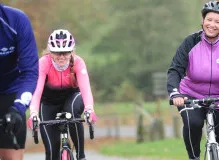
 Productivity
 Productivity