For over long years, we have diligently conducted independent research and product testing. When you make a purchase through our links, we may earn a commission.
Discover the Ultimate Cross-Country Cycling Adventure

Created: 3 weeks ago

59 min Read
Introduction: Exploring the Thrill of Cross-Country Cycling
Are you a cycling enthusiast looking for a new and exhilarating adventure? Look no further than cross-country cycling! This increasingly popular sport offers a unique and exciting way to explore new landscapes, challenge yourself physically, and embrace the freedom of the open road. In this blog post, we will delve into the world of cross-country cycling, highlighting the benefits, equipment needed, and top destinations to embark on this thrilling journey. So, fasten your helmet and get ready to pedal your way through an unforgettable experience! 🚴♀️🌍
Benefits of Cross-Country Cycling
When it comes to the benefits of cross-country cycling, the list is extensive. Not only does it provide an excellent cardiovascular workout, but it also helps build strength, endurance, and stamina. Unlike traditional road cycling, cross-country adventures take you off the beaten path, allowing you to explore stunning natural landscapes and immerse yourself in the beauty of nature. Additionally, the mental benefits of cross-country cycling cannot be understated. The solitude and serenity of the outdoors can help alleviate stress and promote a sense of overall well-being.
Essential Equipment for Cross-Country Cycling
Cross-country cycling requires specific equipment to ensure a safe and comfortable journey. Here is a checklist of essential items to consider before embarking on your trip:
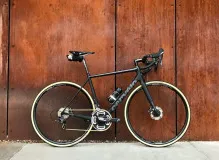
- Bike: Choose a sturdy and reliable mountain bike or a specialized cross-country bike designed for off-road terrains.
- Helmet: Protect your head with a high-quality helmet that meets safety standards.
- Clothing: Opt for moisture-wicking and breathable clothing to stay cool and comfortable during long rides. Don't forget padded cycling shorts for added comfort!
- Tools: Carry a basic toolkit with essential items like a tire pump, spare tubes, multi-tool, and a patch kit to handle any unforeseen mechanical issues.
- Navigation: Invest in a GPS device or a reliable smartphone app to guide you through unfamiliar terrains. Alternatively, carry printed maps in waterproof covers.
- Safety Gear: Equip yourself with reflective clothing, lights, and a properly-sized bike lock to ensure visibility and prevent theft.
Top Cross-Country Cycling Destinations
Now that you're equipped and ready, let's explore some of the top cross-country cycling destinations around the world:
| Destination | Highlights |
|---|---|
| 🏔️ Rocky Mountains, USA | Pristine wilderness, challenging terrains, and breathtaking views |
| 🇳🇿 New Zealand | Majestic landscapes, diverse routes, and a vibrant cycling culture |
| 🏞️Cape Epic, South Africa | Legendary race, stunning trails, and a chance to test your limits |
| 🇨🇭 Switzerland | Beautiful Alpine scenery, well-marked trails, and cycling-friendly infrastructure |
| 🇨🇦 Canada | Vast wilderness, extensive trail networks, and unparalleled natural beauty |
Remember, these are just a few of the countless amazing destinations waiting to be discovered. Whether you choose to embark on a challenging race or create your own cross-country adventure, the world is your cycling playground!
Conclusion
Cross-country cycling offers a thrilling escape from the everyday hustle and bustle. It combines physical fitness, mental rejuvenation, and a sense of exploration that is hard to replicate with any other activity. So, if you're seeking a new adventure, grab your bike, plan your route, and set off on a memorable cross-country cycling journey. Get ready to breathe in the fresh air, feel the wind in your hair, and experience the world from a whole new perspective. Happy cycling! 🌿🚴♂️
Choosing the Right Bike: Essential Considerations for Your Journey
When it comes to cross-country cycling, selecting the right bike is paramount to ensure a smooth and enjoyable journey. Here are some essential considerations to keep in mind when choosing the perfect bike for your cross-country adventure:
-
Terrain: 🌄 Consider the type of terrain you will be riding on. Will you be tackling rugged mountains, rolling hills, or a mix of both? For challenging terrains, opt for a durable and reliable mountain bike with suspension to absorb shocks and provide better control.
-
Frame Material: 💪 The choice of frame material can significantly impact your cycling experience. Aluminum, carbon fiber, and steel are the most common options. Aluminum bikes are lightweight and affordable, while carbon fiber bikes offer enhanced performance and vibration absorption. Steel bikes are known for their durability and comfort.
-
Size and Fit: 📏 Ensure your bike is the right size for your body proportions and riding style. A proper fit will prevent discomfort, injuries, and optimize your pedaling efficiency. Consider factors such as frame size, standover height, and reach.
-
Suspension: 🛠️ If your cross-country journey includes off-road trails with rough or uneven surfaces, a bike with front suspension (hardtail) or both front and rear suspension (full-suspension) can provide added comfort and better control.
-
Components: ⚙️ Pay attention to the groupset and components of the bike. Higher-end groupsets with brands such as Shimano or SRAM offer smoother shifting and better overall performance. Consider the number of gears, types of brakes (disc or rim), and the quality of other components like the saddle and pedals.
-
Tire Type: 🚴♀️ The choice of tire type can greatly impact your ride. Cross-country journeys typically require tires that balance speed and traction on various terrains. Look for tubeless-ready tires with knobby treads for better grip and puncture resistance.
-
Budget: 💰 Set a budget that aligns with your needs and expectations. While it's important to invest in a quality bike, there are options available in various price ranges. Consider pre-owned bikes, last year's models, or seek out end-of-season sales for potential savings.
Remember, the right bike for your cross-country journey will ultimately depend on your personal preferences, intended terrain, and budget. Take the time to test ride different bikes, seek advice from experienced cyclists, and do thorough research before making your final decision. With the perfect bike in tow, you'll be ready to embrace the thrill of cross-country cycling and embark on an unforgettable adventure! 🌟🚵♂️
When it comes to planning your route for a cross-country cycling adventure, having a well-thought-out plan can make all the difference in ensuring a smooth and enjoyable journey. 🗺️ In this section, we will explore some essential tips and considerations to help you map out the perfect route for your cross-country cycling adventure.
Research and Preparation
Before embarking on your epic cycling trip, it's crucial to conduct thorough research and gather all the necessary information. Start by identifying your starting point and final destination, taking into account the distance, terrain, and duration of your ride. Use online resources, cycling forums, and local cycling clubs to gather insights from experienced cyclists who have tackled similar routes.
Highlighting Key Points of Interest
As you plan your route, consider the key points of interest you would like to explore along the way. These could include natural wonders, historical landmarks, charming towns, or local attractions. Incorporating these highlights into your route will not only make the journey more interesting but also provide opportunities to rest, refuel, and experience the local culture.
Terrain and Difficulty Level
Carefully assess the terrain and difficulty level of your chosen route. 🏞️ Cross-country cycling can vary greatly, from smooth tarmac roads to rugged mountain trails. Consider your own fitness level, experience, and preferences when selecting the terrain for your adventure. Be realistic and choose a route that will challenge you but also be within your capabilities.
Safety and Convenience
Your safety should always be a priority when planning a cross-country cycling adventure. Take the time to identify bike-friendly roads, paths, and trails that prioritize cyclist safety. Ensure your route provides access to basic amenities such as food, water, and lodging. Familiarize yourself with the local regulations and be prepared with emergency contact numbers or a means of communication in case of unexpected situations.
Flexibility and Contingency Plans
While careful planning is essential, it's also important to allow for flexibility and adaptability during your journey. Unexpected weather conditions, road closures, or personal circumstances may require you to alter your route or take detours. Have backup options and contingency plans in place to ensure you can make necessary adjustments without derailing your entire adventure.
Documenting Your Journey
Consider keeping a travel journal or documenting your journey through photos and videos. Not only will this serve as a memorable keepsake, but it can also inspire others to embark on their own cross-country cycling adventures. Share your experiences, challenges, and triumphs with the cycling community, and perhaps even contribute to a comprehensive guide or blog that can help future cyclists plan their own routes.
In conclusion, planning your route for a cross-country cycling adventure requires careful consideration of various factors. Research, preparation, and a balance of safety, convenience, and flexibility are key to mapping out the perfect journey. So, grab your map, choose your route, and get ready to embark on an unforgettable cross-country cycling adventure! 🚵♂️🌄
Packing Essentials: Must-Have Gear for Your Journey
When embarking on a cross-country cycling adventure, it's crucial to pack smart and bring along the right gear to ensure a smooth and enjoyable journey. Let's take a closer look at the must-have packing essentials for your epic cycling trip.
-
Bike: Your trusty steed deserves utmost attention. Make sure your bike is in top-notch condition before hitting the road. Check tire pressure, brakes, gears, and give it a thorough cleaning if necessary.
-
Helmet: Protecting your head is non-negotiable. A high-quality helmet is a must to ensure safety in the event of any unforeseen accidents. Look for helmets that meet safety standards and provide a comfortable fit.
-
Clothing: Dress appropriately for the varying weather conditions you may encounter. Moisture-wicking and breathable clothing will help keep you dry and comfortable during long rides. Consider layering options to adjust to temperature changes. Don't forget to pack a rain jacket for unexpected showers.
-
Shoes: Invest in a pair of cycling shoes designed for efficient pedaling and optimal power transfer. Clipless pedals are a fantastic addition that enhances your cycling performance and stability.
-
Saddlebag or Backpack: A practical way to carry your belongings is by using a saddlebag or backpack specifically designed for cycling. These bags provide easy access to essentials like tools, spare tubes, snacks, and personal items.
-
Hydration System: Staying hydrated is crucial during long rides. Invest in a reliable hydration system, such as a hydration pack or water bottles mounted on your bike frame. Be sure to carry enough water and replenish as needed.
-
Tools and Repair Kit: Always be prepared for any mechanical issues. Carry a basic toolkit consisting of a multi-tool, tire levers, spare tubes, a tire pump, and a patch kit. It's better to be self-sufficient and capable of handling common repairs on the road.
-
First Aid Kit: Safety should never be compromised. Pack a compact first aid kit containing items such as bandages, antiseptic wipes, pain relievers, and any personal medications you may need.
-
Maps and Navigation: While relying on a GPS device or smartphone is convenient, it's wise to have a backup plan. Carry printed maps and a compass in waterproof covers in case technology fails you.
-
Snacks and Nutrition: Keep your energy levels high by packing nutritious snacks such as energy bars, dried fruits, nuts, and electrolyte-rich beverages. Don't underestimate the importance of fueling your body during long rides.
Remember, the key to efficient packing is to strike a balance between essentials and keeping your load as light as possible. Consider your destination, weather conditions, and the duration of your trip when selecting your gear. With the right equipment in tow, you're ready to embark on an unforgettable cross-country cycling journey. Happy pedaling!
Safety First: Tips for Staying Safe on Your Cross-Country Cycling Adventure
Embarking on a cross-country cycling adventure requires more than just excitement and enthusiasm. It's crucial to prioritize safety to ensure a smooth and enjoyable journey. Here are some essential tips to keep in mind:
-
Prepare and Plan: Before setting off, make sure to research your route, including potential hazards and weather conditions. Plan your cycling itinerary accordingly and inform someone about your travel plans.
-
Protective Gear: Always wear a helmet to protect your head from potential injuries. Additionally, consider wearing elbow and knee pads and high-visibility clothing for added safety.
-
Observe Traffic Laws: Treat your cross-country journey as if you were cycling in a city. Follow traffic laws, obey road signs, and be aware of your surroundings. Share the road with other vehicles and respect the rights of pedestrians.
-
Stay Visible: Enhance your visibility on the road by using reflective gear, lights, and reflectors on your bike. This will help alert motorists to your presence, especially during low-light conditions.
-
Stay Hydrated and Nourished: Cycling for long distances requires adequate hydration and nutrition. Carry a sufficient amount of water and energy-rich snacks to fuel your body throughout the journey.
-
Safety in Numbers: If possible, consider cycling with a companion or as part of a group. Not only does this provide added safety, but it can also make the journey more enjoyable and memorable.
-
Maintain Your Bike: Regularly inspect and maintain your bike to ensure it is in optimal working condition. Check the brakes, tire pressure, chains, and gears before each ride. Consider carrying a basic bike repair kit for minor adjustments and repairs on-the-go.
-
Weather Awareness: Be prepared for various weather conditions and dress accordingly. Layer your clothing to adapt to temperature changes and pack rain gear in case of unexpected showers.
-
Stay Alert: Always stay focused and alert while cycling. Keep an eye out for potential hazards such as potholes, debris, and wildlife. Avoid distractions like headphones and mobile phones that can compromise your attention on the road.
-
Listen to Your Body: Pay attention to your body's signals. Take breaks when needed, stretch regularly, and listen to any signs of fatigue or injury. Pushing yourself beyond your limits can lead to accidents and injuries.
By following these safety tips, you can minimize the risks associated with cross-country cycling and enjoy a safe and memorable adventure. Remember, your well-being is paramount, so prioritize safety at all times. So, get out there, explore new horizons, and make unforgettable memories on your cross-country cycling journey!
Fueling Your Body: Nutrition Tips for Endurance Cycling
Fueling your body properly is essential for maximizing performance and maintaining energy levels during long-distance cycling. To ensure you have enough fuel to power through your ride, it's important to focus on proper nutrition both before and during your journey. Here are some key nutrition tips to keep in mind for endurance cycling:
1. Carbohydrates: 🍞🥔🍌🥦
Carbohydrates are the preferred source of energy for endurance activities like cycling. Incorporate complex carbohydrates such as whole grains, fruits, vegetables, and legumes into your meals and snacks. These provide a slow and steady release of energy, keeping you fueled for longer periods.
2. Protein: 🥩🍗🥚🥜
Protein is vital for muscle repair and recovery. Include lean protein sources such as chicken, fish, eggs, and legumes in your meals to support proper muscle function. Consider a post-ride protein shake or snack to aid in recovery.
3. Hydration: 💦🚰🥤
Staying hydrated is crucial for optimal performance. Drink plenty of water throughout your ride to replace lost fluids. Carry a water bottle with you and take sips regularly, especially in hot weather. Electrolyte-rich sports drinks can also help replace essential minerals lost through sweat.
4. Snacks: 🍓🥕🥨🥗
Pack lightweight, energy-dense snacks to keep you fueled during your ride. Opt for nutritious snacks like nuts, dried fruits, energy bars, and granola, which are easy to carry and provide a quick boost of energy when needed.
5. Fueling Strategy: 📝⏰🚴♂️
Develop a fueling strategy based on the duration and intensity of your ride. Aim to consume around 30-60 grams of carbohydrates per hour to maintain energy levels. Experiment with different fueling options during training rides to find what works best for you.
6. Pre-ride Meal: 🍳🥞🥯
Consume a balanced meal rich in carbohydrates, proteins, and healthy fats 2-3 hours before your ride. This will provide your body with the necessary fuel to sustain energy levels throughout the ride.
7. Post-ride Recovery: 🥛🍉🧘♀️
After completing your ride, prioritize post-ride recovery. Replenish your body with protein and carbohydrates to kickstart the muscle repair process. Include a mix of lean protein and complex carbohydrates in your post-ride meal or snack, such as a protein shake with a banana or a small chicken breast with whole-grain pasta.
Remember, proper nutrition is key to optimizing your endurance cycling performance. Experiment with different foods and fueling strategies during your training rides to identify what works best for you. Stay consistent with your nutritional choices and listen to your body's cues to fuel up and keep going strong on your cycling adventures! 🚴♂️🥦🍌
When embarking on a cross-country cycling adventure, it's important to be prepared for the challenges that may arise along the way. From rough terrains to unexpected weather conditions, overcoming obstacles is part of the thrill of this sport. Let's dive into some of the common challenges faced by cross-country cyclists and strategies to overcome them.
1. Uphill Climbs: Conquering the Summit
One of the most physically demanding aspects of cross-country cycling is tackling steep uphill climbs. These climbs can test your endurance and leave you breathless. To tackle this challenge, focus on your breathing and pacing. Take deep breaths and maintain a steady cadence, shifting into easier gears as needed. Standing up on the pedals can also help distribute the workload between your legs, making it easier to power through the climb. Remember, slow and steady progress is key.
2. Technical Descents: Navigating Precarious Terrain
Descending on technical terrains can be intimidating, especially when faced with rocky trails or steep drops. Enhance your bike handling skills and learn to read the terrain ahead. Keep your body relaxed, and shift your weight back to maintain control. Use both brakes to modulate your speed, but avoid gripping them too tightly, as this may cause skidding. Practice on less challenging descents before taking on more difficult trails, gradually building your confidence.
3. Inclement Weather: Taming the Elements
Cross-country cycling often means being exposed to various weather conditions, including rain, wind, and extreme temperatures. Dress appropriately in layers to regulate your body temperature. Invest in waterproof gear, including a jacket and shoe covers, to stay dry during rainy rides. Plan your routes with weather forecasts in mind, avoiding areas prone to storms or adverse weather conditions. Additionally, checking local weather updates before setting off can help you make informed decisions for a safe and enjoyable ride.
4. Prolonged Fatigue: Pushing Through Mental Barriers
Long rides can push your physical and mental limits, leading to exhaustion and fatigue. Overcoming the mental barriers is crucial in these moments. Break the ride into smaller, manageable goals, focusing on reaching the next milestone rather than the entire distance. Stay motivated by listening to energizing music or podcasts, and engage in positive self-talk to maintain a strong mindset. Remember why you embarked on this journey and draw inspiration from the beautiful landscapes you encounter.
5. Bike Maintenance: Troubleshooting on the Go
Mechanical issues can occur at any time during your cross-country cycling adventure. Familiarize yourself with basic bike maintenance and repair skills. Regularly inspect your bike before and after rides, checking for loose parts, tire pressure, and worn-out components. Carry a small toolkit with essential items to fix common problems like flat tires or loose bolts. Additionally, knowing where to find bike shops or repair services along your route can provide peace of mind in case of major mechanical issues.
By acknowledging and preparing for these challenges, you'll be better equipped to handle them when they arise. Remember, every obstacle presents an opportunity for growth and improvement. Embrace the thrill of overcoming these hurdles and turning them into memorable achievements on your cross-country cycling journey.
Are you a cycling enthusiast looking for a new and exhilarating adventure? Look no further than cross-country cycling! This increasingly popular sport offers a unique and exciting way to explore new landscapes, challenge yourself physically, and embrace the freedom of the open road. In this blog post, we will delve into the world of cross-country cycling, highlighting the benefits, equipment needed, and top destinations to embark on this thrilling journey. So, fasten your helmet and get ready to pedal your way through an unforgettable experience! 🚴♀️🌍
When it comes to planning your cross-country cycling trip, there are several key factors to consider. From choosing the right route and accommodation to packing the essentials, proper planning will set the foundation for a successful and enjoyable journey. Here are some essential steps to help you plan your cross-country cycling adventure:
-
Research: Start by researching the best cross-country cycling routes based on your preferred level of difficulty, scenery, and distance. Online forums, cycling websites, and travel blogs can provide valuable insights and recommendations from experienced cyclists.
-
Route Selection: Once you have identified a few potential routes, compare them based on terrain, scenic attractions, safety, and availability of services along the way. Consider factors such as road conditions, elevation profiles, and local weather patterns to ensure a challenging yet manageable journey.
-
Accommodation: Determine where you will be staying during your trip. Options can include camping, hostels, hotels, or even homestays. Ensure that your chosen accommodations are conveniently located along your route and provide facilities to store your bike securely.
-
Pack Smart: As you pack for your cross-country adventure, remember to travel light. Pack essential clothing, tools, spare parts, and personal items while considering the limited space for storage on your bike. Remember to include items like extra layers, sunscreen, first aid kit, snacks, and plenty of water to stay comfortable and hydrated throughout your journey.
-
Training: Cross-country cycling requires stamina and endurance, so it is essential to train before embarking on your trip. Gradually increase the distance and intensity of your rides to build strength and stamina. Incorporate hill training and long rides to prepare your body for the challenges ahead.
-
Safety Precautions: Prioritize safety during your cross-country cycling trip. This includes wearing a properly fitted helmet at all times, obeying traffic laws, and using appropriate hand signals. Additionally, make sure to stay visible to motorists by wearing reflective clothing and using bike lights when riding at dusk or dawn.
-
Budgeting: Determine a realistic budget for your trip, taking into account expenses such as transportation, accommodations, food, and any extra activities you may wish to enjoy along the way. It's a good idea to have some extra funds allocated for unforeseen circumstances or emergencies.
-
Travel Insurance: Consider investing in travel insurance that covers cycling-related accidents and trip cancellations. Having insurance will provide peace of mind and financial protection should any unexpected events occur.
By following these steps and taking the time to plan your cross-country cycling trip thoroughly, you can ensure a memorable and rewarding adventure. So grab your bike, put on your cycling shoes, and get ready to embark on an extraordinary journey of self-discovery and exploration!
When embarking on a cross-country cycling adventure, having the right gear and equipment is essential to ensure a safe and enjoyable journey. From your bike to the smallest tools, each item plays a crucial role in your overall experience. Let's take a closer look at the essential gear you'll need to conquer those challenging terrains with confidence.
-
Bike: The first and most important piece of equipment for cross-country cycling is a reliable and well-suited bike. Look for a sturdy mountain bike or a specialized cross-country bike that can handle off-road terrains with ease. Choose a bike with a lightweight frame and responsive suspension to tackle the uneven trails.
-
Helmet: Protecting your head is non-negotiable when it comes to cycling. Invest in a high-quality helmet that fits properly and is certified by recognized safety standards. Ensure it provides adequate ventilation and has an adjustable strap for a snug fit.
-
Clothing: Dressing appropriately for your cross-country adventure is crucial to staying comfortable and safe. Opt for moisture-wicking and breathable clothing that will keep you cool and dry during long rides. Look for shirts and shorts made from technical fabrics that offer sun protection and have reflective elements for increased visibility. Don't forget to wear padded cycling shorts to reduce friction and enhance comfort during extended hours on the saddle.
-
Shoes and Pedals: Invest in a pair of cycling-specific shoes that provide a supportive fit and efficient power transfer. Consider clipless pedals that allow you to improve your pedaling efficiency and stability when tackling challenging terrains. Don't forget to pack spare cleats and bolts for any necessary replacements.
-
Tools: Carrying a basic toolkit is essential for handling any mechanical issues that may arise during your cross-country journey. Include items such as a tire pump, spare tubes, a multi-tool with hex keys and screwdrivers, a chain tool, and a patch kit for repairing punctures. It's also wise to bring spare brake pads, derailleur hangers, and spokes specific to your bike model.
-
Navigation: Ensure you never get lost on your cross-country adventure by equipping yourself with reliable navigation tools. Invest in a GPS device or use a smartphone app that has offline maps and tracking capabilities. Additionally, carry printed maps in waterproof covers as a backup in case of technology failures.
-
Safety Gear: Prioritize your safety on the road by equipping yourself with appropriate safety gear. Wear highly visible reflective clothing to increase your visibility to motorists and other cyclists. Consider attaching lights to your bike to ensure you can be seen in low-light conditions. Additionally, invest in a properly-sized bike lock to secure your bike when taking breaks or exploring off the saddle.
Remember, having the right gear and equipment can make a world of difference in your cross-country cycling experience. By investing in quality items and staying prepared, you can focus on enjoying the journey and embracing the thrill of the open road.
When it comes to cross-country cycling, choosing the perfect route is essential to ensure a memorable and enjoyable adventure. 🚵♀️💨 Whether you're a seasoned cyclist or a newbie to the sport, selecting the right path can make all the difference in your overall experience. In this section, we will explore some factors to consider when selecting your route, as well as provide a list of popular routes that cater to various preferences and skill levels.
Factors to Consider When Selecting a Route
-
Terrain Difficulty: Consider your fitness level and desired challenge when evaluating the terrain of potential routes. Are you looking for a grueling uphill climb or a more relaxed ride on flatter surfaces? Research the elevation profiles and technical difficulties of different routes to match them with your skills.
-
Scenic Beauty: One of the biggest advantages of cross-country cycling is immersing yourself in the natural beauty around you. Look for routes that offer breathtaking landscapes, picturesque views, and diverse environments. Consider factors such as coastal views, mountain vistas, or lush forests to enhance your cycling experience.
-
Safety and Accessibility: Prioritize routes that offer safe road conditions, minimal traffic, and adequate infrastructure. Look for dedicated cycling paths, low-speed limits, and areas with minimal intersections to ensure a smooth and secure journey. Additionally, consider the proximity of rest stops, accommodation options, and transportation facilities along the route.
-
Length and Duration: Consider the length of your trip and the average daily mileage you wish to cover. Some routes may require multiple days or weeks to complete, while others offer shorter sections suitable for day trips or weekend getaways. Plan your route accordingly to ensure you have ample time to enjoy the journey without rushing.
-
Local Laws and Regulations: Familiarize yourself with local laws and regulations regarding cycling in the areas you plan to visit. Be aware of any permits or restrictions that may affect your route selection. Respect local rules and exercise proper trail etiquette to preserve the natural environment and maintain positive relationships with local communities.
Popular Cross-Country Cycling Routes
Here are some renowned cross-country cycling routes that cater to cyclists of all levels:
-
TransAmerica Trail: This iconic route stretches from the Atlantic Ocean to the Pacific Ocean, traversing the United States. With a total distance of approximately 4,200 miles, cyclists can witness the diversity of America's landscapes while passing through historic sites and charming towns.
-
EuroVelo 6: Spanning over 2,700 miles, EuroVelo 6 takes cyclists on a journey along the rivers of Europe. Starting from the Atlantic coast in France and ending at the Black Sea in Romania, this route passes through stunning countryside, picturesque villages, and vibrant cities.
-
South Island Circuit, New Zealand: New Zealand's South Island offers a breathtaking landscape for cross-country cycling enthusiasts. With routes such as the Alps 2 Ocean and West Coast Wilderness Trail, cyclists can witness majestic mountains, pristine lakes, and rugged coastlines.
-
Great Divide Mountain Bike Route: For adventurous souls, the Great Divide Mountain Bike Route offers a thrilling off-road experience. Spanning approximately 2,800 miles from Canada to Mexico, this route follows the Rocky Mountains and takes cyclists through remote wilderness and stunning national parks.
Remember, these are just a few examples of the countless cross-country cycling routes available worldwide. Each destination holds its own unique charm and challenges, providing cyclists with unforgettable adventures. So, lace up your cycling shoes, plan your route, and embark on an exhilarating cross-country cycling journey of a lifetime! 🌎🚴♂️
Training and Fitness Tips for Cross-Country Cycling
Preparing your body for the demands of cross-country cycling is crucial to ensure a successful and enjoyable experience. Here are some training and fitness tips to help you get ready for your epic adventure:
1. Build Endurance: Cross-country cycling requires long hours in the saddle, so focus on building your endurance gradually. Start with shorter rides and gradually increase the duration and intensity over time. Include both steady-state rides and interval training to improve cardiovascular fitness.
2. Strengthen Leg Muscles: Strong leg muscles are essential for powering through challenging terrains. Incorporate exercises like squats, lunges, and calf raises into your strength training routine. Don't forget to target your core and upper body muscles as well for overall stability and balance.
3. Improve Flexibility: Maintaining flexibility is crucial to prevent injuries and enhance your cycling performance. Incorporate stretching exercises into your routine, focusing on the lower back, hips, hamstrings, and quadriceps. Consider adding activities like yoga or Pilates to improve flexibility and body awareness.
4. Practice Hill Training: Cross-country cycling often involves navigating hilly terrains. To prepare for uphill challenges, include specific hill training sessions in your routine. Start with shorter climbs and gradually increase the difficulty. Focus on maintaining a steady cadence and controlled breathing to conserve energy.
5. Cross-Train: Incorporating other forms of exercise into your training routine can help improve overall fitness and prevent overuse injuries. Consider activities like swimming, running, or strength training to target different muscle groups and enhance your overall conditioning.
6. Fuel Your Body: Proper nutrition is key to sustaining energy levels during long rides. Focus on a balanced diet that includes carbohydrates for fuel, lean proteins for muscle repair, and healthy fats for sustained energy. Stay hydrated before, during, and after your rides to prevent dehydration.
7. Rest and Recovery: Adequate rest and recovery are essential for allowing your body to adapt and grow stronger. Incorporate rest days into your training schedule and prioritize quality sleep to optimize performance and prevent burnout.
Remember, the key to successful cross-country cycling lies in consistency, gradual progression, and finding joy in the journey. Embrace the challenge, listen to your body, and celebrate the milestones along the way. With proper training and preparation, you're bound to have an unforgettable cross-country cycling experience. 🚵♂️💨
Safety Precautions for a Successful Cycling Journey
Ensuring your safety is paramount when embarking on a cross-country cycling journey. By taking appropriate precautions, you can minimize the risk of accidents and have a successful and enjoyable experience. Here are some essential safety measures to consider before hitting the road:
-
𝗪𝗲𝗮𝗿 𝘆𝗼𝘂𝗿 𝗵𝗲𝗹𝗺𝗲𝘁: A properly fitted helmet is essential for protecting your head in case of a fall or collision. Make sure it meets safety standards and fits snugly without obstructing your vision.
-
𝗛𝗮𝘃𝗲 𝗮𝗱𝗲𝗾𝘂𝗮𝘁𝗲 𝗹𝗶𝗴𝗵𝘁𝗶𝗻𝗴: Invest in high-quality front and rear lights, especially if you plan to ride during low-light conditions or at night. These lights enhance your visibility to other road users.
-
𝗪𝗲𝗮𝗿 𝗿𝗲𝗳𝗹𝗲𝗰𝘁𝗶𝘃𝗲 𝗰𝗹𝗼𝘁𝗵𝗶𝗻𝗴: Wear brightly colored clothing and consider purchasing a reflective vest or jacket. This increases your visibility to motorists, especially during unfavorable weather conditions.
-
𝗞𝗲𝗲𝗽 𝗮 𝗦𝗮𝗳𝗲 𝗗𝗶𝘀𝘁𝗮𝗻𝗰𝗲: Always ride on the right side of the road, following the flow of traffic. Observe traffic rules, signal your intentions, and be cautious at intersections.
-
𝗖𝗵𝗲𝗰𝗸 𝘆𝗼𝘂𝗿 𝗯𝗶𝗸𝗲: Regularly check your bike for any signs of wear and tear. Ensure that the tires are properly inflated, brakes are functioning effectively, and gears shift smoothly. It's also essential to maintain a clean and well-lubricated chain.
-
𝗣𝗮𝘆 𝗮𝘁𝘁𝗲𝗻𝘁𝗶𝗼𝗻 𝘁𝗼 𝗿𝗼𝗮𝗱 𝗰𝗼𝗻𝗱𝗶𝘁𝗶𝗼𝗻𝘀: Be aware of road conditions and adjust your speed accordingly. Stay vigilant for potholes, gravel, or other hazards that may cause you to lose control. Also, be cautious when navigating sharp turns or difficult terrain.
-
𝗖𝗮𝗿𝗿𝘆 𝗺𝗲𝗱𝗶𝗰𝗮𝗹 𝗲𝗾𝘂𝗶𝗽𝗺𝗲𝗻𝘁: Carry a well-equipped tool kit and know-how to perform basic bike repairs such as fixing a flat tire or adjusting brakes. It's also helpful to have a spare tube, patch kit, pump, and multi-tool.
-
𝗕𝗲 𝘄𝗲𝗮𝘁𝗵𝗲𝗿 𝗮𝘄𝗮𝗿𝗲 𝗼𝗳 𝘁𝗵𝗲 𝘄𝗲𝗮𝘁𝗵𝗲𝗿: Check the weather forecast before heading out and be prepared for changing conditions. Dress appropriately, wear sunscreen, and carry extra layers in case of temperature fluctuations.
-
𝗥𝗲𝘀𝗽𝗲𝗰𝘁 𝗻𝗮𝘁𝘂𝗿𝗮𝗹 𝗲𝗻𝘃𝗶𝗿𝗼𝗻𝗺𝗲𝗻𝘁: Respect the environment and local regulations. Stick to designated cycling paths or trails, and avoid disturbing wildlife or causing damage to natural habitats.
By following these safety precautions, you can ensure a smooth and secure cycling journey. Remember, safety should always be your top priority. Happy pedaling! 🚲😊
Exploring Scenic Landscapes and Must-Visit Destinations
Cross-country cycling is not just about the physical challenge; it also provides an opportunity to immerse yourself in breathtaking landscapes and discover hidden gems along the way. Let's take a closer look at some must-visit destinations that offer stunning scenic beauty for cross-country cyclists.
-
🏞️ Rocky Mountains, USA: Nestled in the heart of North America, the Rocky Mountains boast a vast expanse of wilderness and rugged terrain. With its towering peaks, crystal-clear lakes, and diverse wildlife, this region provides an awe-inspiring backdrop for your cross-country cycling adventure. Whether you're exploring the Colorado Trail or tackling the famous Continental Divide, be prepared to be amazed by the sheer beauty of this iconic destination.
-
🇳🇿 New Zealand: Known for its breathtaking landscapes and adventure sports, New Zealand is a dream destination for cross-country cyclists. The South Island, in particular, offers a variety of trails that wind through mountains, fjords, and lush forests. From the legendary Queenstown trails to the stunning West Coast Wilderness Trail, New Zealand's diverse terrain and stunning vistas will leave you in awe.
-
🏞️ Cape Epic, South Africa: For adrenaline junkies and experienced cyclists, the Cape Epic race in South Africa is the ultimate cross-country challenge. This legendary race takes riders through scenic landscapes, including the rugged Cape Winelands and the picturesque Garden Route. It's an opportunity to push yourself to the limits while experiencing the beauty of South Africa's diverse terrain.
-
🇨🇭 Switzerland: Renowned for its stunning Alpine scenery, Switzerland offers a well-established network of cross-country cycling trails. From the iconic Swiss National Bike Route to the challenging trails of the Engadin region, cyclists can explore picturesque villages, serene lakes, and majestic mountains. The well-maintained infrastructure and breathtaking vistas make Switzerland a top choice for any cross-country cycling enthusiast.
-
🇨🇦 Canada: With its vast wilderness and extensive trail networks, Canada is a playground for cross-country cyclists. From the famous Trans-Canada Trail that spans the entire country to the exhilarating singletrack trails of British Columbia, Canada offers diverse terrain and unparalleled natural beauty. Immerse yourself in the stunning landscapes of the Canadian Rockies, discover hidden gems in the Maritimes, or explore the rugged beauty of the Yukon - the possibilities are endless.
As you plan your cross-country cycling adventure, keep in mind these must-visit destinations that offer scenic landscapes and unforgettable experiences. Remember to always prioritize safety, carry essential equipment, and respect the environment as you embark on your thrilling journey. So, gear up, pack your sense of adventure, and get ready to explore the world on two wheels! 🚵♂️🌍
🚲 Connecting with Fellow Cross-Country Cyclists: Community and Resources
Cross-country cycling is not only about the physical and mental challenges, but it is also about the sense of community and the wealth of resources available to support and inspire cyclists on their journeys. In this section, we will explore the various ways you can connect with fellow cross-country cyclists, tap into valuable resources, and enhance your overall experience. So, let's dive in and discover the power of community in the world of cross-country cycling!
Online Forums and Social Media Groups
The internet has revolutionized the way we connect and share information, and cross-country cycling is no exception. There are numerous online forums and social media groups dedicated to all things related to cross-country cycling. These platforms provide a space for cyclists to connect with like-minded individuals, share stories, ask questions, and seek advice. Joining these communities allows you to tap into a wealth of knowledge, learn from experienced cyclists, and even find potential cycling buddies for your next adventure. Some popular forums and groups include:
- UndergroundCyclingForum.com: A vibrant online community where cyclists from around the world gather to discuss routes, gear, training tips, and more.
- CrossCountryCycling Enthusiasts (Facebook Group): A supportive community of cross-country cycling enthusiasts sharing their experiences, photos, and offering support and encouragement.
- #CrossCountryCyclingExplorers (Instagram): A dedicated hashtag used by cyclists to showcase their cross-country adventures, connect with others, and discover new routes.
Cross-Country Cycling Blogs and Websites
Blogs and websites dedicated to cross-country cycling are excellent resources for valuable information and inspiration. These platforms often feature detailed route guides, gear reviews, personal stories, and tips for successful cross-country cycling. Whether you are a beginner seeking guidance on planning your first adventure or an experienced cyclist looking for new challenges, these blogs and websites can help you along the way. Some notable ones include:
- CycleAdventures.com: A comprehensive website offering a range of articles, guides, and advice for cross-country cyclists of all levels.
- MTBExplorer.com: A blog that specializes in cross-country mountain biking, providing insights into the best trails, technical tips, and personal experiences.
Local Clubs and Events
Connecting with local cycling clubs and participating in cross-country cycling events in your area is a fantastic way to meet fellow cyclists, gain valuable insights, and immerse yourself in the vibrant cycling community. These clubs often organize group rides, workshops, and social events that help foster friendships and create a supportive network. Additionally, participating in organized events such as races, tours, or charity rides can be a thrilling way to challenge yourself and showcase your skills.
Conclusion
In the world of cross-country cycling, the power of community and the availability of resources play a significant role in enhancing your experience and enjoyment. By connecting with fellow cross-country cyclists through online platforms, exploring informative blogs and websites, and actively engaging with local clubs and events, you can expand your knowledge, find new routes, forge lifelong friendships, and uncover endless possibilities for exciting adventures. So, embrace the power of community, leverage available resources, and let your cross-country cycling journey unfold in unimaginable ways! 🌟🚴♂️
Overcoming Challenges on Your Cross-Country Cycling Adventure
Embarking on a cross-country cycling adventure is undoubtedly an exciting and rewarding experience. However, it's important to be prepared for the challenges that may arise along the way. In this section, we will discuss key challenges you may face during your journey and provide tips on how to overcome them. So, let's dive in and ensure a smooth ride!
**1. **Terrain Variations🏞️
Cross-country cycling often involves traversing different terrains, such as rugged mountains, muddy trails, and gravel paths. It's crucial to adapt your riding technique based on the terrain you encounter. When tackling uphill climbs, shift to a lower gear, maintain a steady cadence, and distribute your weight evenly. On the other hand, when descending or navigating tricky off-road sections, maintain a firm grip on the handlebars, maintain a relaxed posture, and use your body weight to stabilize the bike.
**2. **Weather Conditions🌦️
One of the unpredictable aspects of cross-country cycling is the ever-changing weather conditions. Being prepared and adaptable is key. Dress in layers to accommodate temperature fluctuations, pack a lightweight rain jacket, and carry sun protection gear like sunglasses and sunscreen. Checking the weather forecast for your destination ahead of time can help you plan accordingly and make any necessary adjustments to your itinerary.
**3. **Mechanical Issues🔧
It's not uncommon to encounter mechanical issues during a long-distance cycling trip. From flat tires to chain malfunctions, these mishaps can be frustrating if you're not prepared. Familiarize yourself with basic bike maintenance and repairs, such as fixing a flat tire or adjusting brakes. Carry a well-equipped toolkit, including spare tubes, a tire pump, and a multi-tool, to address minor mechanical issues on the go. It's also wise to have a backup plan, such as knowing the location of nearby bike repair shops or carrying the contact information of local bike mechanics.
**4. **Physical Fatigue💪
Endurance is crucial when embarking on a cross-country cycling adventure. Long hours in the saddle can lead to physical fatigue and muscle soreness. To combat this, ensure you're adequately trained and build up your stamina before setting off on your journey. Take regular breaks to stretch, hydrate, and refuel with nutritious snacks to maintain energy levels. Listening to your body and giving yourself rest days or shorter cycling distances when needed will also contribute to a healthier and more enjoyable experience.
**5. **Navigational Challenges🗺️
Navigating unfamiliar routes can be a challenge, especially when you're in remote areas with limited signage. Utilize a GPS device or smartphone app to guide you through your journey. Familiarize yourself with reading maps and understanding key landmarks. Additionally, joining local cycling groups or forums can provide valuable insights and recommendations from experienced cyclists familiar with the area. Stay open to asking for directions or seeking assistance when needed – fellow cyclists and locals are often more than happy to lend a helping hand!
Conclusion
Cross-country cycling is an adventure that pushes you beyond your comfort zone, both physically and mentally. By anticipating and preparing for these challenges, you can overcome them with ease, ensuring a memorable and successful journey. Remember, every challenge you face will only add to the sense of accomplishment and satisfaction when you reach your final destination. So saddle up, embrace the unknown, and enjoy the ride of a lifetime!
Embarking on a cross-country cycling journey is not just about the physical challenges and breathtaking scenery; it's also about the personal growth, memories, and reflections that come along the way. As you pedal through diverse landscapes, encounter new people, and face unexpected obstacles, you'll undoubtedly create indelible memories that will stay with you for a lifetime.
🚵♂️ Physical Endurance: One of the most rewarding aspects of cross-country cycling is pushing your physical limits. As you conquer each hill, overcome difficult terrains, and pedal mile after mile, you'll gain a sense of accomplishment like no other. The body's endurance adapts and strengthens, and you'll witness firsthand the power of your determination and resilience. 🏞️
🏕️ Connection with Nature: The serenity and beauty of nature will surround you as you cycle through diverse landscapes. You'll witness breathtaking sunrises and sunsets, observe wildlife in their natural habitats, and experience the tranquility of remote locations. Moments like these provide a deep sense of connection to the natural world and offer opportunities for quiet contemplation and introspection. 🌿✨
🚴♀️ Self-Discovery: Cross-country cycling acts as a catalyst for self-discovery and introspection. The long hours spent pedaling allow for introspection, self-reflection, and a chance to reconnect with yourself on a deeper level. It's an opportunity to ponder life's big questions, gain clarity, and find inner peace amid the rhythm of the road. 🌌
🌍 Cultural Immersion: One of the joys of cross-country cycling is the opportunity to immerse yourself in diverse cultures and communities along the way. Whether it's interacting with locals, sampling regional cuisine, or participating in local customs and traditions, each encounter enriches your understanding of the world and broadens your perspective.
🙌 Bonding with Fellow Cyclists: Cross-country cycling often attracts like-minded individuals, creating a community of cyclists who share the same passion and sense of adventure. Whether cycling solo or joining organized group rides, you'll have the chance to form lasting friendships, exchange stories and tips, and create a network of fellow adventurers who understand the joys and challenges of cross-country cycling.
☀️ Sense of Freedom: Cross-country cycling offers the ultimate sense of freedom and liberation. As you pedal along open roads and winding trails, you'll experience a sense of autonomy and independence that is hard to replicate elsewhere. The ability to choose your own path, set your own pace, and embrace the spontaneity of the journey grants a liberating feeling that is truly unmatched. 🌈
In conclusion, a cross-country cycling journey is more than just a physical pursuit. It's a transformative experience that allows you to challenge yourself, connect with nature, discover your inner self, immerse in different cultures, bond with fellow cyclists, and revel in the freedom of the open road. So, embark on this adventure, create lasting memories, and let the rewards of a cross-country cycling journey resonate with you for a lifetime. 🌟
Introduction to Cross-Country Cycling
Are you a cycling enthusiast looking for a new and exhilarating adventure? Look no further than cross-country cycling! This increasingly popular sport offers a unique and exciting way to explore new landscapes, challenge yourself physically, and embrace the freedom of the open road. In this blog post, we will delve into the world of cross-country cycling, highlighting the benefits, equipment needed, and top destinations to embark on this thrilling journey. So, fasten your helmet and get ready to pedal your way through an unforgettable experience! 🚴♀️🌍
Benefits of Cross-Country Cycling
When it comes to the benefits of cross-country cycling, the list is extensive. Not only does it provide an excellent cardiovascular workout, but it also helps build strength, endurance, and stamina. Unlike traditional road cycling, cross-country adventures take you off the beaten path, allowing you to explore stunning natural landscapes and immerse yourself in the beauty of nature. Additionally, the mental benefits of cross-country cycling cannot be understated. The solitude and serenity of the outdoors can help alleviate stress and promote a sense of overall well-being.
Essential Equipment for Cross-Country Cycling
Cross-country cycling requires specific equipment to ensure a safe and comfortable journey. Here is a checklist of essential items to consider before embarking on your trip:
- Bike: Choose a sturdy and reliable mountain bike or a specialized cross-country bike designed for off-road terrains.
- Helmet: Protect your head with a high-quality helmet that meets safety standards.
- Clothing: Opt for moisture-wicking and breathable clothing to stay cool and comfortable during long rides. Don't forget padded cycling shorts for added comfort!
- Tools: Carry a basic toolkit with essential items like a tire pump, spare tubes, multi-tool, and a patch kit to handle any unforeseen mechanical issues.
- Navigation: Invest in a GPS device or a reliable smartphone app to guide you through unfamiliar terrains. Alternatively, carry printed maps in waterproof covers.
- Safety Gear: Equip yourself with reflective clothing, lights, and a properly-sized bike lock to ensure visibility and prevent theft.
Top Cross-Country Cycling Destinations
Now that you're equipped and ready, let's explore some of the top cross-country cycling destinations around the world:
| Destination | Highlights |
|---|---|
| 🏔️ Rocky Mountains, USA | Pristine wilderness, challenging terrains, and breathtaking views |
| 🇳🇿 New Zealand | Majestic landscapes, diverse routes, and a vibrant cycling culture |
| 🏞️Cape Epic, South Africa | Legendary race, stunning trails, and a chance to test your limits |
| 🇨🇭 Switzerland | Beautiful Alpine scenery, well-marked trails, and cycling-friendly infrastructure |
| 🇨🇦 Canada | Vast wilderness, extensive trail networks, and unparalleled natural beauty |
Remember, these are just a few of the countless amazing destinations waiting to be discovered. Whether you choose to embark on a challenging race or create your own cross-country adventure, the world is your cycling playground!
Conclusion
Cross-country cycling offers a thrilling escape from the everyday hustle and bustle. It combines physical fitness, mental well-being, and a sense of exploration. So, hop on your bike, feel the wind in your face, and discover the joy of cross-country cycling. It's time to embark on an exhilarating journey filled with breathtaking scenery, personal achievements, and unforgettable memories. Start pedaling and let the adventure begin! 🌟
Finding the perfect bike for your cross-country cycling journey is essential to ensure a smooth and enjoyable ride. With various options available in the market, it's crucial to consider a few key factors when making your decision.
One of the most important considerations is the type of bike that will best suit your needs. While there are several types to choose from, mountain bikes and cross-country bikes are typically the go-to choices for off-road adventures. These bikes are designed with features like suspension systems, durable frames, and wider tires to handle rough terrains effectively.
When selecting a bike, also take into account the size and fit. Choosing the correct frame size and adjusting the saddle height and handlebar position are vital to ensuring a comfortable riding position that minimizes the risk of injury and fatigue.
In terms of components, prioritize reliability and durability. Look for bikes equipped with high-quality brakes, gears, and drivetrains that can withstand the demands of long-distance cycling. Additionally, consider the weight of the bike, as lighter options are generally more maneuverable and efficient on the trails.
Another aspect to ponder is tire choice. Opt for wide and grippy tires that provide a stable and controlled ride on various surfaces. Tubeless or puncture-resistant tires can further enhance your cycling experience by reducing the risk of flats when traversing rugged terrains.
While price is often a determining factor, it's crucial to strike a balance between quality and affordability. Investing in a well-built and reputable bike may save you money in the long run, as it will likely require fewer repairs and replacements.
Lastly, don't forget to consider your personal preferences and cycling goals. Some riders may prioritize comfort and endurance, while others may lean towards speed and agility. It's important to choose a bike that aligns with your specific needs and aspirations for your cross-country journey.
In conclusion, finding the right bike is crucial for a successful cross-country cycling adventure. From mountain bikes to cross-country bikes, consider the type, size, fit, components, tires, and price to make an informed decision. Remember, a well-chosen bike will not only enhance your experience on the trails but also contribute to your safety, comfort, and overall enjoyment of this thrilling sport. Happy cycling!
Planning Your Route: Tips and Considerations
When it comes to cross-country cycling, planning your route is essential to ensure a smooth and enjoyable experience. The right route can make all the difference in terms of scenery, terrain, and overall satisfaction. Here are some tips and considerations to help you plan your perfect cross-country cycling adventure:
-
Research: Begin by researching potential routes in the area you wish to explore. Look for well-established cycling trails or consider connecting existing routes to create a customized journey. Online cycling forums, local cycling clubs, and travel websites can provide valuable insights and recommendations.
-
Terrain and Difficulty: Consider the level of difficulty you're comfortable with and choose a route that matches your abilities. Some cyclists may prefer challenging mountainous terrains, while others may opt for more moderate and flat routes. Strike a balance between adventure and feasibility.
-
Scenic Highlights: Highlighted routes often showcase the most stunning natural landscapes, viewpoints, and attractions. Research the scenic highlights along your chosen route to ensure you don't miss out on any jaw-dropping vistas or photo opportunities.
-
Services and Facilities: Check for availability of services and facilities along the route. Access to accommodation, rest areas, bike repair shops, and food sources is crucial for a comfortable journey. Map out these essential stops to avoid any inconvenience during your adventure.
-
Safety Considerations: Prioritize safety when planning your route. Choose routes with minimal traffic and well-maintained paths. Consider the weather conditions during your preferred cycling season and plan accordingly. It's also prudent to inform someone about your intended route and estimated time of arrival as an extra precaution.
-
Water and Food Availability: Ensure you have access to adequate water sources and plan for regular breaks to refuel with nutritious snacks or meals. Research towns, cafes, and eateries along your route to plan your food stops accordingly.
-
Local Regulations: Familiarize yourself with any local regulations or permits required for cycling in certain areas. Respect the environment, adhere to trail rules, and leave no trace behind. Being a responsible cyclist ensures the longevity of these wonderful trails for future adventurers.
-
Alternative Routes: Consider incorporating alternative routes or detours to add variety and explore new areas of interest. Flexibility in your journey allows for unexpected discoveries and enriches the overall experience.
Remember, planning your route is an essential part of your cross-country cycling adventure. By considering these tips and taking the time to research and prepare, you can ensure a memorable, safe, and enjoyable journey. Happy pedaling!
When it comes to embarking on a cross-country cycling journey, having the right gear and equipment is crucial to ensure a safe and enjoyable experience. Whether you're a seasoned cyclist or a beginner looking to venture into this exciting sport, here is a comprehensive guide to the essential gear you'll need:
1. Bike:
Undoubtedly, the most important piece of equipment for cross-country cycling is a reliable and suitable bike. Look for a mountain bike or a specialized cross-country bike that is specifically designed to handle off-road terrains. Ensure that the bike is the right size and fits you comfortably to avoid any discomfort or strain during prolonged rides.
2. Helmet:
Your helmet is your best defense against potential head injuries. Always choose a high-quality helmet that meets safety standards and provides adequate protection. Make sure it fits securely on your head and has adjustable straps to ensure a snug and comfortable fit.
3. Clothing:
Wearing the right clothing can make a significant difference in your comfort levels during long rides. Look for moisture-wicking and breathable fabrics that help regulate your body temperature and keep you cool. Consider investing in a padded pair of cycling shorts to provide extra cushioning and reduce friction.
4. Tools:
A reliable toolkit is essential for handling any mechanical issues that may arise during your cross-country journey. Carry a tire pump, spare tubes, a multi-tool with various wrench sizes, and a patch kit to fix any punctures. Familiarize yourself with basic bike repairs and maintenance to handle minor issues on the go.
5. Navigation:
Getting lost in unfamiliar terrains can quickly turn an adventure into a frustrating experience. Invest in a GPS device or choose a reliable smartphone app that offers offline maps and navigation features. Alternatively, carry printed maps of your chosen route in waterproof covers to ensure they stay intact and readable.
6. Safety Gear:
Safety should always be a priority, especially when cycling in challenging and remote terrains. Equip yourself with reflective clothing or accessories to enhance visibility, especially during low-light conditions. Additionally, invest in bicycle lights for both the front and rear of your bike to ensure you're visible to other road users. A properly-sized bike lock is also essential to secure your bike when you need to make stops along the way.
7. Hydration and Nutrition:
Staying hydrated and properly fueled is crucial for maintaining your energy levels during long rides. Invest in a hydration pack or water bottles that fit securely on your bike frame. Carry high-energy snacks, such as granola bars or energy gels, to replenish your body's fuel reserves.
Remember that preparation and proper gear are the keys to a successful cross-country cycling adventure. Before setting off, ensure that all your gear is in good condition and that you have enough supplies to last through your journey.
Adhering to these essential gear and equipment recommendations will not only optimize your comfort and safety but also enhance your enjoyment as you traverse the picturesque landscapes and thrilling trails of cross-country cycling.
Training and Preparation for a Long-Distance Cycling Trip
Embarking on a long-distance cycling trip requires proper training and preparation to ensure a safe and enjoyable journey. Whether you're planning a solo adventure or joining a group tour, here are some essential steps to consider:
-
Conditioning: Building endurance and strength is key to successfully completing a long-distance cycling trip. Begin by gradually increasing your mileage and incorporating interval training to improve stamina. Include a mix of flat roads and hilly terrains in your training routes to build both speed and climbing abilities.
-
Nutrition and Hydration: Proper nutrition and hydration are vital during extended cycling trips. Focus on consuming a balanced diet rich in carbohydrates, protein, and healthy fats. Stay hydrated by drinking water regularly, especially during long rides. Consider electrolyte supplements to replenish essential minerals lost through sweat.
-
Gear and Equipment: Ensure your bike is in excellent condition before embarking on a long-distance trip. Check for worn-out components, inflate tires to the recommended pressure, and lubricate the chain. Invest in a comfortable saddle, cycling gloves, and shoes that provide adequate support. Consider attaching panniers or a bikepacking setup to carry your gear efficiently.
-
Route Planning: Take the time to research and plan your route in advance. Consider factors such as distance, elevation gain, road conditions, and availability of essential amenities along the way. Utilize online platforms and GPS devices to map your route, ensuring you have a clear understanding of the terrain and any potential challenges.
-
Safety and Emergency Preparedness: Prioritize safety by wearing high-visibility clothing, using lights, and adhering to traffic laws. Carry a basic first aid kit, a fully charged mobile phone, and identification with emergency contacts. Familiarize yourself with bike repair and maintenance skills to handle minor mechanical issues.
-
Rest and Recovery: Long-distance cycling can be physically demanding, so allow for proper rest and recovery throughout your training and during the trip. Listen to your body and take breaks whenever necessary. Incorporate stretching and foam rolling exercises to prevent muscle tightness and injury.
By following these training and preparation tips, you can embark on your long-distance cycling trip with confidence and enjoy the thrill of exploring new landscapes. Remember to practice responsible cycling etiquette, respect local communities and the environment, and most importantly, have fun and enjoy every moment of the journey! 🚴♀️💨
Safety Tips for Cross-Country Cycling Adventure
Embarking on a cross-country cycling adventure is an exhilarating experience, but it's important to prioritize safety to ensure a smooth and enjoyable journey. Here are some essential safety tips to keep in mind before hitting the trails:
-
Prepare Your Bike: Before setting off, check your bike for any loose screws, damaged components, or worn-out tires. Ensure that your brakes are in good working condition, and your gears are properly adjusted. Taking care of your bike's maintenance will minimize the risk of breakdowns during your adventure.
-
Plan Your Route: Research and plan your route in advance. Choose well-marked trails that suit your skill level and are appropriate for cross-country cycling. Familiarize yourself with the route's elevation changes, potential hazards, and available water and rest stops. Planning ahead will help you stay on track and avoid any unexpected challenges.
-
Dress for Safety and Comfort: Wear appropriate clothing that allows for freedom of movement while providing protection. Consider wearing a brightly colored jersey or vest to enhance your visibility to other trail users and motorists. Don't forget to wear a properly fitting helmet to protect your head in case of falls or accidents.
-
Stay Hydrated and Fuel Up: Cross-country cycling can be physically demanding, so it's crucial to stay hydrated and nourished throughout your ride. Carry plenty of water and energy snacks to replenish electrolytes and provide sustained energy. Regularly sipping water and snacking will help prevent fatigue and keep you focused on the trail.
-
Ride Defensively: When on the trails, always ride defensively and assume that other trail users may not see or hear you. Keep an eye out for pedestrians, other cyclists, and wildlife, and be prepared to yield if necessary. Use hand signals to communicate your intentions and alert others of potential hazards.
-
Be Weather-Wise: Check the weather forecast before your ride and dress accordingly. Pack appropriate layers to adapt to changing weather conditions. Avoid riding in extreme weather, such as heavy rain or storms, which can increase the risk of accidents and hypothermia.
-
Carry a First Aid Kit: Accidents happen, so always have a basic first aid kit with you. Include items like adhesive bandages, antiseptic wipes, pain relievers, and any necessary medications. Knowing how to administer basic first aid can make a significant difference in times of emergencies.
-
Tell Someone Your Plans: Before starting your cross-country cycling adventure, inform a friend or family member about your planned route and estimated return time. This way, someone will be aware of your whereabouts and can raise the alarm if you do not return as scheduled.
By following these safety tips, you can enjoy your cross-country cycling adventure with peace of mind, knowing that you have taken the necessary precautions. Happy cycling and stay safe on the trails!
Proper nutrition and hydration are essential for a successful cross-country cycling journey. As you cover long distances and exert physical effort, it's crucial to fuel your body with the right nutrients and stay well-hydrated. In this section, we will explore some key tips to help you manage your nutrition and hydration needs while on the road. Let's dig in and ensure you have the energy to power through your adventure! 💪🍏🚴♂️
1. Stay Hydrated Throughout the Ride
🚰 Hydration is key during cross-country cycling. Make sure to drink water regularly, aiming to consume 8 to 10 glasses throughout the day. Carry a reusable water bottle with you and take sips at regular intervals, even if you don't feel particularly thirsty. Remember, dehydration can negatively impact your performance and lead to fatigue and muscle cramps. Additionally, consider using electrolyte-enhanced sports drinks to replenish lost minerals and electrolytes during intense rides.
2. Plan Your Meals and Snacks Ahead
🥪 Meal planning is important to ensure you have sufficient energy and nutrients for your journey. Prioritize carbohydrates for sustained energy, such as whole grains, fruits, and vegetables. Incorporate lean proteins, like chicken or tofu, to aid in muscle recovery. Healthy fats from sources like nuts and seeds can provide additional fuel. Pack nutrient-dense snacks, such as trail mix, energy bars, or fruit, for quick and convenient refueling on the go.
3. Eat Regularly to Maintain Energy Levels
⏰ Eating at regular intervals is crucial to prevent energy crashes and allow your body to perform at its best. Aim for small, frequent meals throughout the day, rather than large heavy meals that can cause digestion issues while cycling. Plan your breaks strategically and consume snack-sized portions to provide a steady supply of energy and promote better digestion.
4. Replenish Electrolytes during Intense Rides
⚡️ During longer or more challenging rides, it's important to replenish your electrolytes to maintain proper muscle function and prevent cramping. Along with hydrating with electrolyte-rich beverages, you can also consider carrying electrolyte tablets or powders to dissolve in your water bottle. These can help restore the balance of essential minerals like sodium, potassium, and magnesium.
5. Listen to Your Body
🙌 Everybody is different, and individual nutrition needs may vary. While these tips provide a general guideline, it's important to listen to your body and adjust accordingly. Pay attention to how your body responds to different foods and drinks, and make adjustments based on what works best for you. If you have any dietary restrictions or specific nutritional needs, consult with a registered dietitian to develop a personalized nutrition plan.
Conclusion
Proper nutrition and hydration play a vital role in optimizing your performance and enjoyment during cross-country cycling. Remember to prioritize staying well-hydrated, plan balanced meals and snacks, eat regularly, and replenish electrolytes when needed. By doing so, you'll be able to fuel your adventure and make the most out of your cross-country cycling experience. Happy riding! 🚴♀️🍎💧
As with any adventure, cross-country cycling is not without its challenges and adversities. However, it is precisely these obstacles that add a sense of accomplishment and a test of character to the journey. Let's explore some common challenges faced by cross-country cyclists and how to tackle them head-on.
-
Terrain: Different terrains pose varying degrees of difficulty. From steep mountainous trails to muddy paths, it's important to be prepared for diverse surfaces. Adaptability is key - adjust your riding techniques and gear accordingly. Consider investing in a bike with all-terrain capabilities and taking some training rides on similar surfaces to build confidence in handling challenging terrains.
-
Weather: Mother Nature can be unpredictable, and weather conditions can greatly impact your ride. Rain, wind, extreme heat, or cold can present additional challenges. Stay informed about weather forecasts and plan your rides accordingly. Dress appropriately for the conditions, and always carry extra layers or rain gear when needed.
-
Navigation: Getting lost during a cross-country journey is not uncommon. In rural areas with limited signage or off-the-grid trails, navigation can be a challenge. To avoid getting lost, thoroughly research your route, use GPS devices or smartphone apps, and always carry a paper map as a backup. Additionally, consider joining organized group rides or partnering up with fellow cyclists for added security and guidance.
-
Physical Endurance: Long rides require significant physical endurance and stamina. Fatigue, muscle soreness, and overexertion can be daunting, especially during multi-day rides. Prioritize proper training and conditioning before embarking on your cross-country adventure. Gradually increase your mileage and incorporate strength training exercises specific to cycling to build endurance. Regularly stretching and allowing rest days during your journey is essential for recovery and preventing injuries.
-
Safety: Safety should always be a top priority, especially when cycling in unfamiliar areas. Possible hazards include traffic, wildlife encounters, and remote locations. Observe traffic rules, use hand signals, and wear bright, reflective clothing to enhance visibility. Be aware of your surroundings and carry a first aid kit in case of any injuries. Inform someone of your route and estimated time of arrival at your destination to ensure someone knows your whereabouts.
By embracing these challenges, cross-country cyclists can develop resilience, patience, and problem-solving skills. Remember that overcoming challenges during your journey is part of the adventure, and the rewards far outweigh the temporary setbacks. So, gear up, stay prepared, and embrace the thrill of conquering any adversity that comes your way!
As you embark on your cross-country cycling journey, one of the greatest joys is the opportunity to soak in the scenic views and explore the attractions that lie along the route. From charming towns to breathtaking natural wonders, each stop adds its own unique flavor to your adventure. Here are some top destinations and attractions to look out for during your cross-country cycling trip.
1. Coastal Beauty in Carmel-by-the-Sea
📍 Carmel-by-the-Sea, located on the picturesque California coast, is a must-visit destination for any cross-country cyclist. This charming town boasts stunning coastal views, sandy beaches, and a vibrant artistic community. Take a break from your ride and explore the quaint streets lined with art galleries, boutique shops, and gourmet restaurants. Don't miss the chance to visit the famous Pebble Beach Golf Links or take a scenic drive along the 17-Mile Drive, where you can marvel at the rugged coastline and iconic landmarks like the Lone Cypress.
2. Historic Richness in Charleston
📍 Charleston, the historic gem of South Carolina, offers a unique blend of Southern charm and rich history. As you pedal through this enchanting city, take a moment to visit Battery Park, a beautiful waterfront promenade boasting stunning views of the Charleston Harbor. Explore the cobblestone streets of the Historic District, where you'll find beautifully preserved architecture, charming gardens, and famous landmarks like the Rainbow Row and the Nathaniel Russell House. Immerse yourself in the city's vibrant culture and indulge in the delectable flavors of Lowcountry cuisine.
3. Natural Wonders in Moab
📍 Experience the awe-inspiring natural wonders of Moab, a biking mecca nestled amidst Utah's red rock landscapes. This desert paradise offers a plethora of world-class mountain biking trails, including the iconic Slickrock Trail and the technically challenging Porcupine Rim. As you conquer the rugged terrain, marvel at the breathtaking vistas of towering sandstone cliffs, deep canyons, and the mighty Colorado River. After an exhilarating day on the trails, relax and rejuvenate at the tranquil Arches National Park, home to over 2,000 natural sandstone arches, including the famous Delicate Arch.
4. Cultural Delights in Kyoto
📍 In the heart of Japan, Kyoto seamlessly blends tradition with modernity. This vibrant city is a haven for cycling enthusiasts, with a multitude of bicycle-friendly paths and lanes. Explore the city's ancient temples and shrines, including the majestic Kinkaku-ji (Golden Pavilion) and the serene Fushimi Inari Taisha. Don't miss the opportunity to immerse yourself in the captivating beauty of Kyoto's traditional Geisha district, Gion, where you can spot Geishas adorned in their traditional kimono. Indulge in Kyoto's culinary delights, from exquisite Kaiseki meals to delicious street food like yakitori and matcha-flavored treats.
No matter which route you choose for your cross-country cycling adventure, remember to embrace each destination's unique charms and indulge in the scenic views and attractions along the way. Cycling provides the perfect pace to truly appreciate the beauty of these amazing places, allowing you to create lasting memories and a deeper connection with the world around you. So, hop on your bike and let the journey begin!
Conclusion: Embrace the Thrill of Cross-Country Cycling
In conclusion, embarking on a cross-country cycling adventure is an exhilarating way to immerse yourself in the beauty of nature, challenge your physical limits, and embrace the thrill of exploration. By choosing the right equipment, researching top destinations, and being prepared for the journey ahead, you can make the most of this incredible sport.
Cross-country cycling not only provides a fantastic cardiovascular workout, but it also builds strength, endurance, and mental resilience. The solitude and serenity of the outdoors can help alleviate stress and enhance your overall well-being. So why not strap on your helmet, hop on your bike, and set off on an unforgettable journey?
Remember, safety should always be a priority while cycling, so make sure to wear a high-quality helmet to protect your head. Invest in the right bike and clothing, and carry essential tools and navigation equipment to ensure a smooth ride. Additionally, don't forget to stay visible with reflective gear and lights, and secure your bike with a reliable lock to prevent theft.
When it comes to choosing destinations, the world offers an abundance of cross-country cycling opportunities. From the rugged Rocky Mountains of the USA to the captivating landscapes of New Zealand and the legendary Cape Epic race in South Africa, each destination has its own unique charm and challenges to offer. Explore the breathtaking Alpine scenery of Switzerland or venture into the vast wilderness of Canada. The options are endless!
So, whether you're an experienced cyclist or a beginner looking to explore the world on two wheels, cross-country cycling is an adventure worth experiencing. Embrace the thrill, push your limits, and create unforgettable memories along the way. So go out there, embark on your own cross-country cycling journey, and let the magic of the open road guide you to new horizons!